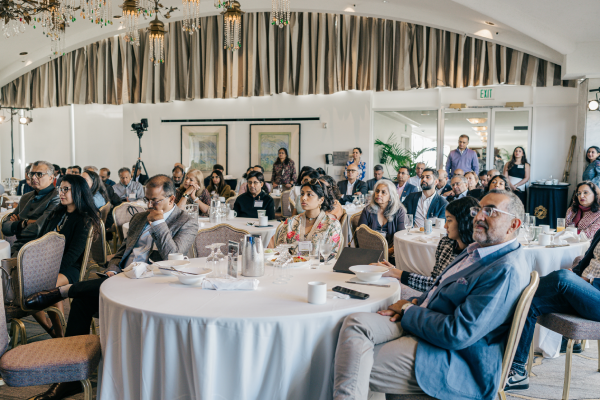
Inspiring Icons
Welcome to Indiaspora Inspiring Icons – a list of individuals from the Indian diaspora whose contributions we would like to highlight. Unlike other lists, this isn’t about rankings; it is a celebration of incredible individuals whose stories have inspired us while compiling our report on the Indian diaspora’s impact in the US.
From trailblazers in business and science to game-changers in culture and social impact, these icons embody the spirit of innovation and resilience. Our list is dynamic and ever-growing, with new profiles being added regularly. Dive in, explore their journeys, and get inspired by the outstanding contributions of these amazing individuals!
About
Lorem ipsum dolor sit amet, consectetur adipiscing elit. Ut elit tellus, luctus nec ullamcorper mattis, pulvinar dapibus leo.Lorem ipsum dolor sit amet, consectetur adipiscing elit. Ut elit tellus, luctus nec ullamcorper mattis, pulvinar dapibus leo.Lorem ipsum dolor sit amet, consectetur adipiscing elit. Ut elit tellus, luctus nec ullamcorper mattis, pulvinar dapibus leo.Lorem ipsum dolor sit amet, consectetur adipiscing elit. Ut elit tellus, luctus nec ullamcorper mattis, pulvinar dapibus leo.Lorem ipsum dolor sit amet, consectetur adipiscing elit. Ut elit tellus, luctus nec ullamcorper mattis, pulvinar dapibus leo.Lorem ipsum dolor sit amet, consectetur adipiscing elit. Ut elit tellus, luctus nec ullamcorper mattis, pulvinar dapibus leo.Lorem ipsum dolor sit amet, consectetur adipiscing elit. Ut elit tellus, luctus nec ullamcorper mattis, pulvinar dapibus leo.
Methodology
Lorem ipsum dolor sit amet, consectetur adipiscing elit. Ut elit tellus, luctus nec ullamcorper mattis, pulvinar dapibus leo.Lorem ipsum dolor sit amet, consectetur adipiscing elit. Ut elit tellus, luctus nec ullamcorper mattis, pulvinar dapibus leo.Lorem ipsum dolor sit amet, consectetur adipiscing elit. Ut elit tellus, luctus nec ullamcorper mattis, pulvinar dapibus leo.Lorem ipsum dolor sit amet, consectetur adipiscing elit. Ut elit tellus, luctus nec ullamcorper mattis, pulvinar dapibus leo.Lorem ipsum dolor sit amet, consectetur adipiscing elit. Ut elit tellus, luctus nec ullamcorper mattis, pulvinar dapibus leo.Lorem ipsum dolor sit amet, consectetur adipiscing elit. Ut elit tellus, luctus nec ullamcorper mattis, pulvinar dapibus leo.Lorem ipsum dolor sit amet, consectetur adipiscing elit. Ut elit tellus, luctus nec ullamcorper mattis, pulvinar dapibus leo.

Social Entrepreneur, President & CEO, Society for Science & Publisher, Science News
Maya Ajmera
On a hot summer day in 1990, Maya stepped off the train in Bhubaneshwar, India, and was immediately struck by a scene that would change her life. Amidst the chaos of the bustling station, she saw a teacher passionately instructing about 50 children at a makeshift train platform school. This poignant “moment of obligation” made her heart swell with a mix of inspiration and urgency. She found herself asking, why aren’t there more of these schools? How can they be made sustainable?
The encounter ignited a fervent passion for philanthropy, leading her to pivot from a career in medicine to championing global, community-based education initiatives. Inspired by this experience, Maya founded the Global Fund for Children (GFC) and led the organization for 18 years. Until now, GFC has invested nearly $60 million in over 1000 innovative community-based organizations, reaching 11 million children.
Today, Maya is a staunch advocate for accessible STEM education as the President & CEO of the Society for Science and Executive Publisher of Science News. Among her achievements at the Society, Maya secured a longstanding partnership with Regeneron, a top biotechnology company, to invest in the Society’s flagship competitions and programs. Additionally, she developed comprehensive outreach and equity initiatives that ensure every child can pursue science or engineering regardless of their circumstances or background.
The constant thread in my life has been about discovery, inclusion, and a commitment to young people everywhere.
Maya spent a lot of time reading, realizing she didn’t see herself or much diversity represented in children’s books. Determined to change this, she decided to self-publish her first book when publishers turned it down: “and the first check from this endeavor went to a train platform school!”
In 1993, I may have been one of the first South Asian individuals in the US to found a nonprofit of such grand scale. As a pioneer, my goal has always been to inspire both my generation and those that follow to engage in meaningful social impact work.
Maya acknowledges the challenges faced by the Indian diaspora, especially for women seeking to raise capital. She speaks about the “double whammy” of being both a woman and a woman of color. Her advice to young diaspora members? “When you are young, take risks, try things that are uncomfortable. Follow your heart, head, and intuition.”
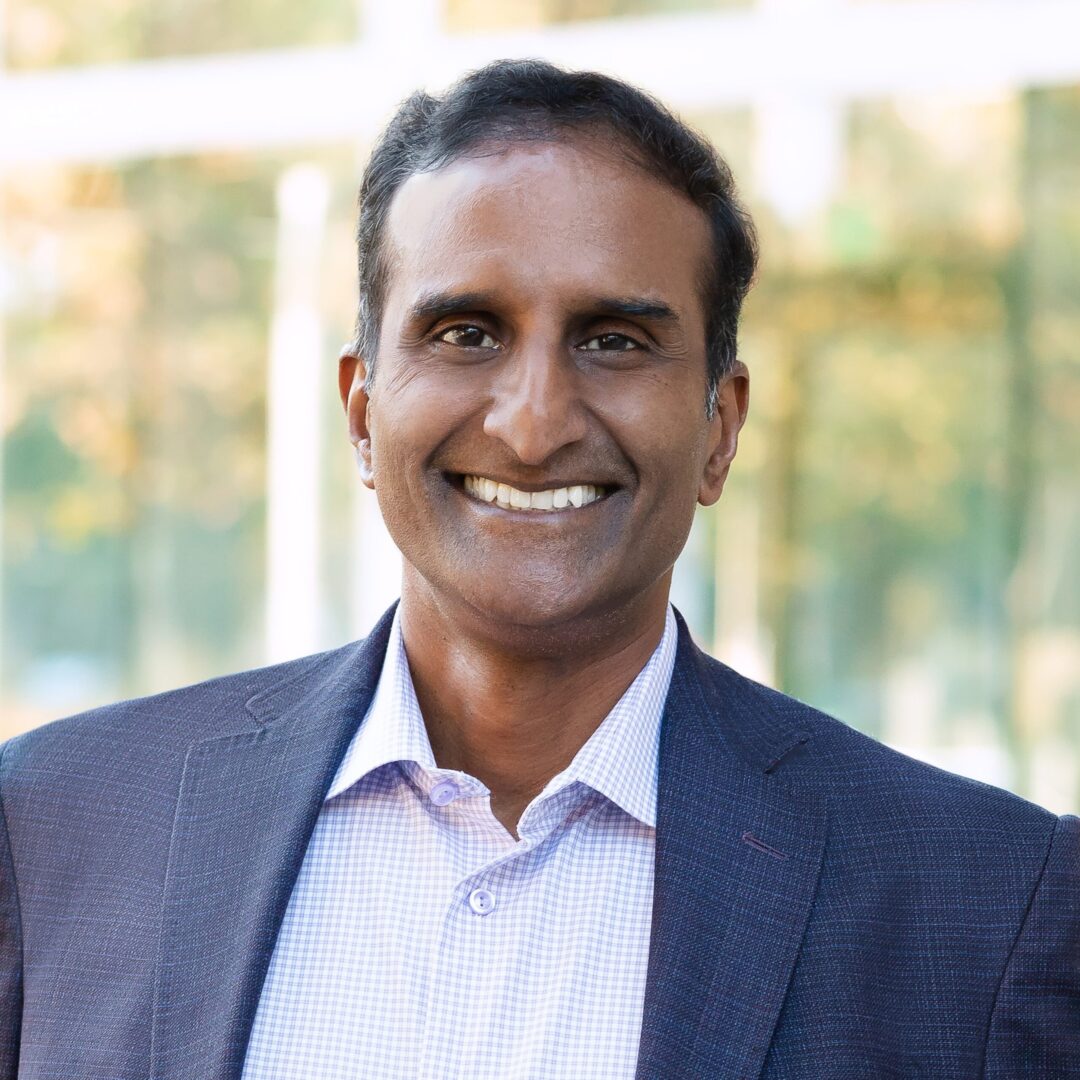
Former Commanding General Combined Joint Interagency Task Force
Balan Ayyar
The best way I would describe Balan Ayyar is driven, and very spiritual. His story is rooted in the ethos of his family that epitomizes the American dream through hard work and perseverance.
With a perspective profoundly influenced by his mother’s dedication to serving others, Balan stresses that the diaspora should be quantified and remembered for a legacy that goes beyond economic success. Balan, with his military career, whether in his role as a commanding general in Afghanistan or while coordinating disaster relief in Pakistan, epitomizes living with a deep sense of responsibility and a commitment to service.
In Washington, there aren’t any statues of billionaires but of people who’ve sacrificed tremendously to do something extraordinary for others.
Balan’s vision extends beyond personal and community achievements. He calls for the Indian diaspora to serve the less fortunate and sees great potential for Indian Americans to apply their cultural values to create a positive impact. This is driven by his belief that the greatest contributions stem from a willingness to serve and improve the broader community.
Balan’s message to the Indian diaspora is clear and inspiring:
By focusing on character and service and meaningful contributions to society, you can honor the legacy of this spiritually rich culture and help inspire the next generation towards a truly fulfilling life.
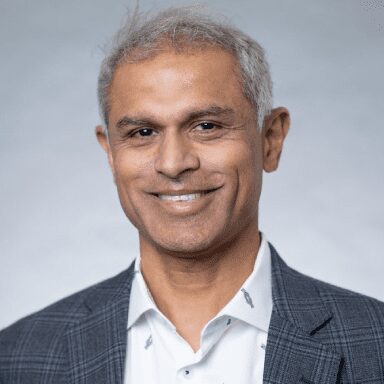
Co-founder and CTO, Cambridge Mobile Telematics; Fujitsu professor in EECS, MIT
Hari Balakrishnan
With a career that bridges pioneering research and successful entrepreneurship, Hari Balakrishnan showcases the dynamic potential of academic expertise.
Balakrishnan’s background is deeply rooted in academia. With both parents being physicists and researchers, his path seemed almost predestined. He emphasized the strong influence of his family on his career choices, noting his primary identity as a researcher.
His early interest in computer science led him to IIT Madras, where he first engaged in research. This initial exposure solidified his passion, eventually taking him to UC Berkeley for his PhD. At Berkeley, he made significant contributions to mobile computing and wireless networking, particularly with his work on TCP over wireless, which garnered the ACM dissertation award and laid the foundation for many modern wireless communication standards.
If you look back 100 years, nobody remembers how much money anyone made. They remember the scientists and engineers who made a big impact. If you want to have a legacy, it’s about the impact of the work you do.
Balakrishnan’s entrepreneurial spirit was sparked by practical problems he encountered. One notable project was the “Pothole Patrol,” where he and his team used sensor data from taxis to map road conditions in Boston. This project not only showcased the potential of mobile sensing but also inspired him to explore commercial applications, leading to the founding of Cambridge Mobile Telematics (CMT) in 2010. Today, CMT is a leading telematics provider, leveraging mobile data to enhance road safety globally.
Balakrishnan’s story is a testament to the symbiotic relationship between academia and entrepreneurship, and his work continues to inspire a new generation of researchers and entrepreneurs.

Founder & CEO of Malai
Pooja Bavishi
Pooja Bavishi always knew she’d have a dessert business. She loved hospitality and the feeling of watching her parents welcome guests into their home with generosity; she equated that warmth with being Indian, and equated desserts with hospitality itself. “You will always make someone happy when you give them a dessert,” she says. Long before Malai existed, Pooja was the friend who made everyone’s birthday cake, hosted cookie swaps, and eventually ran a side business called Sweets by Pooja out of her home kitchen all while building a career she loved in fair housing and civil rights work.
Growing up, she worked hard to stay connected to her heritage. “I was hyper-aware of my identity, and I was always really proud of my Indian heritage, always really curious about it,” she says. She found access however she could: through her mother’s cooking, through trips to India, and through Bollywood movie nights with her non-Indian friends. Bringing people into her culture became second nature and is woven into the success of Malai.
Founded in 2015 after Pooja graduated from NYU’s Stern School of Business, Malai has grown from a home kitchen operation into four scoop shops across Brooklyn, Washington, D.C., Philadelphia, and Manhattan, alongside a nationwide wholesale and e-commerce business. Betting on Malai was an easy decision.
Decisions are just decisions, she says. “You made the decision that you thought was best at that moment. And nothing is forever; if it doesn’t work out, you do something else.” Her advice to anyone considering a leap: “Bet on yourself. You can’t wait for the perfect scenario to start anything. That doesn’t exist.”
Looking ahead, Pooja is eyeing new markets for Malai’s scoop shops. Her bigger vision extends past U.S. borders altogether: she wants Malai to become a worldwide brand, which means continuing to shift how mainstream palates think about flavor.
Her parents, who are entrepreneurs themselves, were an early influence. Pooja also has a mentor from Malai’s earliest days who still sits on Malai’s advisory board more than a decade later. What hasn’t changed in eleven years is where every flavor begins: her own KitchenAid, in her home kitchen, the same way she developed her very first recipes. She still conceptualizes every recipe herself, and inspiration tends to arrive unannounced: from a smell, a dish at a restaurant, a memory. “Malai is authentic to me,” she says. “The flavors are coming from my mind, my memories, my nostalgia.” That founder-driven authenticity, she believes, is exactly what customers connect with.
Pooja is emphatic that Malai isn’t a niche product, it’s an American one.
Our goal has been to argue that these flavors are as mainstream as everything else. It’s really about redefining what American flavor is and who gets to define it,” she says. “Malai is not meant to be the best Indian ice cream out there. It’s meant to be the best ice cream out there.
Looking ahead, Pooja is eyeing new markets for Malai’s scoop shops. Her bigger vision extends past U.S. borders altogether: she wants Malai to become a worldwide brand, which means continuing to shift how mainstream palates think about flavor.
At the center of it all is something simple. “Food is meant to be shared,” Pooja says. “It’s meant to bring happiness and joy, and I think that’s what Malai is doing.” Pooja Bavishi’s journey is proof that you can hold onto more than one dream, bet on yourself without waiting for certainty, and bring everyone along with you, one scoop at a time.
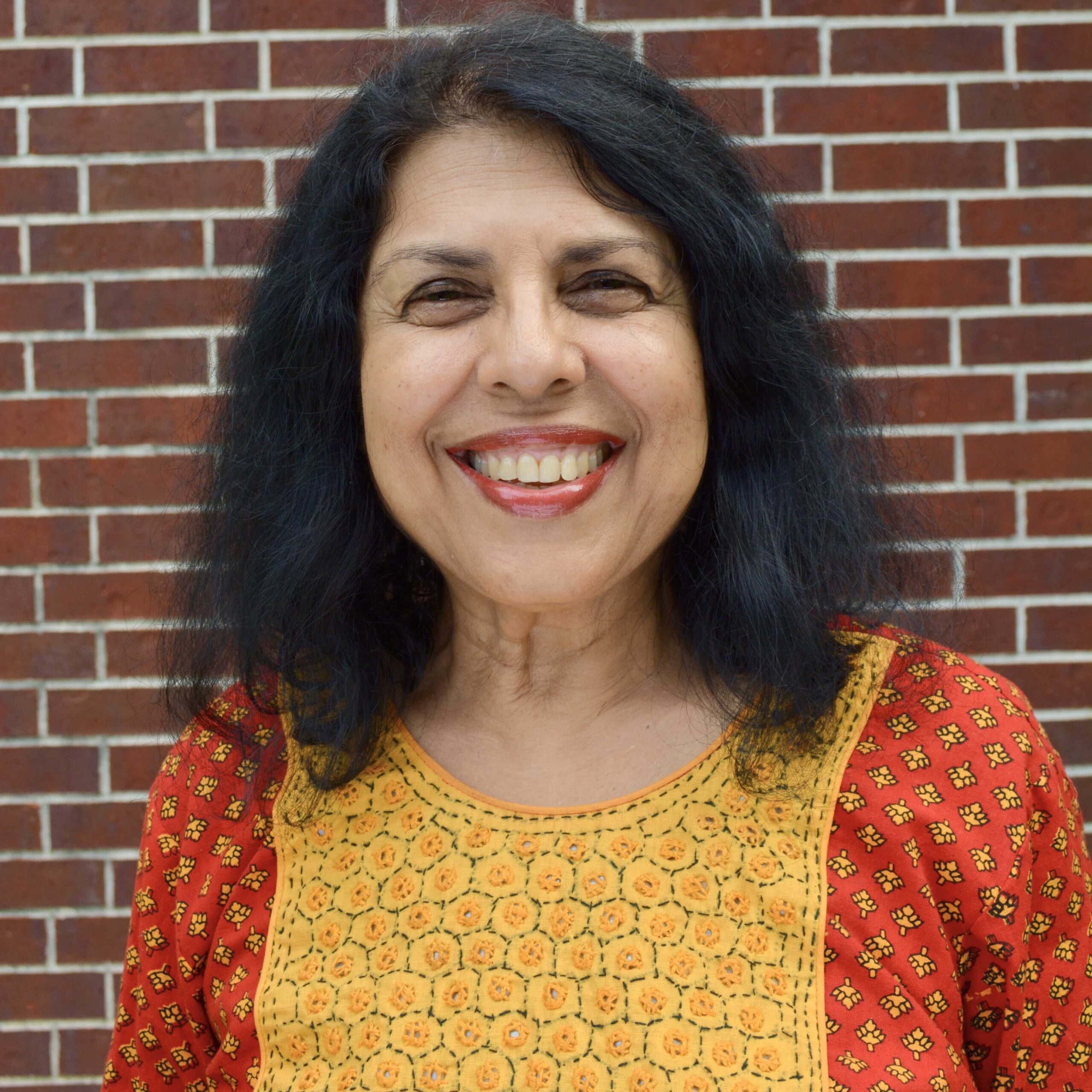
Award-winning author, poet, activist and teacher
Chitra Banerjee Divakaruni
Chitra Banerjee Divakaruni’s books span centuries and geographies: from contemporary India and the Indian immigrant experience to Indian history, mythology, and epic. Growing up in a household that loved stories, she was shaped early on by the storytellers in her family, especially her mother and maternal grandfather, who shared with her the tales of Indian mythology and history. Because so many of those stories centered men, Divakaruni made it her mission as a writer to spotlight women characters and women narrators.
That commitment to women’s voices runs just as deeply through her activism as it does through her fiction. While pursuing her PhD at Berkeley, Divakaruni began working with the university’s Women’s Center alongside survivors of partner violence. That work led her to co-found Maitri in the San Francisco Bay Area, an organization that supports South Asian families facing domestic violence, emotional abuse, cultural alienation, and family conflict. She and her co-founders recognized a critical gap: while mainstream organizations offered legal, medical, financial, and counseling support to survivors, few if any could serve South Asian immigrant women across the cultural and language barriers they faced. Since moving to Houston, she has continued this work on the Advisory Board of Daya, a sister organization serving the same need locally. She also serves on the National Advisory Board of Akshaya Patra and has long supported Pratham’s education work. For Divakaruni, storytelling and activism are inseparable: women’s empowerment is not only a recurring theme in her books, but also a cause she has spent decades advancing in practice.
Her path to this point was not an easy one. Divakaruni came to the United States at 19 to attend college and had to support herself through school all on her own. She worked a string of low-paying jobs and continued working night jobs even after classes began, including as editor of her college magazine. Some nights, too exhausted and too late to safely walk home, she simply slept on the office couch. It was a formative lesson in perseverance that she credits with teaching her how to work hard, push herself, and trust that she could get the job done- a lesson she says she first learned by watching her mother, a teacher who could not afford to give her gifts but gave her an excellent education instead, and who taught her that a woman needed to stand on her own feet and secure her own economic independence.
That same discipline shows up today in a part of her craft that readers rarely see: the extensive editing, rewriting, and polishing behind every book. Her cultural heritage and background, she says, are central to both her authenticity and her authority as a writer: they allow her to go deeper into her subjects than someone without that lived knowledge could, and to critique her own culture as an insider when the story calls for it.
Looking ahead, Divakaruni is candid about the changes reshaping her field. She sees artificial intelligence already influencing commercial fiction, even as she remains convinced that literary work will always require the human brain, human empathy, and the human artistic touch. As a custodian of both ancient Indian epics and contemporary diaspora voices, she continues to use that pull to connect the diaspora to its heritage and to introduce new audiences to stories that challenge male-dominated narratives and center women instead.
That work continues. Divakaruni is working on a new project:
“I am writing a different kind of novel, a fantasy adventure based on the folk literature of Bengal, where I come from, set in a dystopian world. I am quite excited about this and hope that it will reach readers of many backgrounds and age groups. It has—as you might expect—two heroines. Double trouble!”
Her books amplify the stories of women too often left out of the narrative; her advocacy has built lasting infrastructure for women who needed it most. Through decades of storytelling and service, Chitra Divakaruni has built a body of work that reflects the values Indiaspora seeks to celebrate: a diaspora that carries its heritage forward while using its voice and resources to lift others up.
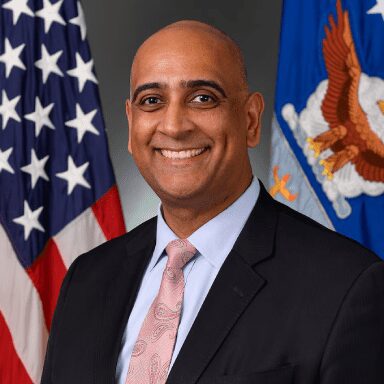
Assistant Secretary of the Air Force for Energy, Installations, and Environment
Dr. Ravi I. Chaudhary
It was a nice warm day in Washington DC, as I met Dr. Ravi Chaudhary at his office in the Pentagon. He welcomed me to his office with energy and passion, captured the space, and proceeded to ignite it to make it full of life. He drew me into his remarkable journey in life from the heartland of Minnesota to the heights of the United States Air Force, living the American dream through his dedication to the nation. Dr. Chaudhary has paved a path of service. He’s unbounded. He’s bold. He’s a patriot.
Born and raised in Minnesota, his story is deeply rooted in his Indian heritage and the values instilled by his family. His grandfather, a veteran of the Indian Army, gifted him a 75mm shell upon his graduation from the Air Force Academy, sparking Ravi’s passion for service. His father’s tenure at the U.S. Department of Agriculture and his mother’s nonprofit work in Minnesota, providing food and healthcare to over 2,000 seniors, weaves the fabric of service at the Chaudhary household. An innate drive to excel, combined with the strong service ethic imparted by his parents, led him to shine academically at the Academy and eventually lead complex engineering tasks with GPS satellites before becoming a pilot.
Dr. Chaudhary’s career in the Air Force is distinguished by his versatility and dedication. Graduating from pilot training just after 9/11, his first mission was a baptism by fire—a combat mission in southwest Asia after departing from Charleston Air Force Base. His impact extends beyond the military through public service. Earning a doctorate and mentoring diverse officers, he honors the legacy of Asians in the military by telling the story of individuals like Sabu Dastagir, a trailblazer who received the Distinguished Flying Cross during World War II. His daughter, following in his footsteps, is continuing the family’s legacy with plans of being an Air Force pilot herself, while his son is a software engineer in the defense industry.
Follow your Dharma with a pursuit to achieve the fullness of the self. With utmost gratefulness, I am living a dream every day.
His principles of integrity, service, and excellence, the Air Force’s core values, are deeply rooted in his upbringing and guide him in senior decision-making at the Pentagon. He is inspired by the wisdom of the Bhagavad Gita, and his mother who once told him: “If you do your full duty, the rest will take care of itself.” His journey demonstrates that true fulfilment transcends economic success, embodying a spirit of service and dedication to making a difference.
His life and work are a bridge between his Indian roots and the American dream, illustrating that with perseverance and determination, one can honor their heritage while soaring to new heights.
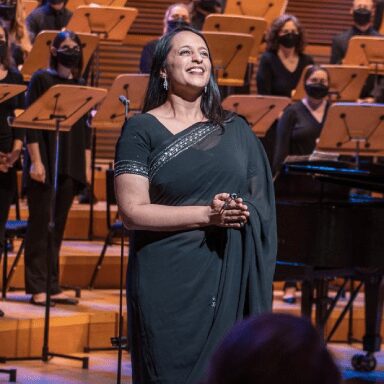
Composer, Artistic Director at Shastra
Reena Esmail
She moves with a lightness in a heavy world – bold, playful, self-aware. Growing up in vibrant Los Angeles, inspired by her multi-cultural heritage, Reena always knew her true calling was composing. At Juilliard, one of just a few chosen from 180 to 200 applicants, she studied Western music to become a composer. A trip to India at 22 deepened her connection with Indian music, merging Western harmonies with Hindustani linearity.
Reena stands proud, very aware that she has chosen the road less travelled, but with a twinkle in her eye that suggests that it was worth it. She recalled a moving performance in rural Iowa where a student choir sang a “Tarana” she had composed — the first time many of them had sung, or even heard, Indian classical music! Her composition “This Love Between Us” blends choir, orchestra, sitar, and tabla, celebrating global cultures.
I started exploring Indian classical music because I realized if I continued with western classical music, I would be completely divorced from my own culture as I grew up.
She does not intend to limit herself to composing. Reena’s impact extends well beyond the stage, revitalizing the artistic legacy of Indian culture. Through her nonprofit Shastra, she transforms how young musicians learn, infusing training with a global musical palette and nurturing culturally aware artists.
As Indian Americans, we are inherently innovative & adept at creating hybrid cultural identities. It’s inspiring to see younger generations already embracing and finding their paths in these blended worlds.
Reena encourages parents to broaden their children’s cultural experiences, through attending performances and developing a creative practice. She has seen that young people who pursue a creative discipline alongside more standard academics are poised for the greatest success in our evolving economy.
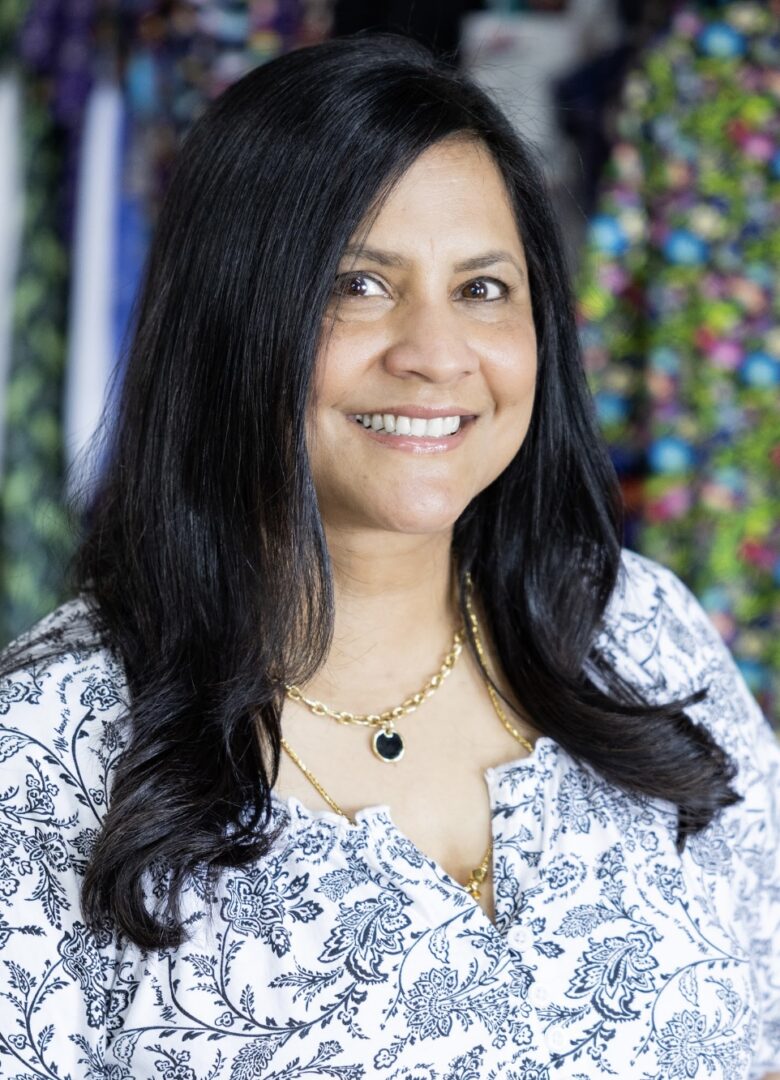
Founder & CEO Svaha USA Inc.
Jaya Halapete-Iyer
In just twenty minutes—a brief encounter punctuated by the exchange of a single photo of my daughter in her dinosaur tee—I grasped the profound impact of Jaya Halapete-Iyer’s enterprise, Svaha USA. It was then that Jaya shared, “The moment I realized my daughter could not find a shirt that celebrated her dream of being an astronaut was the moment I knew something had to change.”
Launched in 2015, Svaha USA sprang from Jaya’s resolve to fill a void in the children’s clothing market, offering designs that celebrate and encourage girls’ interests in science and technology. With a vision as clear as it was compelling, Jaya set out to “empower and inspire young minds by integrating fun, educational themes into high-quality clothes.” This mission resonated immediately, birthing a clothing line that imbues young wardrobes with authentic STEAM concepts.
Jaya’s designs do more than clothe; they converse. “Our designs are conversation starters,” she notes, catalyzing dialogues about the cosmos, wildlife, and technology in place of the usual playground banter. This transformative approach redirects youthful curiosity towards discovery and learning at a critical stage in cognitive development.
The expansion into adult clothing has further amplified her impact, particularly among educators who don the attire. “Seeing educators passionate about their subjects, dressed in our designs, has a powerful effect on students. It makes learning feel more accessible and exciting,” Jaya remarks. This enthusiasm is contagious, inspiring students and affirming the importance of passionate teaching.
The feedback from her young customers and their parents further fuels her drive. Jaya recounts, “Hearing that our clothes make a child feel like a scientist, an engineer, or even an astronaut is incredibly affirming.” Such testimonials underscore the tangible impact of Svaha USA’s approach—melding educational content with fashionable design to spark young imaginations.
Reflecting on the broader implications of her work, Jaya asserts, “We’re not just creating clothes; we’re crafting the future, stitch by stitch, encouraging kids to dream big and aim high.” Her brand isn’t merely a line of apparel—it’s a beacon of innovation in both fashion and education. By weaving educational content seamlessly into stylish, practical clothing, Jaya enables children to explore STEAM subjects from a young age, preparing them to envision themselves in any role they dare to dream.
Watching my daughter spin in her constellation dress, the power of clothing as a catalyst for inspiration is undeniable. In Jaya Halapete-Iyer, we find not just a designer but a visionary, stitching possibilities, and aspirations into the very fabric of our children’s futures.
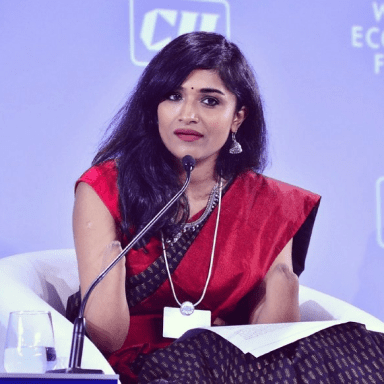
Motivational speaker, Disability rights activist
Dr. Malvika Iyer
Dr. Malvika Iyer’s story is one about grit, resilience and a fight against all that was considered impossible. Her words resounded in my memory for days after I spoke with her.
A bomb blast survivor and disability rights activist, Malvika’s journey is a testament to turning personal tragedy into a platform for change. After losing both her hands and severely injuring her legs, resulting in nerve paralysis, Malvika faced the daunting challenge of relearning basic life skills. Despite these immense obstacles, she excelled academically and gained international recognition, proving that a perfect body isn’t necessary to succeed.
No matter what anyone said, my mother never left my side or made me feel less because of my disability. With her help, my spirit and confidence grew. You don’t need a perfect body to succeed in life!
Engaging with the diaspora, Malvika faced challenges and found robust support, progressively building a network that amplified her influence. Through Indiaspora and other US speaking engagements, she connected with leaders and communities, strengthening her advocacy efforts.
Malvika is globally recognized, with accolades like an award from former Indian President Dr. Kalam and a standing ovation at the UN in New York. She co-chaired the World Economic Forum IES and has given TEDx talks. She is a DEI champion and a model for inclusive fashion.
Representation is crucial in my advocacy. In my talks, I discuss the need to confront and dismantle unconscious biases. Since my accident 22 years ago, I’ve seen significant changes; 300+ media outlets now explore other aspects of my identity, reflecting a positive shift in perception.
Malvika’s story goes beyond overcoming adversity. Her experiences promote inclusivity and meaningful contributions regardless of disabilities, turning life’s challenges into opportunities for profound impact.
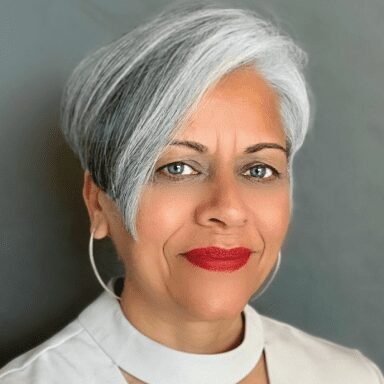
Bestselling Author
Alka Joshi
Alka’s storytelling stems from a yearning to uncover the various facets of India that have been invisible to the global community, and highlighting the many contributions India has made to the world.
Alka’s experiences as a young immigrant profoundly shaped and are reflected in her work.
As a child, she faced bewildering questions about India to which she had no answers. Her encounters with the mostly negative Western perception of India planted the seeds for her future work, where she sought to bridge the gap between these misconceptions and the rich, complex reality of Indian life. Her novels, set in post-colonial India, depict the country’s efforts to rebuild and redefine itself, with a riveting focus on the individual.
My characters are real people, living real lives, dealing with the aftermath of colonialism.
Her books strive to be authentic, drawn from her family history and extensive research. She vividly captures the sensory experience that is India, “from the bustling streets of Jaipur to the tranquil beauty of Shimla.”
Alka’s journey from advertising executive to becoming a bestselling author is a testament to following your passion and bringing a vision to reality. Her work seeks to entertain and enlighten, offering a three-dimensional view of India to a global audience. It is a shining example of how one can honor their heritage while forging a path that is uniquely their own.
Reflecting on her literary journey, Alka shares a powerful message with aspiring writers:
Do the work, be open to learning, and always seek out opportunities to expand your horizons.

Performer | Educator | Reformer
Mahesh Kale
During my interaction with Mahesh, his connection to his heritage and the profound impact it has had on his life was immediately evident.
My mother encouraged me to use music to refresh and de-stress even during the crucial years of my education which allowed me to excel both academically and musically.
Music has been a way of life for Mahesh; he compares it to Yoga in what it means for him personally. Despite his move to the US for education in engineering and management, he continues his musical pursuits. At UC Santa Barbara, an opportunity to deliver a lecture in a world music program eventually led him to start the Mahesh Kale School of Music, which now has 1,500 students across 25 countries.
During our conversation, Mahesh enthusiastically dives into the heterogeneity of the Indian diaspora and what that means for his performances. From fusing Indian classical music with jazz at Stanford to working with diverse artists globally, Mahesh embodies the adaptability ingrained in Indian culture.
Mahesh’s brilliance as a performer is evident in his widespread appeal among the youth. He is a true reformer of Indian Classical Music, taking it globally and making it accessible to a broader audience. His dynamic stage presence and innovative performances have captivated audiences not only in India but around the world.
Performing classical pieces devoid of words, it connects with people across demographics.
He highlights the joy of merging different musical traditions as a way of creating happiness. His journey exemplifies the harmonious blend of tradition and innovation, creating a timeless impact on the world of music. Reflecting on the changing landscape for young musicians, Mahesh observes a positive shift in the interest toward music, away from the stereotypical paths of engineering and medicine. His performances and teachings have become a bridge between cultures, connecting the Indian diaspora and broader audiences worldwide to the rich world of Indian classical music in all its splendor.
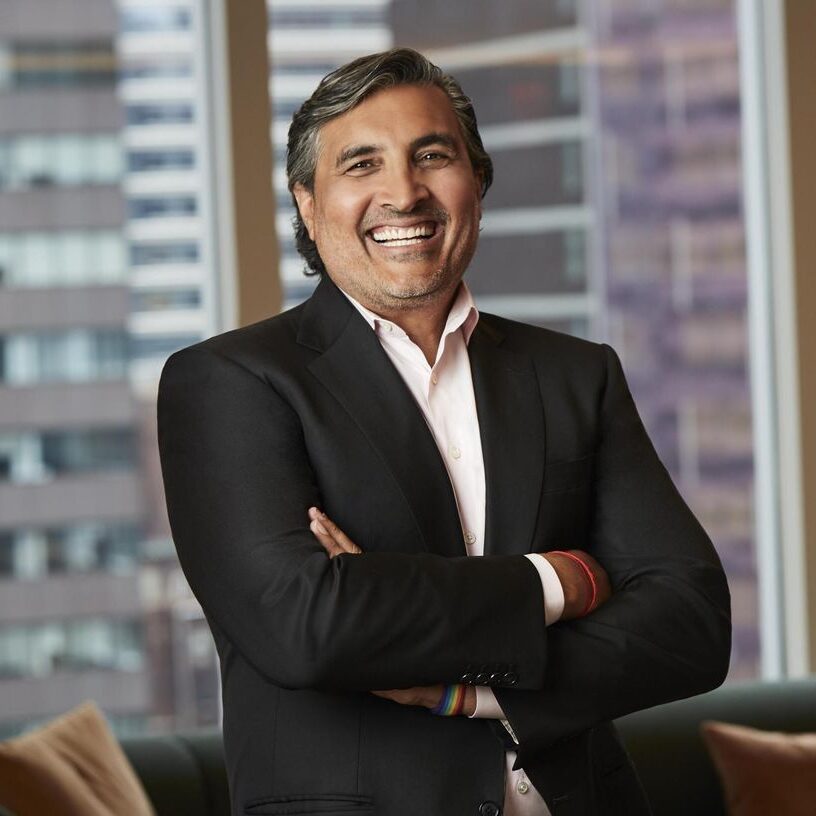
Co-CEO, BentallGreenOak (BGO)
Sonny Kalsi
Sonny Kalsi’s journey from Wall Street to philanthropy has struck me as profoundly inspiring. His professional trajectory began on Wall Street where he worked for 19 years. After that, Sonny co-founded a real estate firm that embraced social impact. His philanthropic journey is deeply rooted in his personal experiences and values. His experience as a young volunteer working with the Special Olympics in New York, exposed him to stark inequalities and fueled his commitment to giving back.
Having seen firsthand the crucial impact his father’s degree had on securing the family’s future, Kalsi believes education to be the greatest equalizer, and his philanthropic giving focuses primarily on education-related causes.
“Eighty percent of our philanthropic giving is to education-related causes. My father came to this country with $200 but had a PhD. Education was the key that unlocked opportunities for him and for us.”
Sonny’s major philanthropic endeavors include Room to Read, Teaching Matters, Georgetown University, and the PREA foundation. These ventures help fund the education for underserved areas (people of color, women, and other minorities). He believes in not just creating and funding organizations but measuring their impact with tangible outcomes.
Sonny Kalsi that the Indian diaspora is relatively young in the US and is gradually playing a bigger role in philanthropy. At the end of our chat, he says goodbye with an ever so true fact – we always need more people involved in the ‘doing’ and not the ‘giving’, so find the best way you can make a difference to the world.
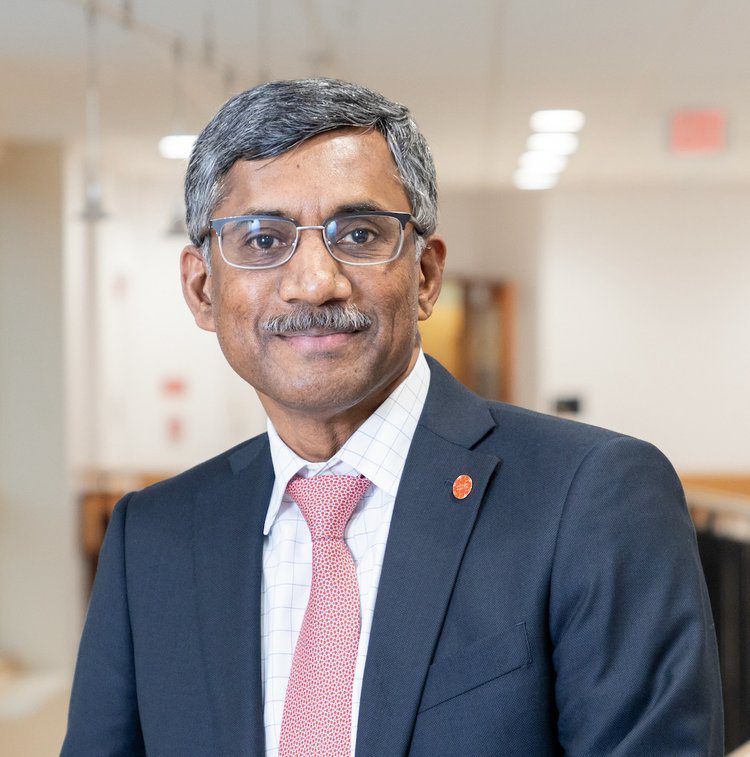
Dean of Robert H. Smith School of Business, The University of Maryland
Prabhudev Konana
An exalted, exemplary, and celebrated educationist, what strikes you about Prabhudev Konana once you talk to him is that there are so many facets to his personality beyond what meets the eye. The causes he champions are deeply personal and closely associated with his life experiences.
His entry into academia was unplanned, sparked by a personal crisis during his MBA when his wife had a very difficult and stressful pregnancy. This challenge shifted him towards a PhD, showing how life’s surprises can lead to fruitful paths.
“Life presents certain circumstances beyond your control… For me, I adapted very quickly. That’s the way it was. It was not planned.”
Prabhudev’s journey took him from teaching in UT Austin’s MBA program for over a decade to becoming the Dean at Maryland. He is passionate about blending academic theory with practical applications, preparing students for real-world challenges.
At Maryland Smith, Prabhudev transforms education by enhancing curricula, championing diversity, building international relationships, and mentoring future academics. His work reaches globally, demonstrating the expansive influence of educational innovation.
Beyond academia, Prabhudev invests in social change through Pragathi, his nonprofit aimed at enhancing education in India. He views education as crucial for community development, especially for uplifting the overlooked.
“We need to engage actively at every level, from politics and education to local community efforts. It’s vital to challenge our existing biases as we do this. We’re beginning to see this engagement, and it’s essential.”
Prabhudev’s dedication to education and social change, influenced by his personal experiences, demonstrates how challenges can shape impactful leaders. His story shows how one person can make a meaningful impact on both local and global communities.
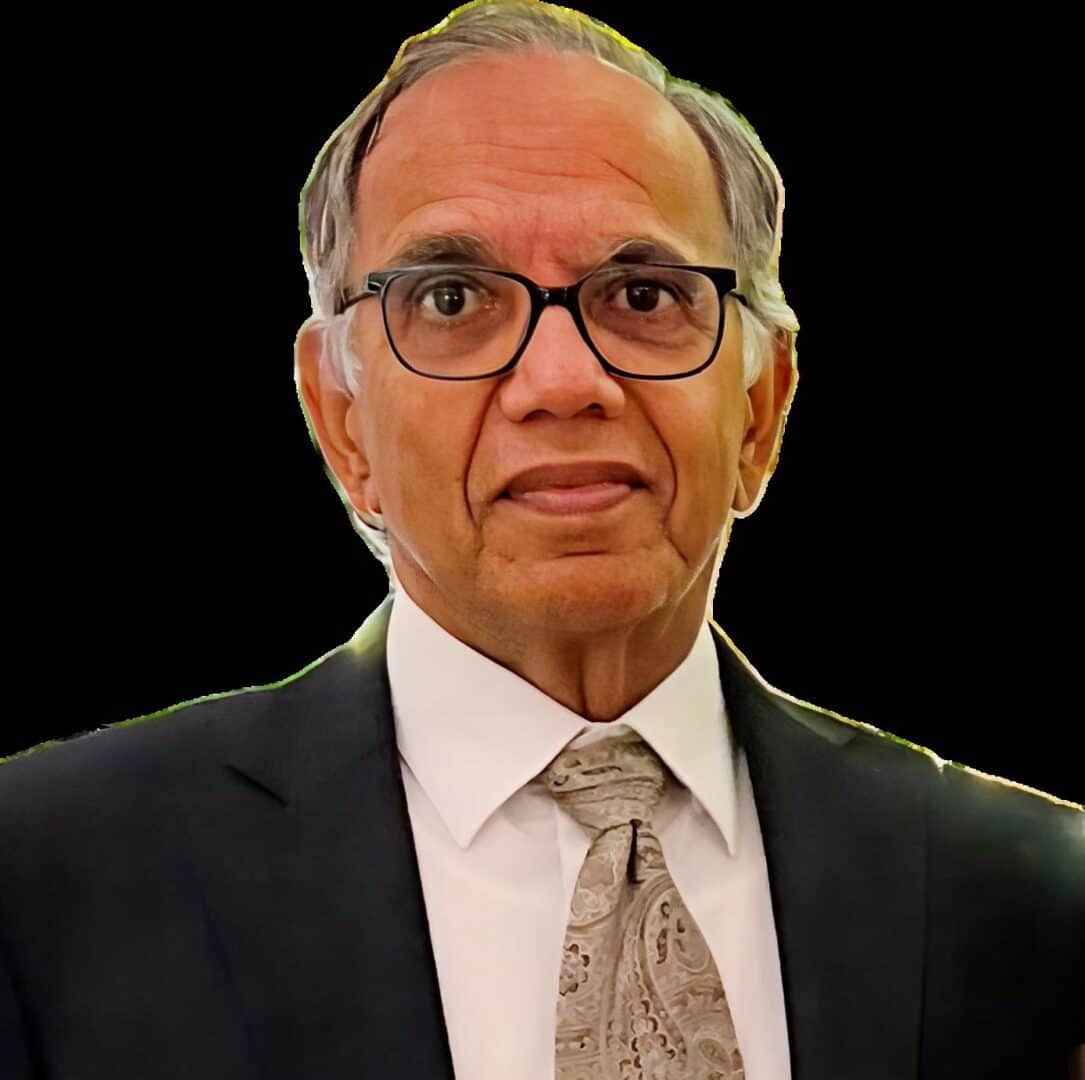
Retired Obstetrician Gynecologist
Dr. Kailash Makhija
Dr. Makhija’s journey began in the suburbs of Mumbai in the mid-70s when the US sought to attract doctors from around the world. He took the ECFMG exams on a whim, not knowing that this impulsive decision would change the course of his life. When the results came out, and he had passed, he saw it as a sign and decided to apply for a Visa to come to the US.
At that time, you needed a sponsorship letter or $700 in your bank account to have your visa approved. Dr. Makhija had neither. As luck and timing would have it, he met up with a colleague who knew someone in the United States; they agreed that as long as he figured his way out once he got to the States, they would provide him with a sponsorship letter.
Once he got to the States, the journey began. With $25 in his pocket, Dr. Makhija arrived in NYC in November and waited almost six months, working in a garment packaging warehouse, before being accepted into a residency program.
“The perks of the job was we could use their phones. To make phone calls to apply for residencies.”
After successfully completing his residency, Dr. Makhija’s senior resident offered him a private practice in Carbon County, a rural part of Pennsylvania with a population of 50,000. Little did he know that the practice was mostly Medicare patients, and he and his fellow doctors would only get $9 per visit! But that didn’t stop him from giving his all, working long hours, and often dealing with challenging cases.
“When I used to have patients come in for labor, I used to labor with them.”
This hard work and dedication helped him build his reputation in a predominantly White county, where he and one other doctor were the only doctors of color.
“You had to prove yourself that you knew what you were doing. I started to dedicate myself to the people and help people.” Dr. Makhija recalls, reflecting on his commitment to his patients and the community.
His dedication to the community, continuous learning, and expansion of knowledge to be the best physician for his patients led to Dr. Makhija’s caring reputation. His commitment to his patients, his willingness to learn and adapt, and his perseverance in the face of challenges have made him a beloved figure in his community.

Skin care influencer, CEO of Live Tinted
Deepica Mutyala
Fueled by an incredible level of passion, ambition, and drive, Deepica Mutyala launched Live Tinted, a line of beauty products. Raised in Sugarland, Texas, Deepica’s journey from a business graduate to a beauty mogul is truly inspiring.
“My brand is a full love child of my upbringing,” Deepica says, reflecting on her experiences as an Indian-American woman. On the coattails of a viral YouTube video in 2015, she started Live Tinted in 2018. The brand’s first product was launched in 2019 and was an instant hit!
“The whole concept of Live Tinted was, how can I change the beauty industry for the next generation of young girls, specifically brown girls?”
Deepica’s journey goes beyond filling a market gap; it’s about personal experiences and challenges. Growing up as an Indian-American, she often felt caught between two worlds. “I was never Indian enough, or American enough,” she shares. This duality inspired her mission to represent brown girls and create a space where everyone feels seen.
“When my video went viral, I quit my job to start the company. I had this (almost) delusional level of self-belief,” she recalls. With unwavering support from her family, she navigated the challenges of building her brand. Beyond her business, Deepica challenges colorism and promotes positive self-image. Her journey is about more than beauty products; it’s about breaking barriers and creating a space where everyone feels represented.
Deepica encourages the diaspora to tangibly support young entrepreneurs succeed in their chosen path. Her advice to young entrepreneurs, especially women of color, is clear:
“I hope seeing me win helps other people see that they can win too. Its still going to be a hard journey and you need an incredible work ethic to succeed.”
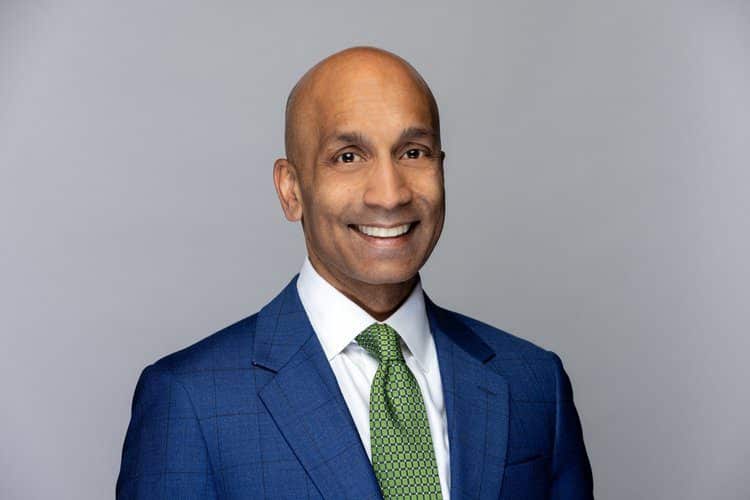
1st Indian-origin Spelling Bee winner
Balu Natarajan
Spend a day (I have spent many) with Dr. Balu Natarajan, and you’ll quickly realize he’s impossible to pin down. Is he an active clinician or a healthcare administrator? Indian or American? Into ELA or STEM? For-profit or non-profit? To all of these, he’d just say “yes.”
Balu, who grew up and lives in Chicago, truly inspires by his commitment to “Dharma”, the moral and ethical responsibilities an individual should follow according to Hinduism. He credits it for his personal growth and achievements.
At 13, Balu made history by winning the Scripps National Spelling Bee in 1985, becoming the first Indian American to do so. His victory paved the way for other Indian Americans, who have dominated the competition ever since. His own sons, Atman and Advaith, have competed on the national stage too. Balu’s win, a big deal for the Indian American community, blazed the trail. What a legacy!
That was only the beginning. He invests and follows through on his commitment to the Indian American community. He’s driven. He’s passionate. He gets it done. Over the past 35 years, he’s founded or led next generation groups at the Hindu Temple of Greater Chicago, the American Association of Physicians from India’s Students and Residents Section, and the North South Foundation.
In his volunteer role as CEO of the North South Foundation, he mentors top students and funds education for underserved kids in both India and the U.S. He expects not just educational excellence but also empathy and social entrepreneurship.
“We always get back more than we give. Let’s teach our kids that early on,” he says.
Angela Duckworth’s talks on grit and spelling bees perfectly describe Balu. Now in his 50s, he runs faster than he did in his 20s, showing that we can keep getting better with age.
“My wife Meenakshi and I meditate together consistently,” he says. “Work hard, play hard, pray hard, and give back. That’s the best way I know to keep everything in balance. Life as an Indian American has been great in these United States.”
He continues an amazing journey, and we are all left with the question: What’s next, Balu?
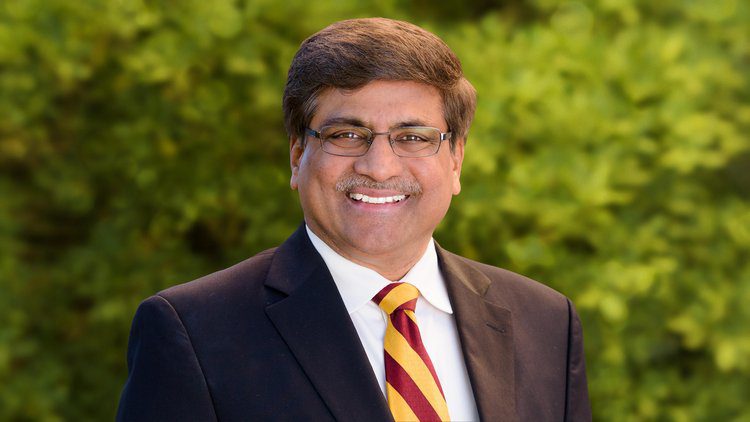
15th Director of National Science Foundation (NSF)
Dr. Sethuraman Panchanathan
When I met Dr. Sethuraman Panchanathan, I was floored by his humility. He stands out not just as a scholar, but also as a transformative force in the scientific community. His is a journey of profound curiosity, kindled by visits to science exhibits and inspirational figures.
Dr. Panchanathan has pioneered accessible technologies for visually impaired individuals, embodying his belief that innovation thrives on diversity and inclusivity. His singular focus on innovation transformed Arizona’s technological landscape into a hub of innovation.
And it doesn’t stop there. Dr. Panchanathan, during his tenure at the NSF and the National Science Board, has fostered an environment where innovation intersects with practicality. He has ensured that the NSF’s policy addresses the needs of the scientific community and emphasizes sustainable growth. Underpinning all this is his steadfast philosophy of supporting minority and female scientists.
“By providing opportunities to all, we can unlock incredible potential across America.”
Where does this zeal come from? In his own words, it is rooted in an ethos of “giving more than taking”. He embodies the true purpose of research: to advance knowledge that profoundly serves humanity.
“For me, science is about understanding the universe and the world around us through inspiring discoveries, cultivating ideas, innovating with impact and making it more inclusive by harnessing every ounce of talent across our nation.”
Dr. Panchanathan’s story reminds us of the true measure of success – a tangible impact on society, not accolades. As he champions the cause of inclusivity and innovation, his vision and leadership will continue transforming lives and communities for generations to come.

Homemaker and Artist
Heena Pari
I would describe Heena Pari as a reflective, self-aware, passionate, and kind person. A multifaceted individual Heena is a homemaker, an artist, a creative consultant and a New Yorker.
Growing up in a conservative Gujarati family in Mumbai, Heena was coaxed to choose the conventional educational path for a secure career. A chance encounter with a charcoal drawing class during her early college years, made her realize her love for the fine arts. But breaking traditional molds is never easy so the desire to pursue art was kept on hold.
After marriage and a move to Bangalore, she decided to pursue her desire of studying the fine arts. The support of her husband and in-laws proved invaluable while juggling college life, home and motherhood. She completed her degree while caring for her growing daughter and supporting her entrepreneur husband. She started her artistic practice from her home studio, working with the local art community and slowly established herself as an artist with a multidisciplinary practice of drawing, painting, video art, digital art and installation.
The year 2022 marked a new chapter in her life, she moved to the United States. The transition from Bangalore to NYC was overwhelming, but Heena persevered, finding strength in her art. “Art helps me navigate life and my emotions,” she explains.
She continuous to draw support from local New Yorkers, the Indian diaspora and a growing network of South Asian/ other immigrant artists as she settles into her life in New York.
When quizzed on what’s next for her, Heena says –
“I strongly believe art needs to be more accessible and available to the public, because it is a very important aspect of life. My vision is to create a dynamic working space for Indian artists that engages with the community at large. This move to NYC is giving me a platform to dream big and bring visibility for contemporary artistic practices from India.”
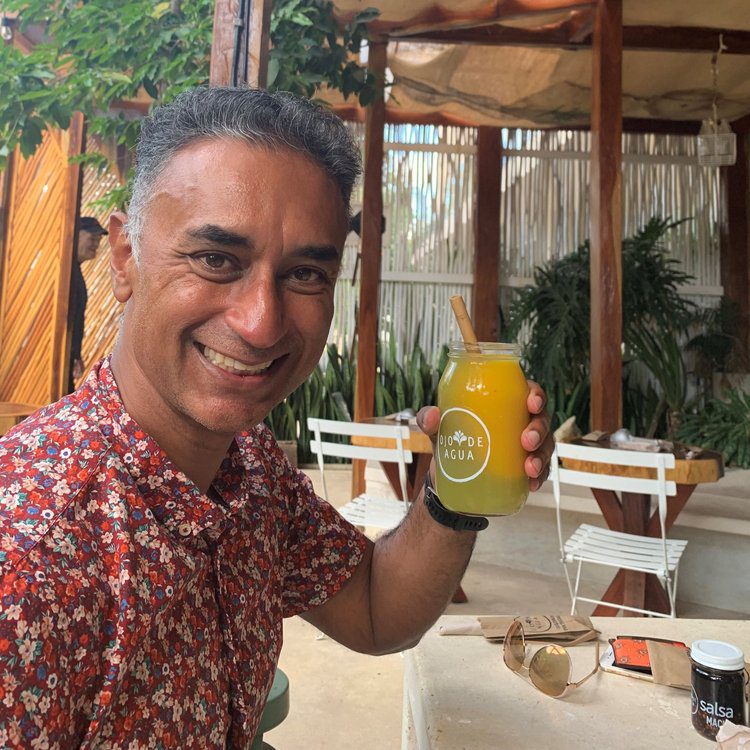
Founder, Priya Living
Arun Paul
Arun’s connection to his heritage, its depth, and its impact on him was evident at the very outset of our first meeting. Raised in the U.S. by first-generation Indian immigrants, Arun’s childhood was steeped in the traditions and emotional ties of his parents’ homeland. It proved to be the foundation for his innovative venture into creating vibrant, multi-generational communities that cater to the unique needs of the Indian diaspora and beyond.
Arun Paul’s venture into community living started by chance while looking for housing for his aging parents. Turning his personal quest into Priya Living — he transformed eldercare into a vibrant ecosystem celebrating life’s later years as an era of rich potential and empowerment.
In Arun’s own words, “the essence of Priya Living is about creating spaces not just to exist but to grow”.
The community Arun built has evolved into a multigenerational haven attracting homesick younger immigrants who find solace and familial bonds with senior residents. Arun’s words, “Everyone searches for affinity in their lives”, highlight the sense of connection and belonging that the community provides.
Arun has expanded his concept to India hoping to connect the global Indian diaspora with their roots and enhance their connection to Indian culture and community life. His innovative approach to community living is more than just a business; it’s a heartfelt response to the desires and needs of a people looking to belong.
“I founded Priya to bring multiple generations together to live, play, and enjoy each other’s company. I kept rereading about the loneliness that old immigrants felt often for motivation, to help remind myself what this is all about, and why it’s worth fighting for.”

Fashion Designer
Roopa Pemmaraju
Her name and brand conjures a vision of artisan-made heirloom – quality dresses, jewelry, bags, and much more. With roots in India, Australia, and the US, Roopa’s story is all about family and culture. Even after moving to Australia to start her fashion brand, her heart and mind stayed firmly rooted in India.
She works closely with her artisans in India and, most importantly, her mom, who is her friend, confidante, guide and also her business partner. “I don’t think I can live without India,” she says, reflecting on how her heritage is woven into everything she does.
“We don’t see the same kind of fabrication or textile weaving places, or the beautiful silks that we see in India.”
Roopa believes in making timeless pieces that can be cherished and passed down through generations as opposed to the fast fashion trend. “Every product is made to order, so I don’t mass produce any of the products, each piece is made with love” she emphasizes. This approach not only keeps her designs exclusive but also ensures each piece is crafted with care and precision, minimizing waste.
A core tenet of Roopa’s vision is finding ways to make fashion sustainable. She’s currently working on a project to develop a refugee atelier in New York City to provide jobs for refugees and asylum seekers.
“We are raising funds and connecting to like-minded partners, especially with social impact investors to come on board to help us develop this,” she says, excited about the impact this project can have.
Despite the challenges of being a minority in the luxury fashion industry in the US, Roopa stays positive and determined. “I’m still struggling, and I’m still trying to figure out a way,” she admits, but her passion for her craft keeps her going.
Her advice to others? “Stick to your roots,” as she believes that embracing one’s cultural heritage is a unique strength.