Between Two Worlds: The story of a Folk Musician, a village Sarpanch, and what India can offer to a fractured world
April 14, 2026
My grandfather lived through Partition. A few of you might have experienced it yourself. The rest of us grew up hearing about it – a violent rupture where neighbours turned on each other and blood was spilt along religious lines. Nanaji’s story stands out because it was also an exception to this narrative. His village in Haryana, and thirty-five others around it, rejected bloodshed. In an extraordinary meeting, those 36 villages decided that since they all descended from the same ancestors, it did not matter that some were now Muslim while others remained Hindu; they were kin in both blood and deed. When neighboring regions tore themselves apart, these 36 villages became safe havens where centuries-old ties endured despite a newly drawn border.
Nanaji’s stories of solidarity shaped my understanding of India. Eventually, they led me to one of its most infamous yet misunderstood regions – Mewat.
A culture that defies binaries
I wanted to understand what remains of our plural inheritance and what it would take to keep it alive today. Mewat is the home of Gaffruddin Mewati Jogi – a Padma Shri winning folk artist who is both Hindu and Muslim at the same time. He is also one of the last custodians of ‘Pandun ka Kada’, a rare Muslim retelling of one of India’s most beloved epics, the Mahabharata.
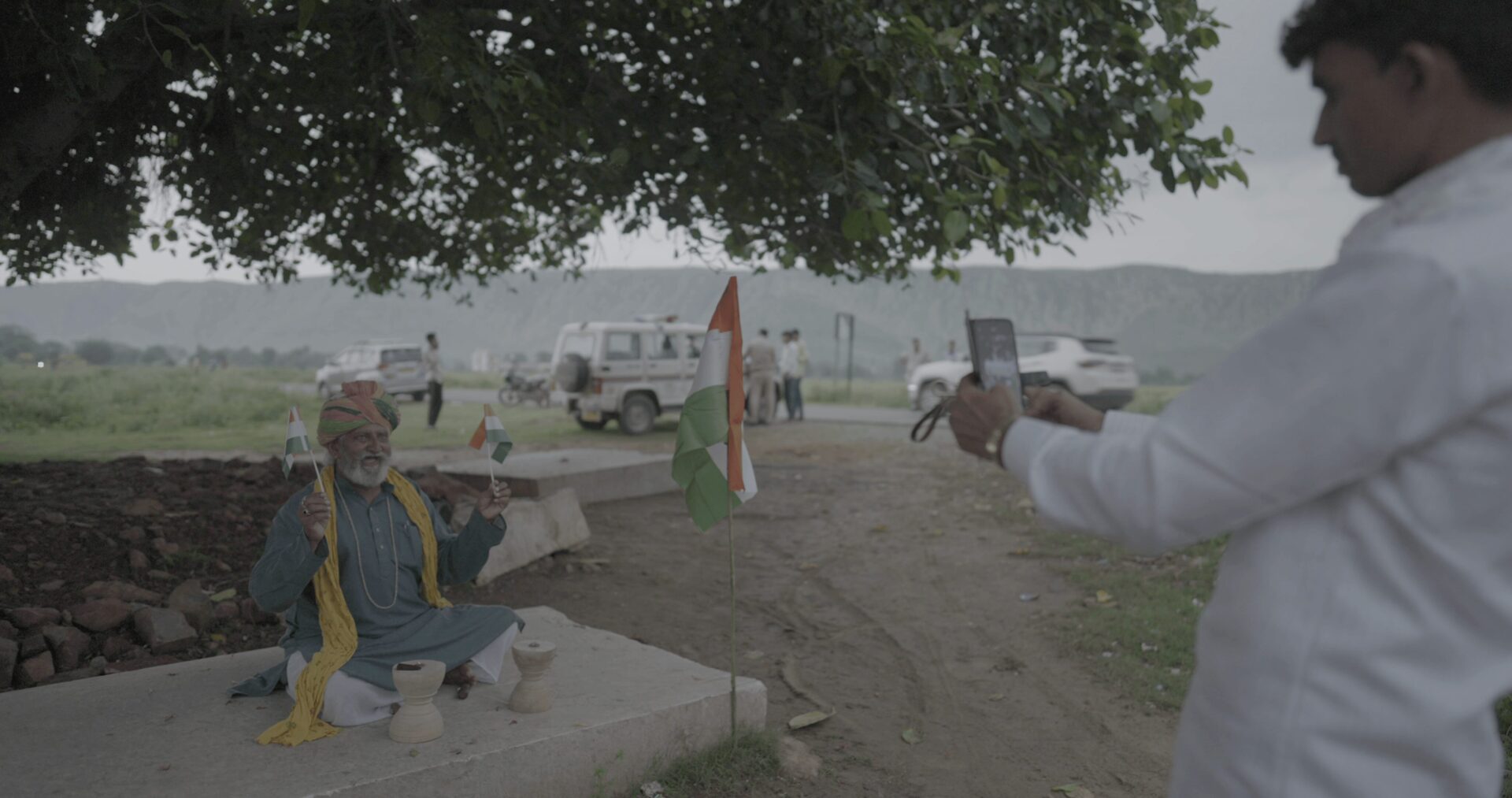
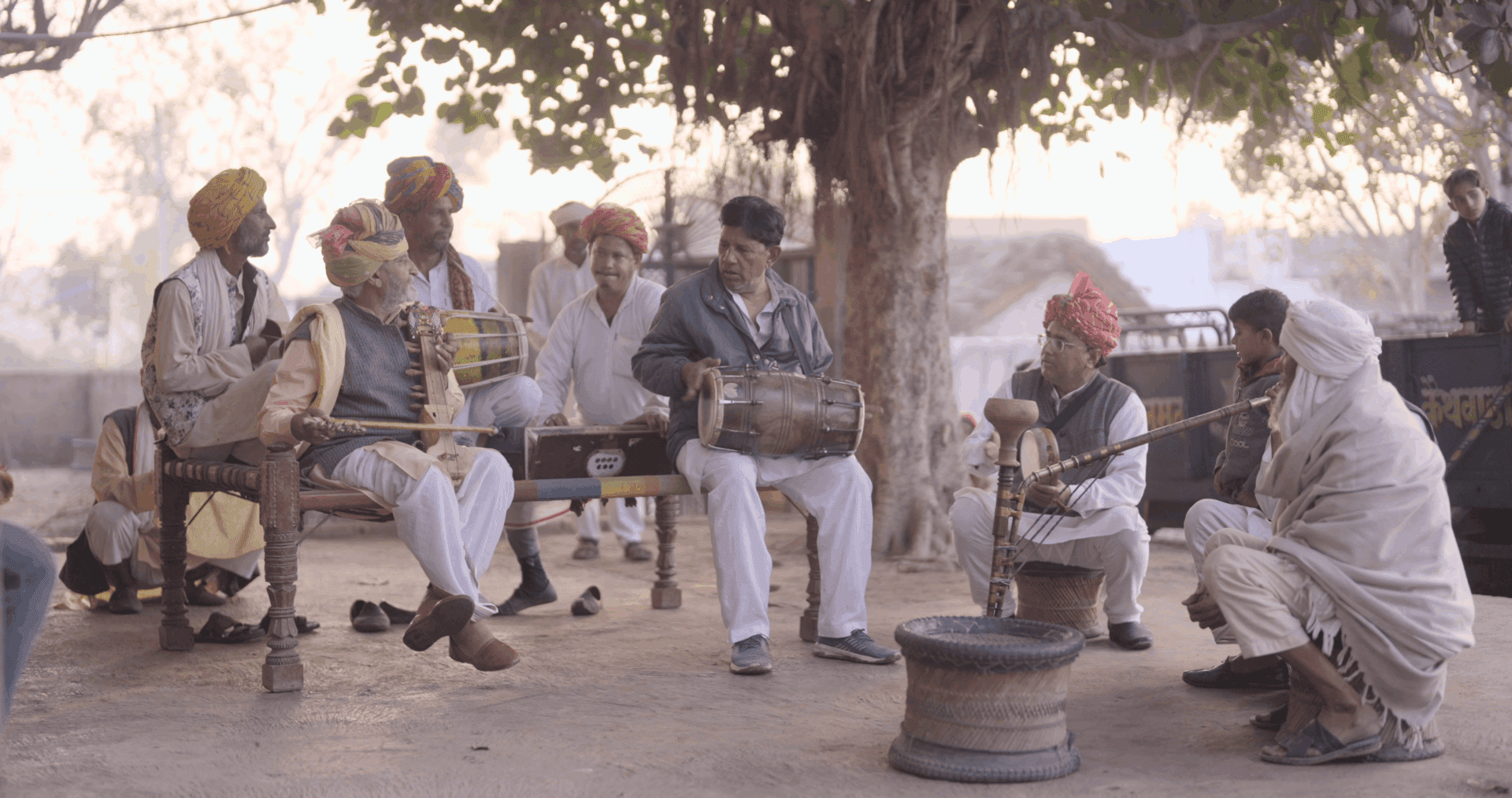
Gaffruddin is a Muslim Mewati Jogi – a community which converted to Islam long ago but traces its roots to the Nath Jogis of Gorakhpur. As Muslim Jogis, they follow both Islam and Hinduism, effortlessly inhabiting both worlds and in the process, embodying one of the most important cultural feats India has achieved – our deep rooted ability to thrive in mind boggling diversity; of religions, but also of philosophies, languages, food and almost everything else.
I have known Gaffruddin for 7 years. In that time, we have co-authored articles, fundraised to support Jogi artists through the crisis of COVID19, and organised performances together to spotlight their tradition. From the day I started making films, I felt compelled to tell Gaffruddin’s story, and I am deeply grateful for his trust as I now bring him and the story of his remarkable community and tradition to the world in my feature documentary: Between Two Worlds.
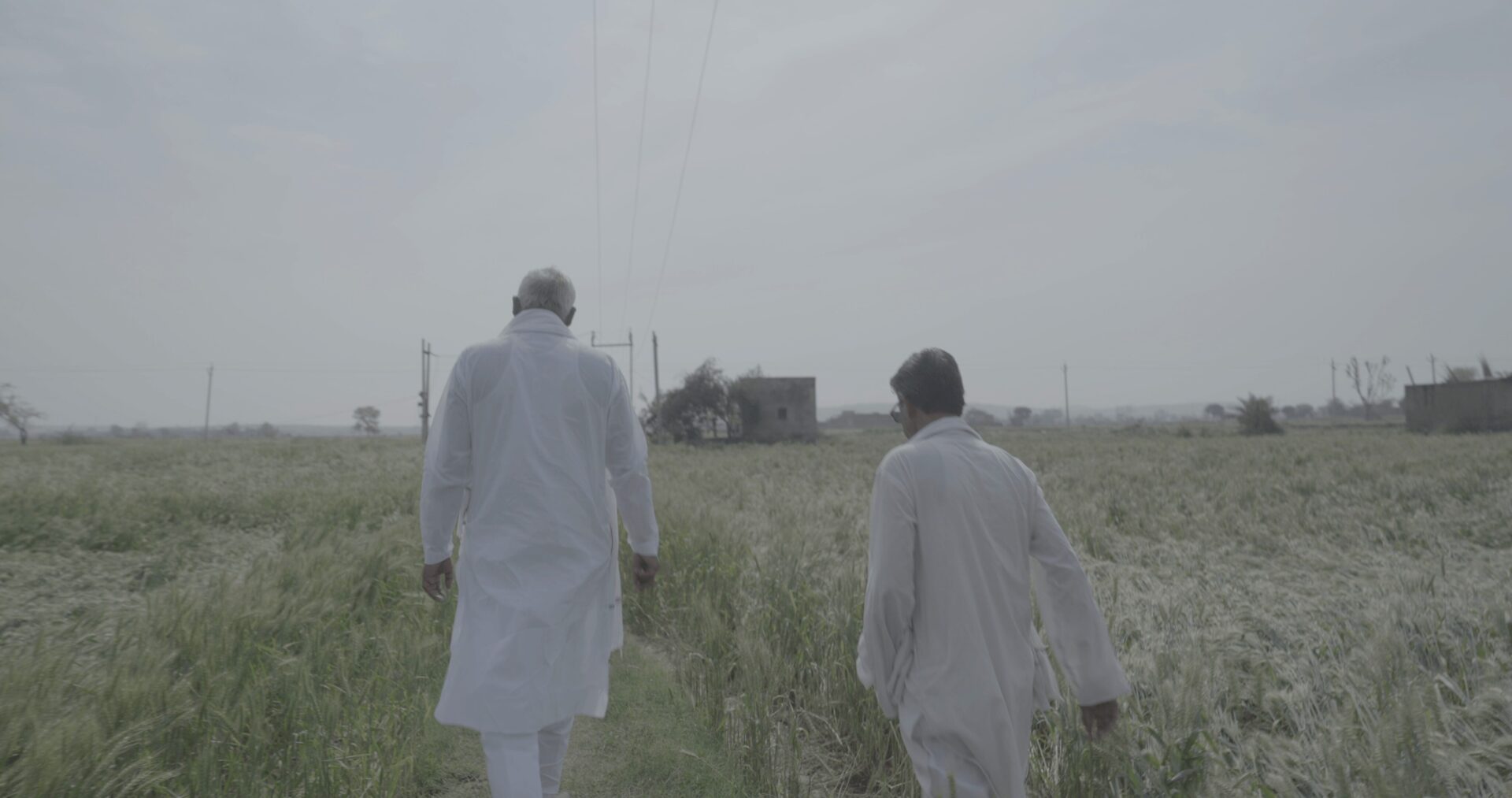
Along with Gaffruddin, there is another protagonist in my film: Gaffruddin’s friend, the village Sarpanch. Son of an Islamic scholar, the Sarpanch is a progressive battling religious dogmatism within and outside his community. His world – the theatre of contemporary politics – is the context within which Gaffruddin’s unique blend of Hinduism and Islam exists, and is all the more remarkable for it.
Because at its heart, this is a story of survival – individual and cultural. Gaffruddin and the Sarpanch stand as mirrors to a nation and a world at a crossroads, each trying to keep alive a vanishing legacy of coexistence in a time that rewards division.
The documentary asks what is lost if cultural memory fades, and what it takes – from two aging men with limited power – to protect a plural, complex identity in a world increasingly defined by borders, ballots, and binaries.
Why This Story, Why Now – Indigenous answers to a global crisis
This story from one village in the world’s most populous country is also a timely story about our world today. I see Between Two Worlds as both a portrait and a cultural intervention – an attempt to preserve a living culture of coexistence while exploring what indigenous traditions might have to offer to our fractured world. To suggest that perhaps the way forward lies not in erasing our differences, but in remembering how we once lived together.
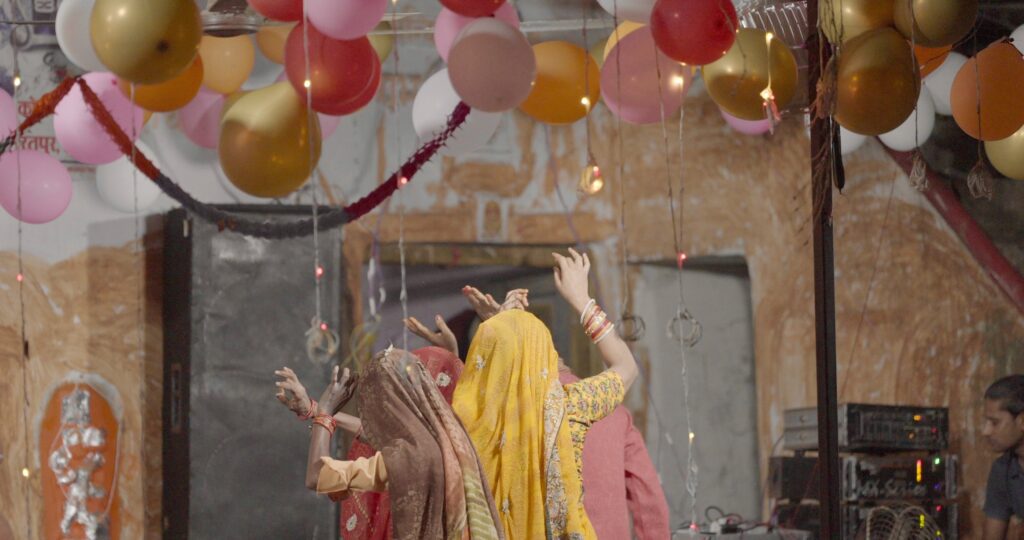
Gaffruddin and his Muslim Mahabharata demonstrate that indigenous models of coexistence have existed long before secularism and tolerance arrived in India as imported frameworks. My time in Mewat also showed me that the coexistence I grew up hearing about from my grandfather is not a relic. It is being lived, in real time, by people like Gaffruddin and the Sarpanch, in places the news cameras rarely reach. And it is under pressure from forces on every side – rising conservatism amongst both Hindus and Muslims, a political system that rewards the most divisive voices in the room, and a generation pulled in directions their grandparents never imagined.
I believe the diaspora has a particular stake in this – many of us left India carrying a lived experience of the country with us – plural, layered, argumentative, generous – and have watched from a distance as a flatter version of our culture has come to dominate global conversation and global perception. Mewat’s blend of Hinduism and Islam did not arrive from somewhere else. It was not borrowed from secularism or imported as tolerance. It is not unique even in India itself, where every region has its own variant of a tradition or community that defies easy categorisation. This ability to thrive in diversity without becoming obsessed with identity is deeply indigenous. It is much older than the idea that it needs defending, and it is still alive, if only we know to look for it.
And that is why I am making this film – to share an example of our cultural wisdom about diversity, and to begin a conversation in Mewat, in India, and across the world, about indigenous knowledge and how our cultural resources can help heal our polarised world.
How You Can Participate
We have been filming since January 2025 and after more than a year of following Gaffruddin and the Sarpanch through their extraordinary everyday lives, we have incredible footage and the makings of an intimate, authentic, and urgently relevant story from the grassroots of India.
It takes a village to make a film and a hugely talented group of people has come together for this one – Geeta Gandhbir, multi-Oscar-nominated documentary filmmaker as our Executive Producer, Nathan Punwar, multi-Oscar-nominated/shortlisted documentary editor, Vatsala Aron, former Head of Production at VICE Media, India, who is producing this film alongside me, and Stacey Offman, recently Executive VP of the Oscar, Emmy, and Peabody winning Documentary powerhouse, Jigsaw Productions, who is our industry mentor. I’m directing and producing.
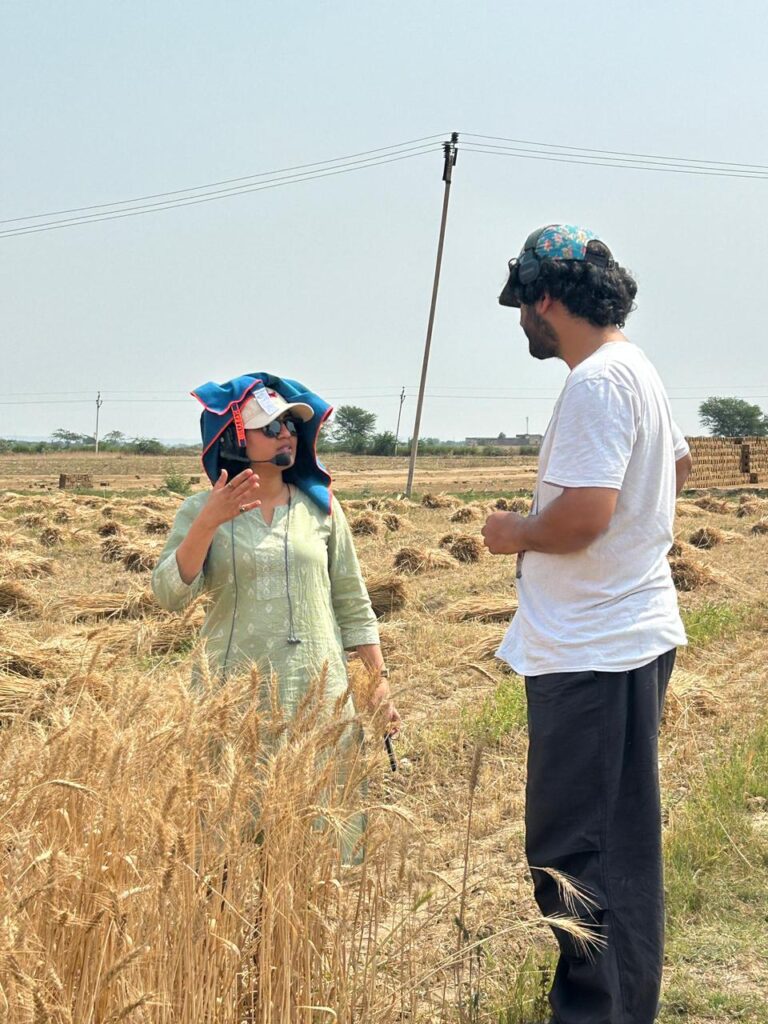
What we need now is the runway to dive into our footage and surface with a world-class rough cut we can take to festivals, distributors, and broadcasters. To get there, I am raising $100,000. Thanks to 501(c)(3) fiscal sponsorship from The Film Collaborative, every dollar donated to Between Two Worlds is tax deductible in the US. Two hundred people giving $500 – or one hundred giving $1,000 – gets us across the line. Even reaching half that, $50,000, would enable us to enter the next phase of post-production with the award-winning team we have assembled. As a thank you, every donor will receive credits in the film along with invitations to special screenings and more.
If you cannot donate, please share this. Send it to one person you think would care about an India that rediscovers its own cultural wisdom. This is an attempt to rediscover, explore, and share the unique cultural resources we bring to a global table as Indians – and your support, in any form, will help us take this story to worldwide audiences at the highest level of quality, as it deserves.
Make a tax deductible donation to Between Two Worlds: https://www.thefilmcollaborative.org/fiscalsponsorship/projects/betweentwoworlds
PS: There’s a lot more to this story, we’re keeping most of it confidential at the moment to protect both protagonists, and also to honour our observational, verité approach. If you’re intrigued by what you’ve read so far, get in touch. I’d be happy to share more and explore how we can collaborate. Looking forward to welcoming you to our village!
About the Author
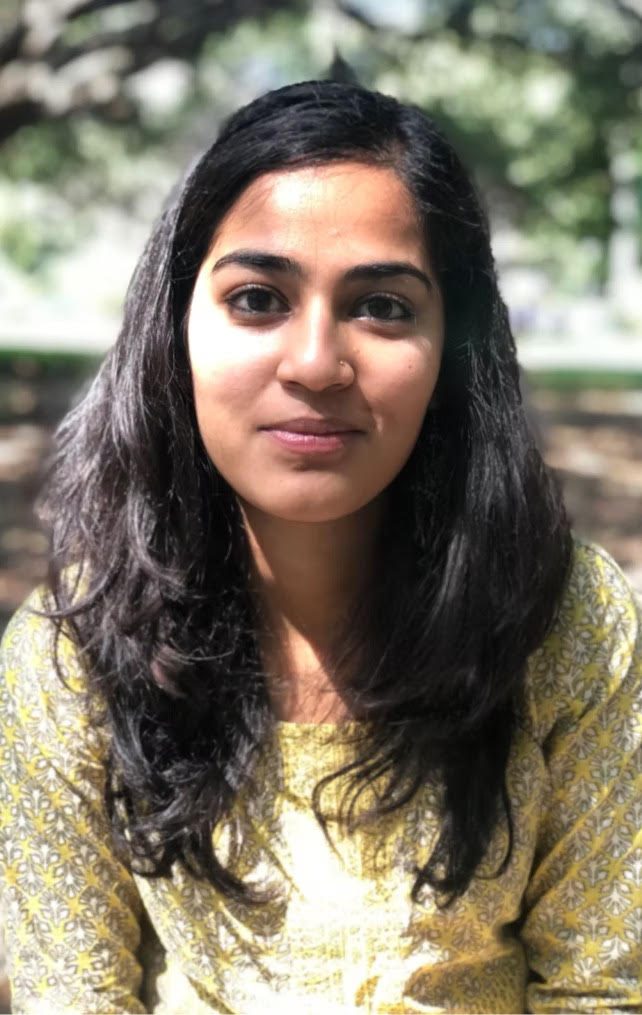
Garima Raghuvanshy is an independent filmmaker, researcher, and writer from India, based in the U.S. She is directing her debut feature documentary, ‘Between Two Worlds’. An Erasmus Mundus, Sahapedia–UNESCO and Accelerating India Fellow, Garima’s storytelling bridges scholarship and cinema, using film to explore how culture, power, and politics shape the world we live in – and the one we are building. Her past credits include landmark documentaries and docuseries for PBS, BBC, HBO and more.
Let’s talk: garima@purecraftfilms.com


