Our Journey of Disability Inclusion in India: The Story of Ummeed Child Development Center
July 29, 2026
When my son, Ayaan was young, I noticed things many parents might recognise—he was energetic, curious, and full of enthusiasm. At first, none of it felt unusual. But as school expectations around sitting still, paying attention, and completing tasks increased, I began to see that he was experiencing the world a little differently. Because I worked in this space, I sought support early rather than wait for things to become more difficult.
Over time, Ayaan was identified as having ADHD and later understood to also be at risk for a learning disability. What stayed with me was not the diagnosis itself, but the difference that understanding, supportive teachers, practical accommodations, and open conversations made to his experience. Watching him navigate school, confidence, friendships, and identity reinforced something I continued to learn through my work at Ummeed Child Development Center—that disability is never only about the child. It shapes family life, expectations, relationships, and the systems around us.
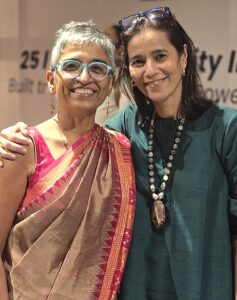
Ummeed itself was born out of a powerful vision. In 2001, Dr. Vibha Krishnamurthy returned to India after training and working as a developmental pediatrician at Boston Children’s Hospital, Harvard Medical College, and recognised a significant gap in services for children with developmental disabilities. At the time, few places in India offered families comprehensive assessments, interventions, and support. Ummeed was created to bridge that gap, and over time, its work expanded beyond just clinical services, and included nurturing environments that children and families rely on the most—healthcare, schools and early childhood development. We believe that every child has hope, and that children with disabilities can and should be included in society.
I joined Ummeed in 2003, after completing my Master of Science in Education from UPenn and returning to India. Something clicked and I knew almost immediately that I wanted to be part of what was being built. The organisation was tiny then. Everything felt small, personal, and full of possibility. Children came for developmental assessments and were connected to therapies and support, either within Ummeed or through external providers. Most families came from lower socio-economic backgrounds, and everyone pitched in wherever needed. I threw myself into every opportunity to learn and contribute.
A major milestone came in 2005 when Ummeed received its first institutional grant from the Tata Trusts. That support enabled us to move into a larger clinical facility in Lower Parel, Mumbai.
We spent hours with families, observing clinicians and understanding the realities of raising a child with developmental disabilities in India. Ummeed’s family-centred approach became a turning point for me. My training had taught me to focus primarily on the child, but as in the case of Ayaan, meaningful change happens when families are supported, informed, and empowered. Listening to parents became as important as working directly with children. That remains a guiding principle at Ummeed even today.
This shift shaped not only my own practice but also the organisation’s direction. Families were navigating challenges not just in clinics, but in schools, communities, healthcare systems, and workplaces. Supporting children meant engaging with those larger systems too.
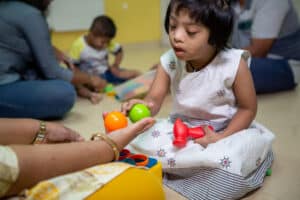
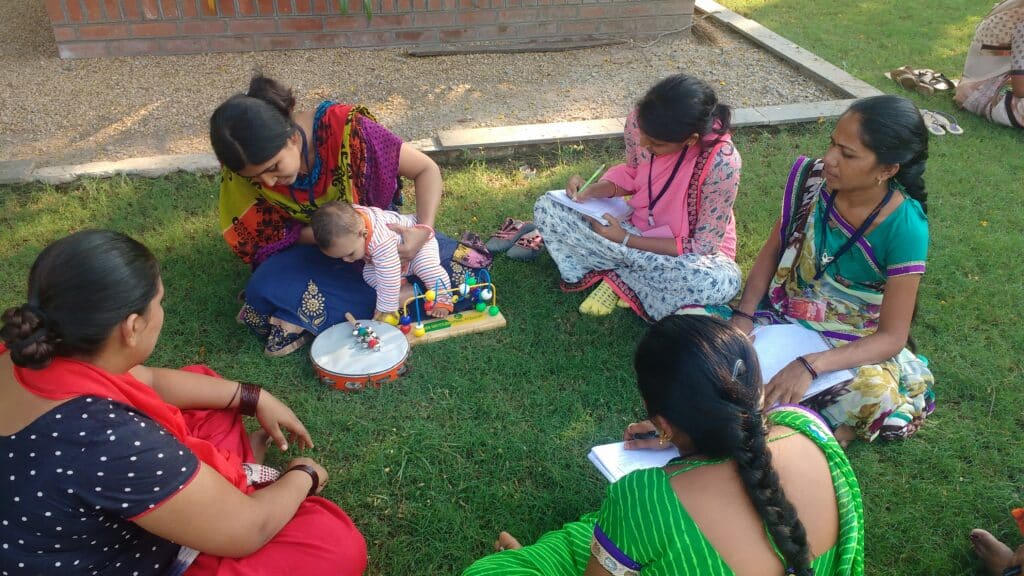
At the heart of Ummeed’s work are its clinical services, which offer high-quality, evidence-based, and culturally-relevant clinical services to children and families. They include our flagship programs and services for children with autism, and other developmental disabilities, the Early Intervention Center—our caregiver-child, play-based program for children with developmental disabilities and special needs, and the Family Resource Center, a dedicated space for parents, run by parents.
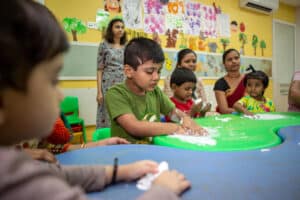
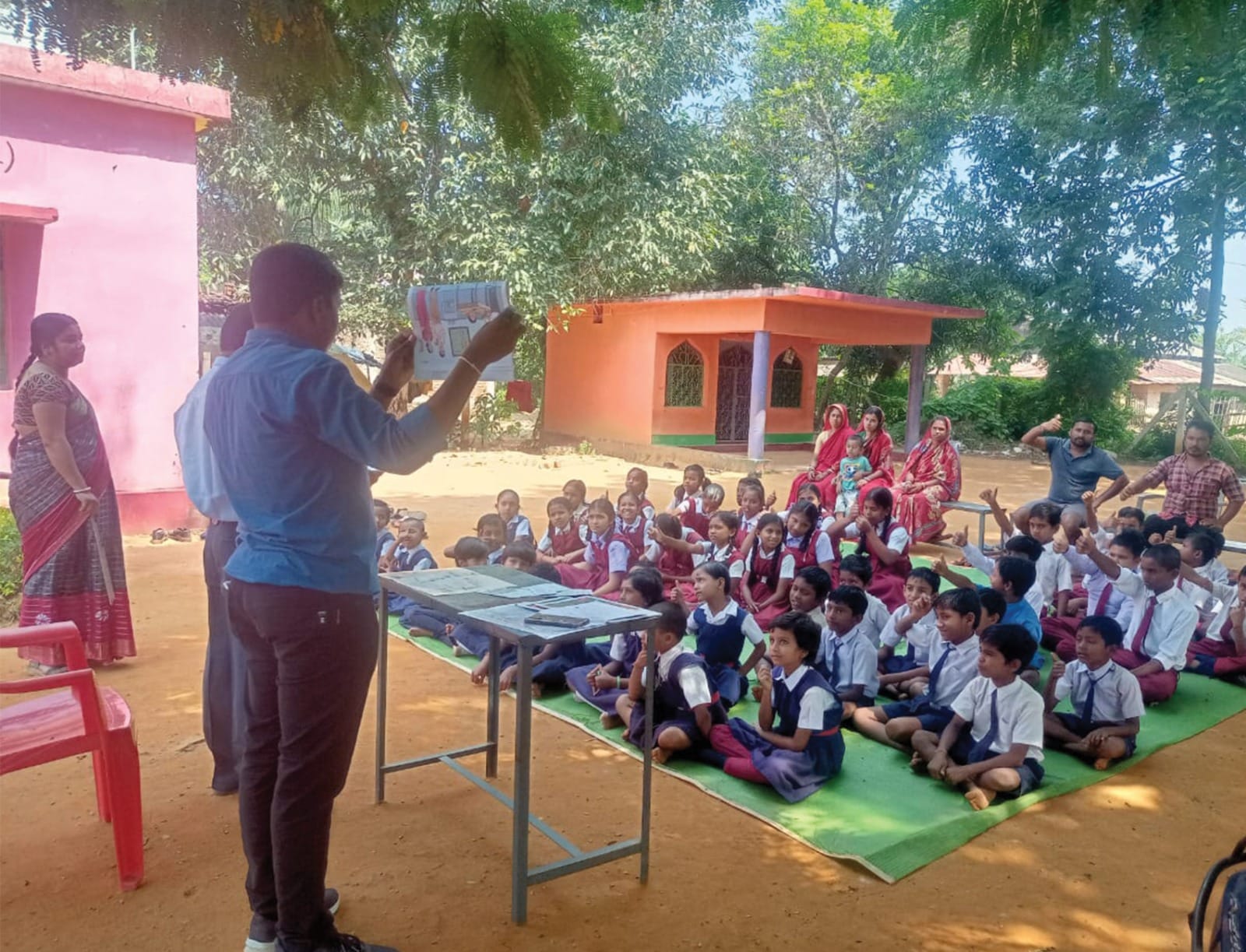
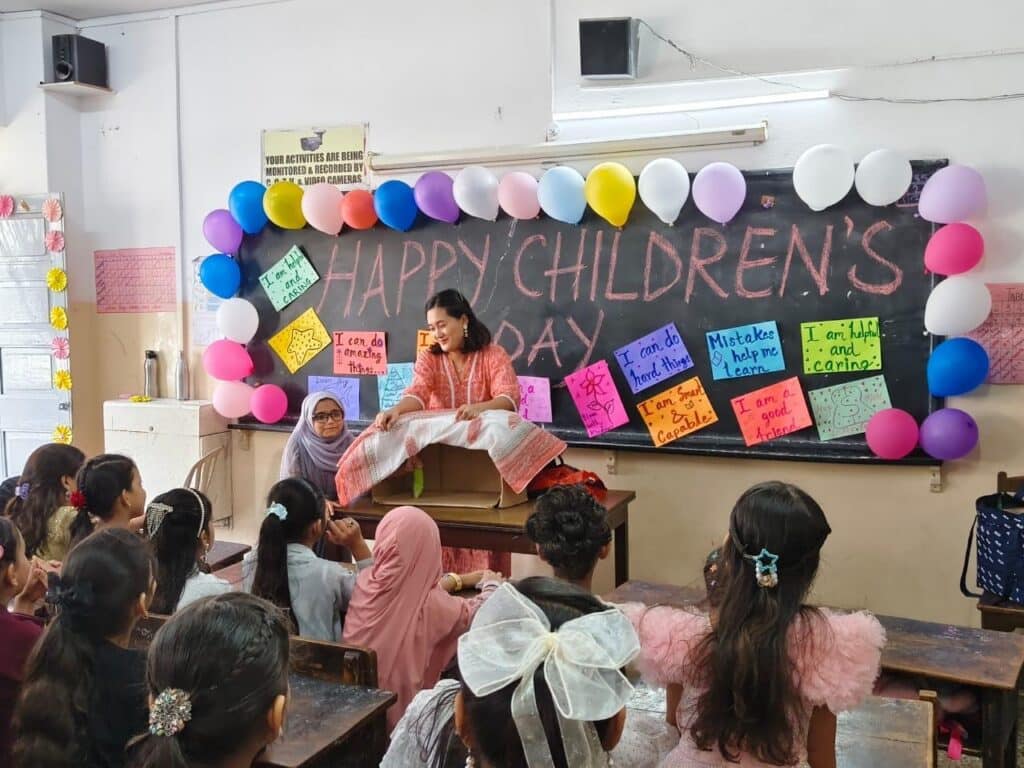
Education became an important area of growth. Parents repeatedly spoke about the difficulty of finding schools that understood or accepted their children. Inclusion could not happen only in clinics—it had to happen in classrooms. Over time, Ummeed worked more closely with schools and educators to build understanding and create pathways for children to participate meaningfully in learning environments. Some of the most rewarding moments for me have been seeing children who were once excluded find places where they could learn, grow, and belong.
Our work in Early Childhood Development, or ECD, grew from a simple, but powerful belief that identifying developmental concerns early—supporting children under the age of six and their families in those crucial first years—can fundamentally change a child’s trajectory. Many children, particularly those from vulnerable communities, were reaching services too late or not at all. This led us to think beyond direct clinical care, and increase access to early identification and interventions. Our approach included strengthening the use of evidence-based tools to monitor development and recognise delays early, and importantly, to work collaboratively with state governments and community-based organisations to extend reach.
Mental health also became central to our work. As we worked more deeply with families, it became clear that emotional wellbeing was inseparable from developmental outcomes. Parents carried immense stress and uncertainty, while children and adolescents faced their own emotional challenges. Supporting mental health became an integral part of care.
My own role evolved alongside the organisation and eventually grew into leadership. That transition challenged me to think beyond individual children and families and focus on systems change and organisational growth. By then, Ummeed was not only delivering services, but also training professionals, building awareness, and contributing to research.
What kept me grounded throughout were the children and families.
There are certain moments that stay with you forever in this field. A parent telling you they finally feel understood. A child finding a way to communicate for the first time. A family beginning to imagine a future they previously thought was impossible. Those moments may seem small from the outside, but they are enormous for the people living them.
And those moments changed me too.
One of the biggest lessons we’ve learned is that meaningful change takes time. When you work in disability, progress is rarely dramatic or immediate. Often, it’s slow, layered, and deeply human. You learn patience. You learn humility. And you learn that listening can sometimes be more powerful than fixing.
Today, Ummeed has become part of a much larger movement around early childhood development, inclusion, disability rights, mental health, and education in India. Our clinicians serve as foot soldiers in this space, providing support and therapy to families, our training programs are well attended and impactful, our colleagues are a part of policy-level consultations, and our research papers are published in peer-reviewed international publications.
More than 16,400 children have received direct clinical services, 6,600 caregivers and 14,600 professionals have been trained on rights, resources and skills, and 730,000 families have been indirectly reached through our trainings and services.
But even as the work has expanded, the heart of it has remained the same: relationships, trust, and hope.
For me personally, this journey has never just been about the organization expanding in isolation. It has been about growing alongside a community of families, professionals, and children who have constantly taught me what resilience and possibility really look like.
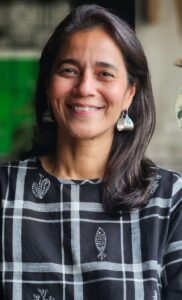
Shamin Mehrotra is the CEO of Ummeed Child Development Center, a role she took on in 2026 after more than two decades with the organisation. A Senior Mental Health Therapist and long-standing member of Ummeed’s Leadership Team, she has worked closely with children, families, schools, and communities to advance inclusion and mental health for children with developmental disabilities. She holds a Master of Science in Education from the University of Pennsylvania.