
When I moved to the Bay Area during the pandemic, I didn’t expect to find stories that would reshape how I understood both history and belonging. That changed in 2022, when I came across Ghadar Geet, a dance-theater work by choreographer Joti Singh. What began as curiosity about her bold artistic interpretation of Bhangra through West African movement became an encounter with a forgotten history—the Ghadar Party, an international anti-colonial movement founded by Indian expatriates in San Francisco in 1913.
As a recent immigrant and filmmaker, this hidden history struck a chord and set me on a new journey. In many ways, it echoed what I had grown up around.
I come from a family in rural Telangana with a strong commitment to social justice. Growing up in Hyderabad while witnessing the struggles of farming and rural life—alongside my grandfather and uncle’s work to uplift marginalized communities—helped me recognize both my privilege and my responsibility to tell stories from underrepresented communities.
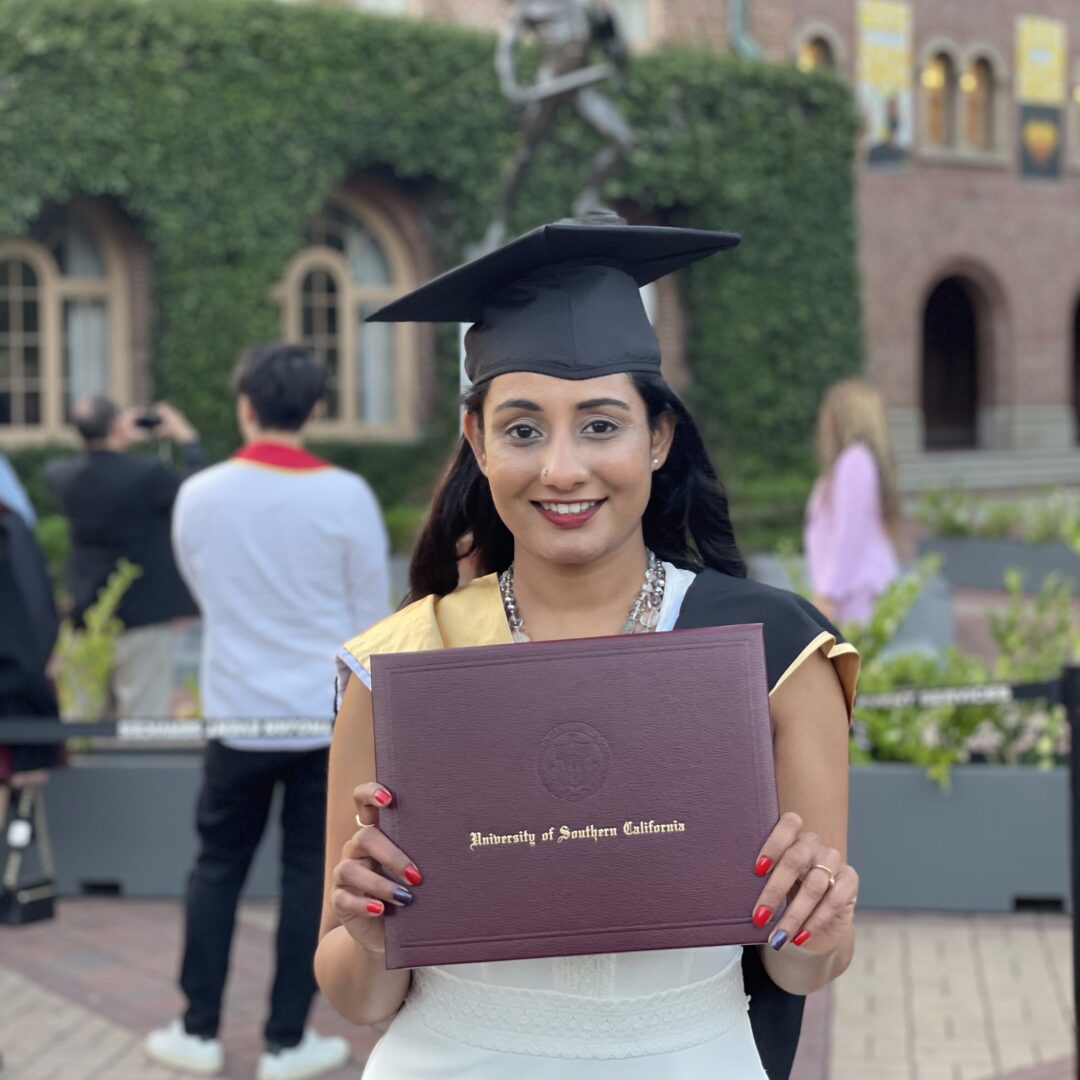
That journey led me into filmmaking. After a stint in Bollywood working with production houses like Yash Raj Films, I returned to Hyderabad to start my own production company. Still searching for my voice as a storyteller, I decided in my mid-thirties to go back to school. In 2019, I moved to the U.S. as a USC Annenberg Graduate Fellow in documentary filmmaking.
The first nine months in Los Angeles were filled with possibility—settling in, building a network, and finding stories I wanted to tell. And then the pandemic hit.
Like everyone else, my world shrank overnight. I left LA for what I thought would be a short stay in the Bay Area, a one- or two-month pause until things normalized. But that “temporary” move became permanent. What started as an unplanned stop turned into the beginning of a new chapter in my life.
The first year was filled with uncertainty. On a student visa, with the documentary world at a standstill, there were no jobs and no clear path forward.
Then a small grant from the Asian American Documentary Network gave me the chance to tell the story of a local Punjabi man at the Fremont Gurdwara who had lost his restaurant during the pandemic. Instead of giving up, he leaned into his Sikhi principles of service and started a food truck to bring hot meals to unhoused and low-income neighbors. His resilience inspired me.
I launched a YouTube channel and began documenting local stories—narratives rooted in the South Asian community, resilience, and belonging. One story led to another, drawing me to voices that were non-mainstream, local, and community-centered.
That’s when I encountered Joti Singh and Ghadar Geet. Her great-grandfather, Bhagwan Singh Gyanee, came to San Francisco fleeing British colonial rule and joined the Ghadar Party—an organization of Indian immigrants on the West Coast who connected the racial discrimination they faced in the U.S. with the oppression of colonial rule in India. They realized that dignity and equity were only possible through freedom from British rule. In 1913, years before India’s independence struggle became a nationwide movement, the Ghadar Party launched their own on the shores of San Francisco
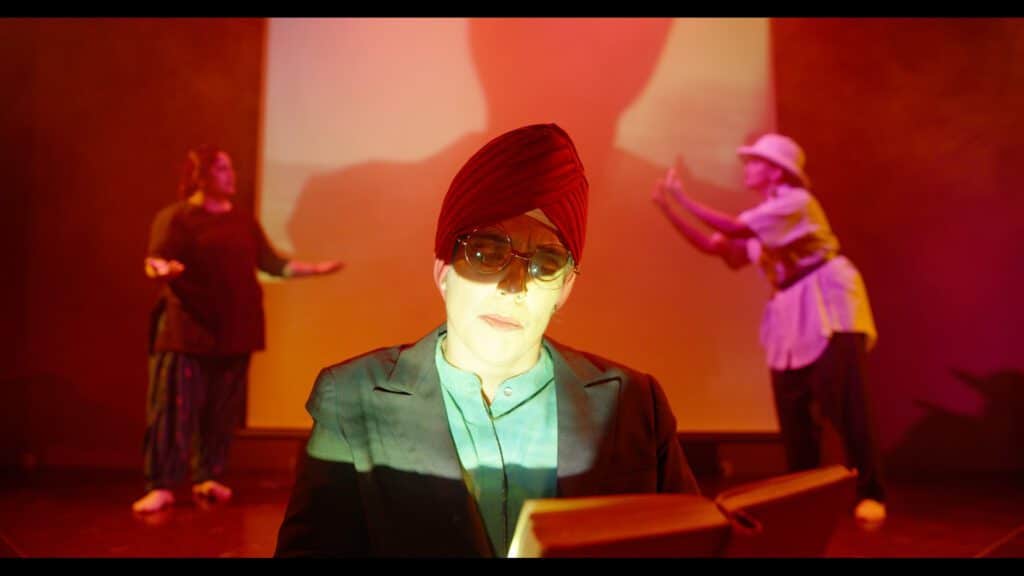
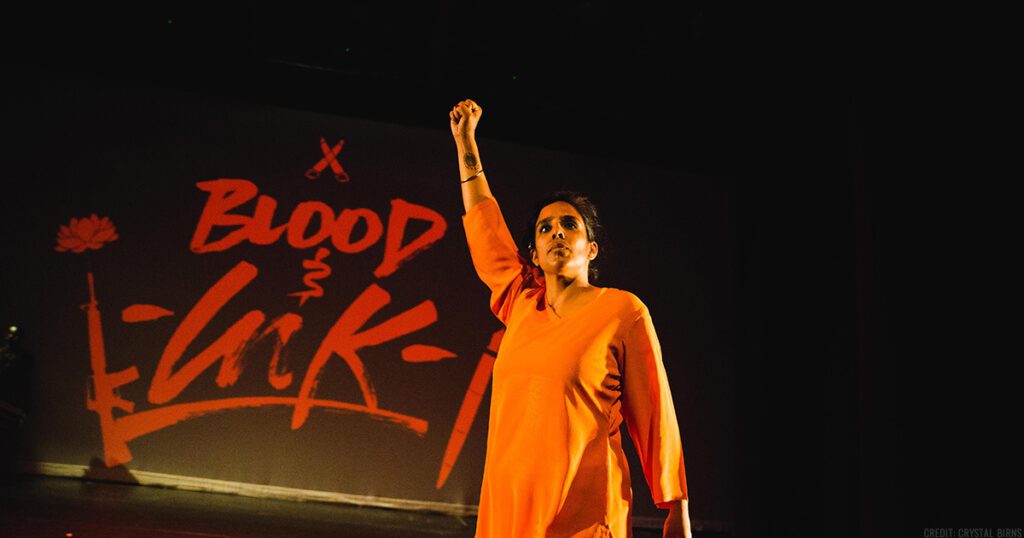
Their contributions were significant. The Ghadarites inspired a political awakening among the diaspora and organized what was perhaps the first anti-colonial movement rooted in labor struggles. They even conspired with Germany to smuggle arms into India, motivating more than 2,000 Indians abroad to return home for an uprising—though British intelligence thwarted it.
Like many in the diaspora, I always thought our history in America began after 1965. But here was proof of a longer lineage—students, farmers, and laborers who crossed oceans not just to work, but to fight for freedom. Navigating immigration challenges myself, especially under current circumstances, helps me understand this story more deeply. As I started researching and visiting Ghadar sites, I began to see my own belonging here more clearly.
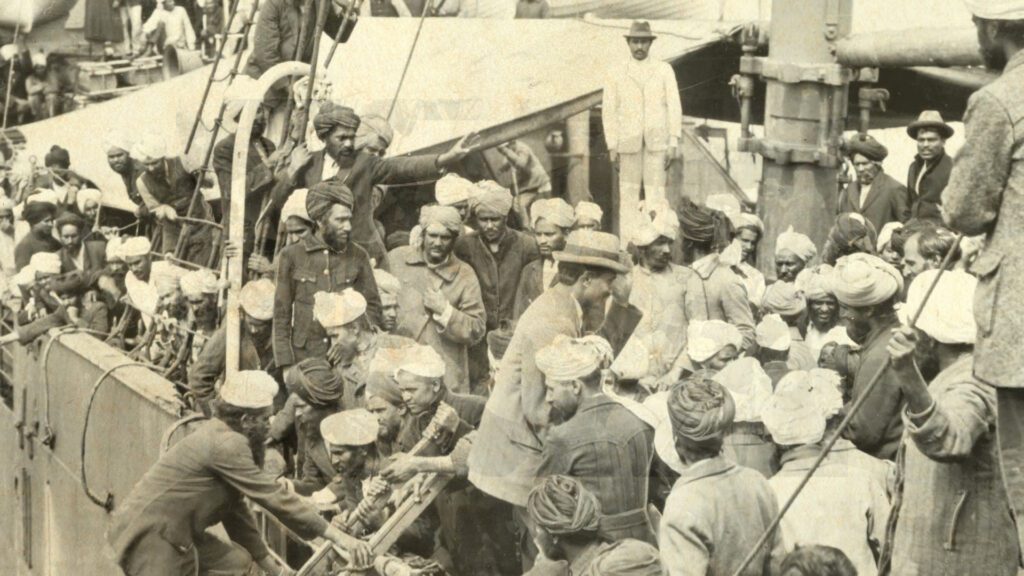
In her latest iteration of Ghadar Geet, Joti explores the 1917 San Francisco Hindu–German Conspiracy Trial—the longest and most expensive trial in U.S. history at the time. Many Ghadarites were arrested under charges of conspiring with Germany and threatening U.S. neutrality during World War I. The trial ultimately ended the movement.
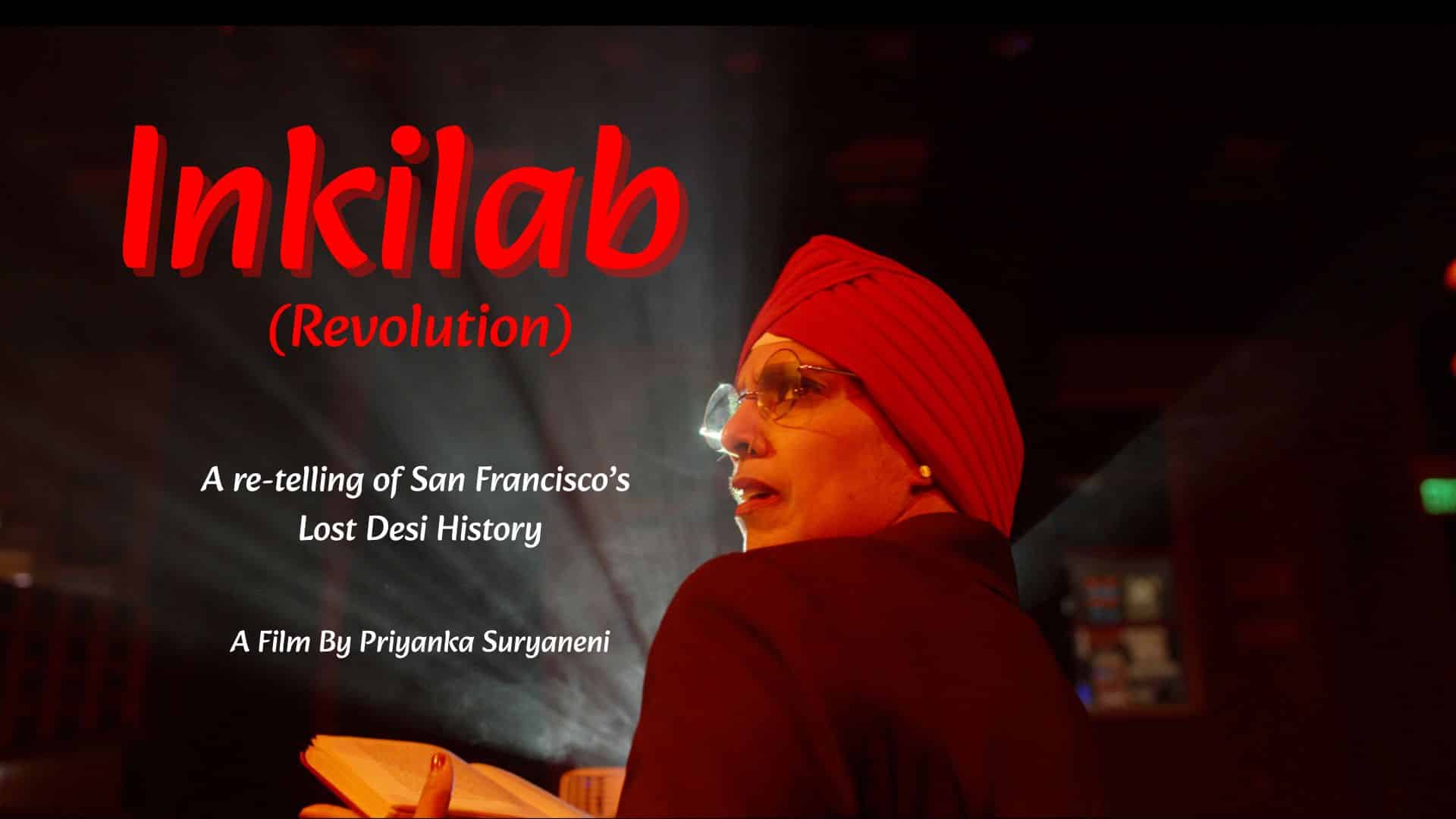
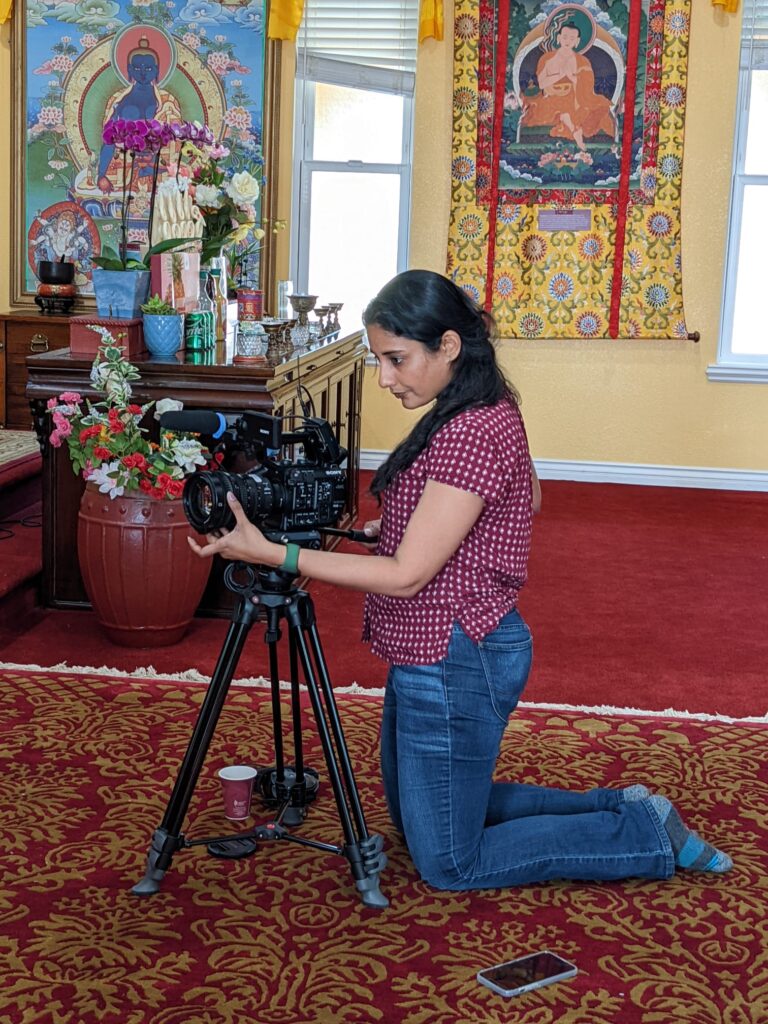
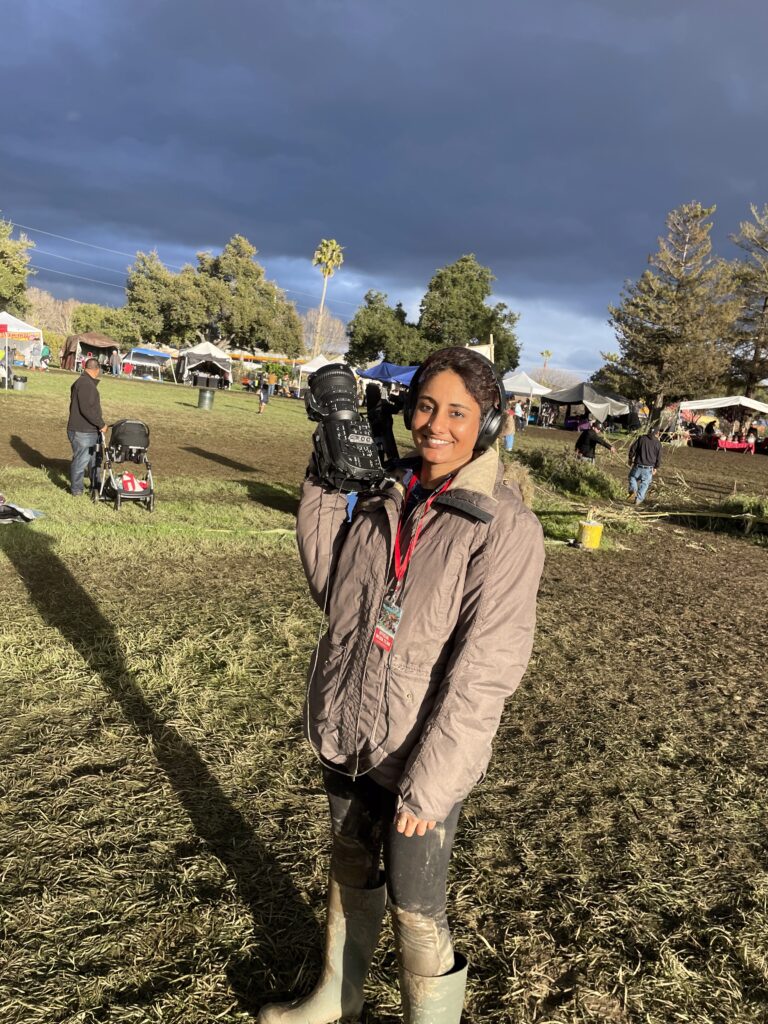
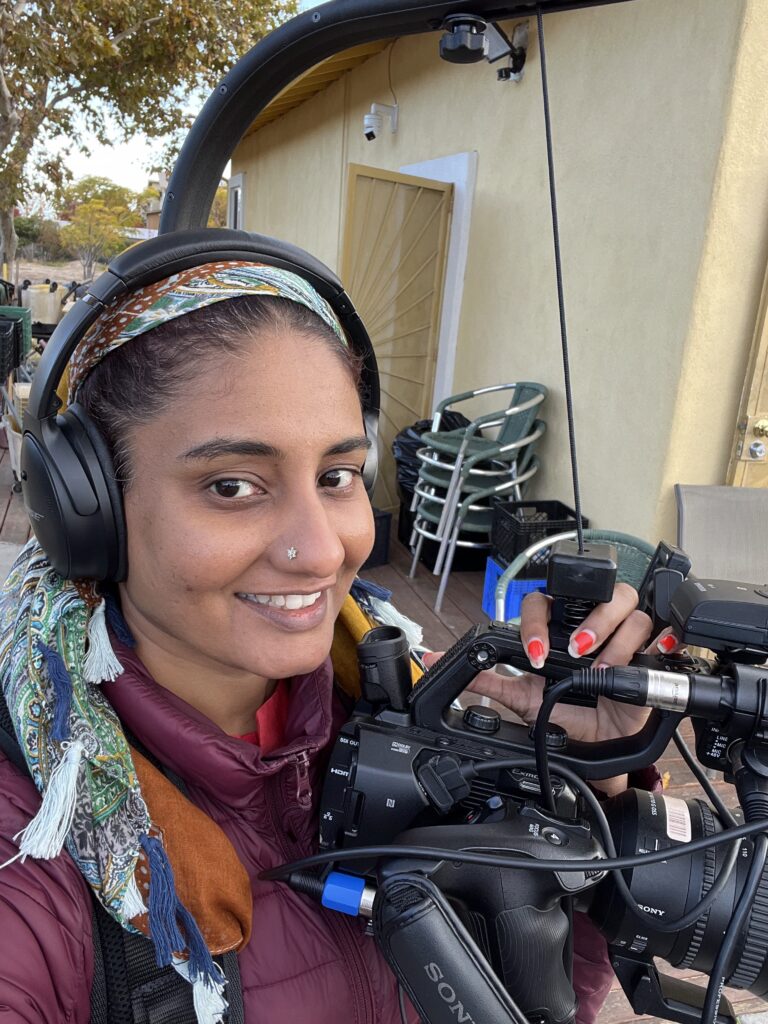
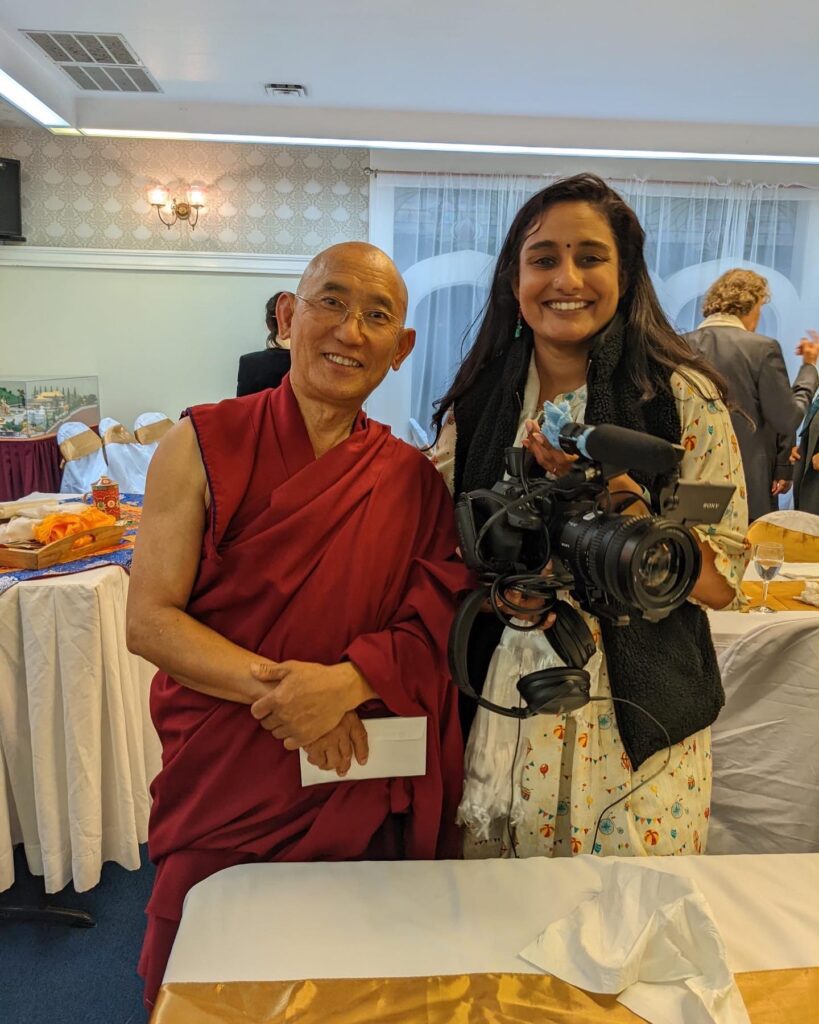
Our film, Inkilab, follows Joti’s artistic journey as she uncovers her great-grandfather’s history. She digs into archives, visits historic sites like Angel Island and the Stockton Gurdwara, and even goes to a nondescript parking lot in San Francisco that once housed the Ghadar Party headquarters. Through her story, we offer an alternate retelling—reclaiming the Ghadarites as freedom fighters, not criminals.

Using an observational, “fly on the wall” approach, we follow Joti as she researches, interviews experts, and uncovers new information. These moments are interwoven with re-enactments of her great-grandfather’s history, where she portrays him as she does in her performance. Joti has given me full access to film, allowing an intimate and comprehensive look into her process.
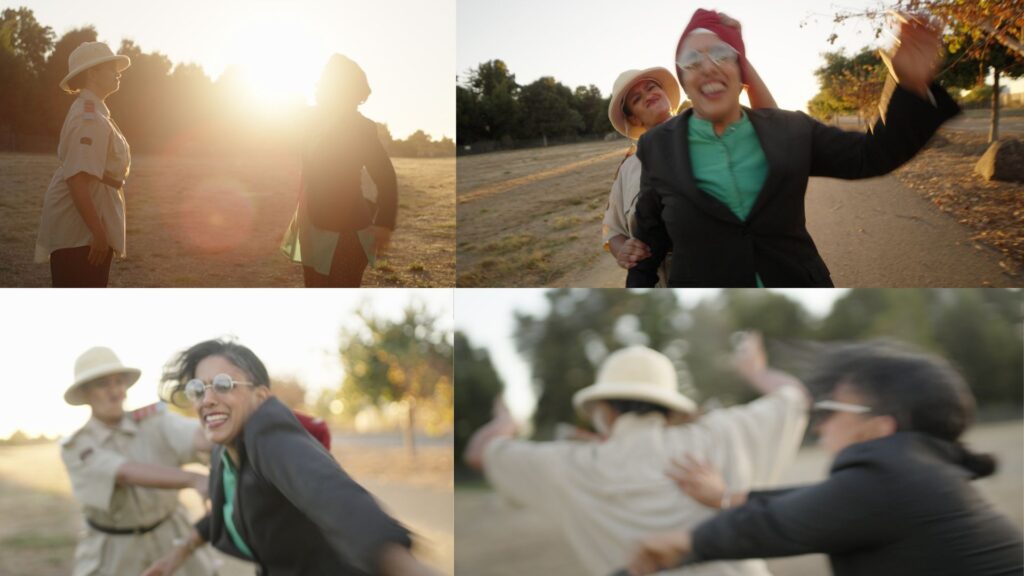
I began filming with Joti in 2023. We are now mid-production and fundraising to create a sample that brings our vision to life. These seed funds are critical for filming cinematic, stylized re-enactments and editing a compelling piece that will help us secure further support through grants. With this support, we will be able to hire both a production crew and a post-production team.
This year marks 111 years since Joti’s great-grandfather first entered the U.S.—the same year the SS Korea sailed from San Francisco, the first ship with 70 delegates headed to India to spark rebellion. In their honor, we are organizing a community fundraiser. Our giving tiers follow the tradition of shagun with odd-numbered amounts—$11, $51, $111, and so on.
Incentives are designed to involve the community in this journey, from on-screen credits to virtual hangouts, consultations on archiving family histories, and becoming community circle producers with opportunities for feedback as we shape the film.
This is an invitation to join us in preserving our histories in America—and to become part of the journey of telling them.