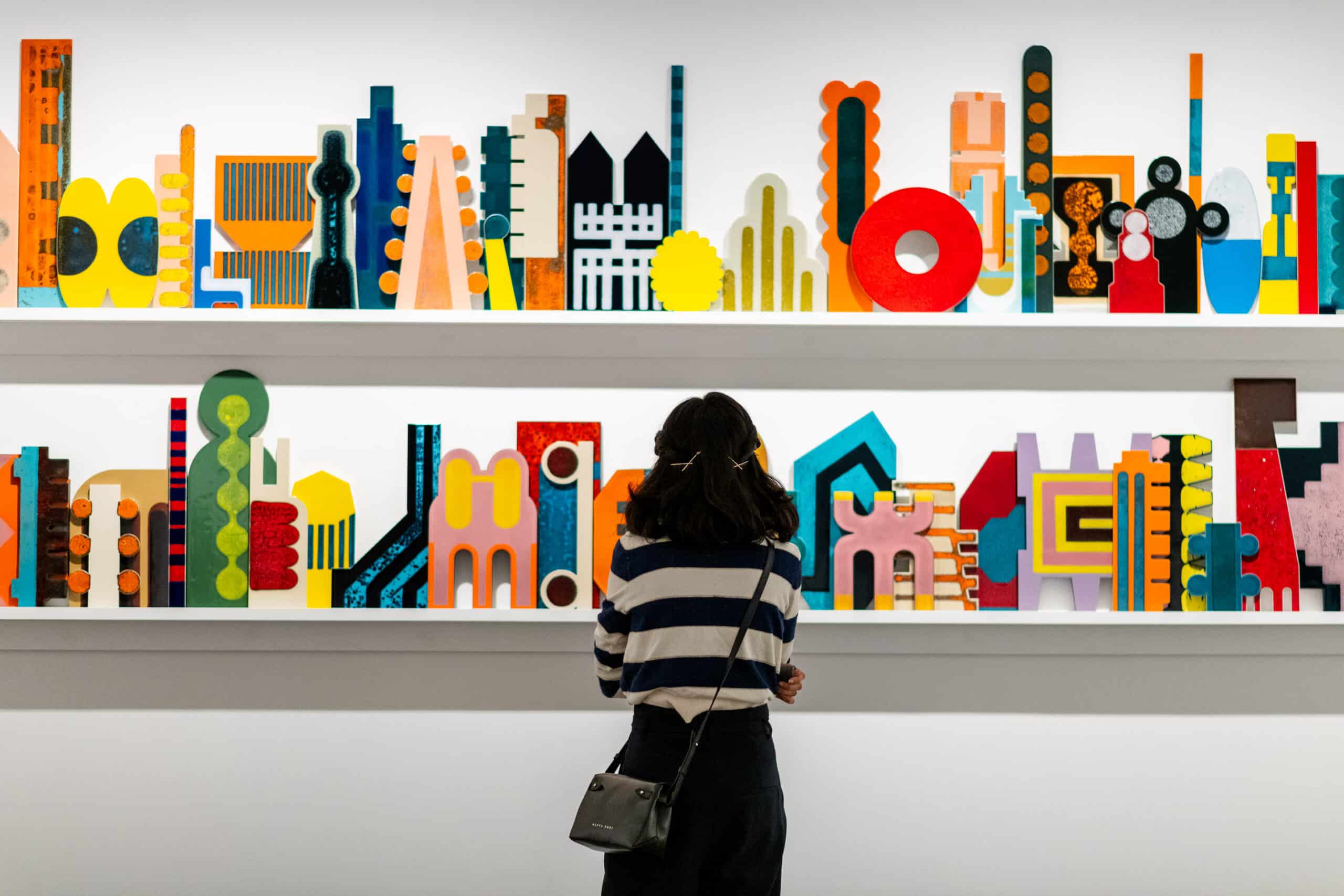

We have all experienced it: walking through the great museums of the world, surrounded by objects and histories that once belonged to us, or standing before a European monument proudly described as “historic, dating back to 1888.” To us, that is almost yesterday. We smile quietly when we see castles considered grand abroad that are smaller than the stables of some of our ancient forts and palaces.
Museums matter because they shape identity, inspire pride, and tell the story of a civilization. That is why almost every major global city has a thriving museum district dedicated to celebrating its history, culture, science, and future. A 2017 study by the American Alliance of Museums found that the museum sector in the United States alone supports more than 726,000 jobs and contributes over USD 50 billion annually to the economy. Yet museums are about far more than economics—they are repositories of memory, imagination, and nationhood.
And yet, when we return home and walk through the National Museum in Delhi or many institutions scattered across our state capitals, there is often a sinking feeling. For a civilization that gave the world zero, geometry, medicine, music, philosophy, and some of the greatest artistic traditions in human history, we do a remarkably poor job of telling our own story. Our museums struggle to engage and often feel uninviting—particularly to younger audiences. This is not a recent observation; a 2011 UNESCO assessment delivered a sharp critique of Indian museums, pointing to systemic shortcomings in lighting, signage, display quality, and even basic security. Such deficiencies do more than diminish visitor experience—they undermine the museum’s role as an institution of learning, inspiration, and cultural continuity.
Too many of our museums remain dusty, poorly curated, and inadequately displayed. They feel neglected, as though they suffer from the same lack of civilizational confidence that afflicts much of modern India. Why does one of the oldest and most influential civilizations in human history continue to punch so far below its weight when it comes to celebrating itself?
Government apathy is certainly one reason. But another lies in the direction of private philanthropy in India, which has historically flowed far more toward religion than toward public cultural institutions. By contrast, in the United States, for all its capitalism, there exists a deeply entrenched culture of philanthropy that actively supports museums, universities, libraries, and public spaces. Many of the world’s greatest museums were built on private generosity and individual vision. In India, wealth is still largely passed down within families or directed toward temples and religious charities, with comparatively little allocated to building enduring public institutions.

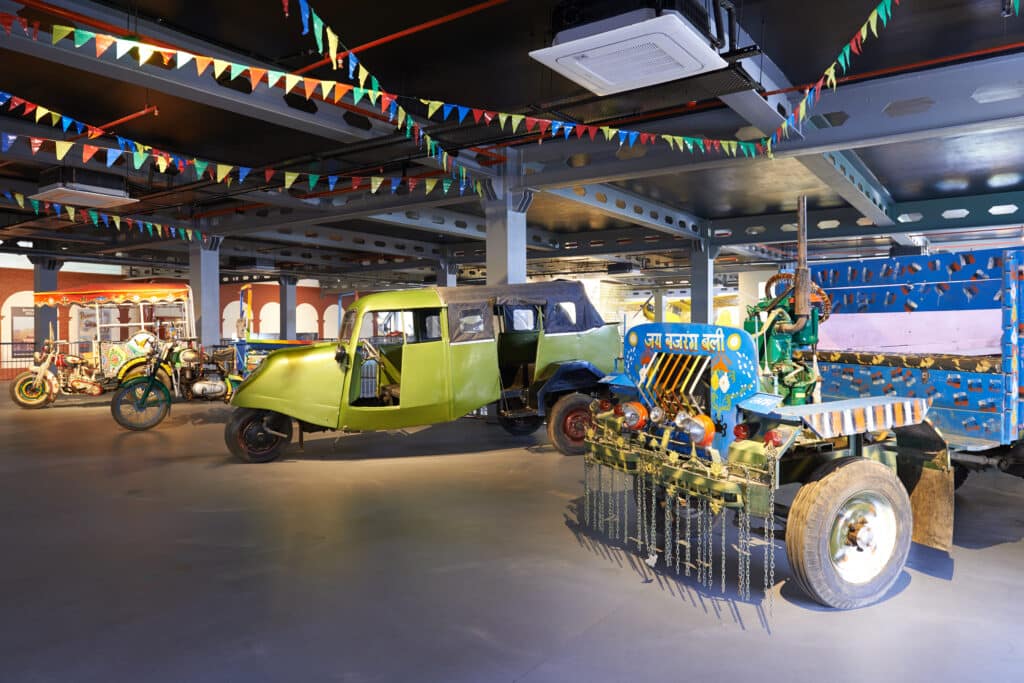
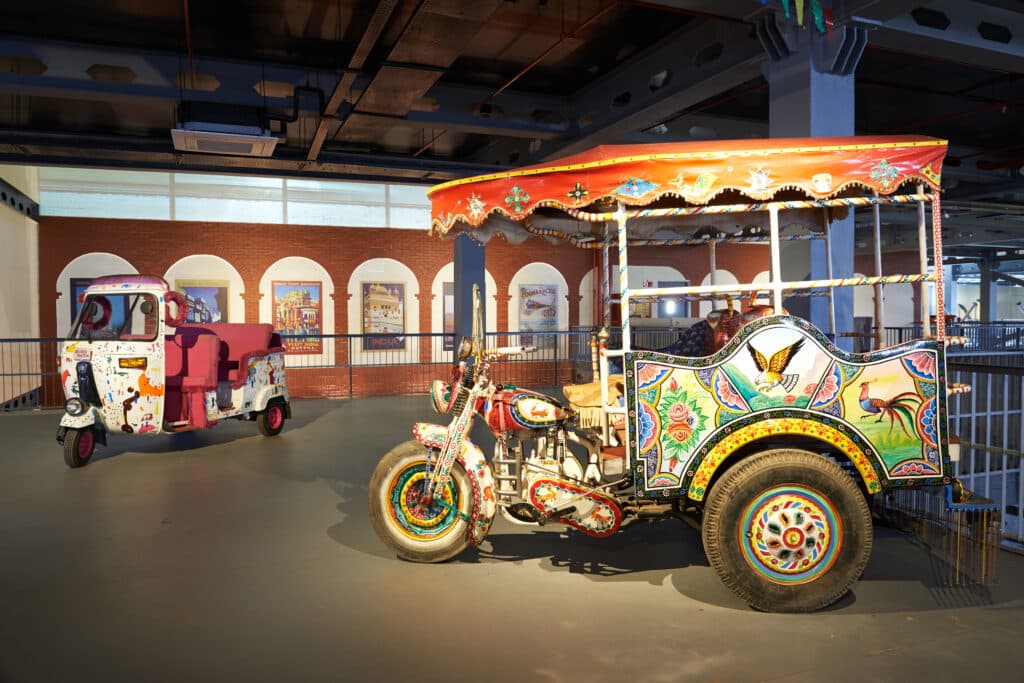
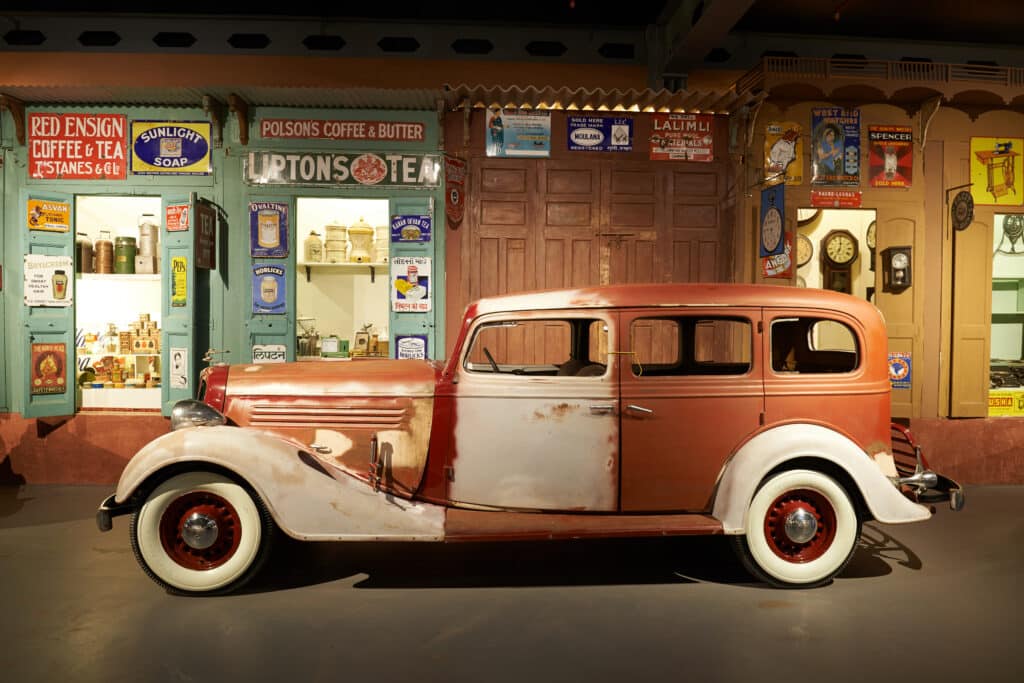
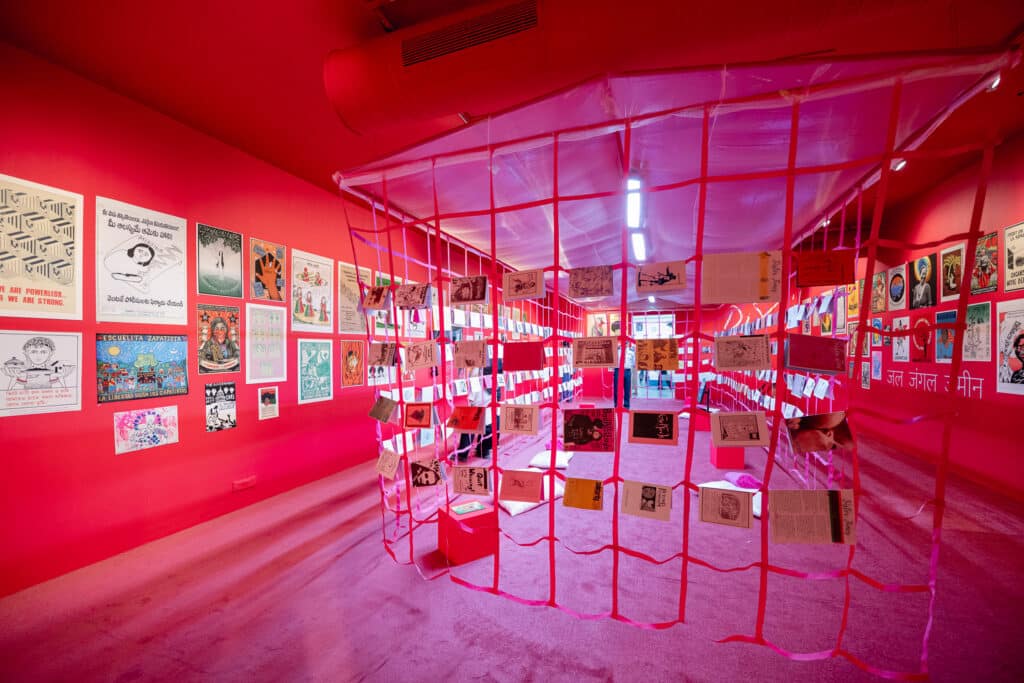
That said, there are signs of change. A new generation of privately funded museums has begun to emerge across India. Institutions such as KNMA, MAP, Museo Camera, and the Heritage Transport Museum are genuinely world-class. They demonstrate that India is fully capable of creating museums that are as compelling, sophisticated, and globally relevant as their international counterparts.


But for the world’s most populous nation—and one with the youngest population on earth—the ratio remains shockingly poor. The Louvre attracts more than 9 million visitors every year. By contrast, the National Museum in New Delhi receives between 300,000 and 600,000 visitors annually, despite India having more than twenty times the population of France.
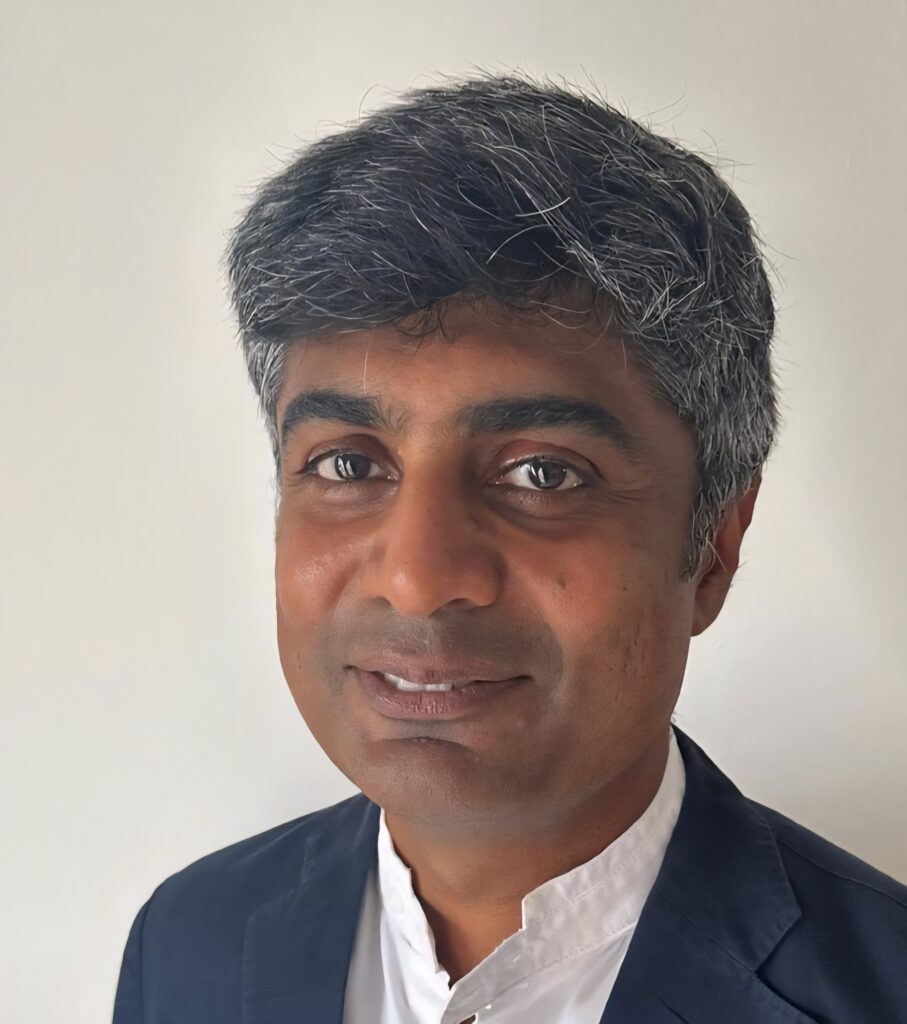
It is precisely this gap that led to the creation of my latest venture: Consortia Culturale, a social impact startup aimed at catalysing a museum renaissance in India.
Building one or two new museums will not be enough. India does not need dozens of museums—it needs hundreds. Just as importantly, it must radically upgrade the institutions it already has so they can stand shoulder to shoulder with the best in the world.
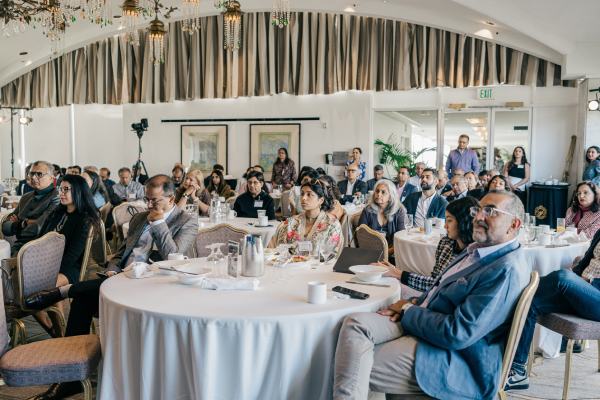
Over the course of three decades as an entrepreneur, I have had the privilege of working closely with some of the world’s leading museums and museum professionals. I have witnessed the creation of extraordinary institutions and learned what makes them succeed. Today, I hope to bring those lessons, relationships, and experiences back to India by assembling a roundtable of some of the finest minds in the global museum ecosystem.
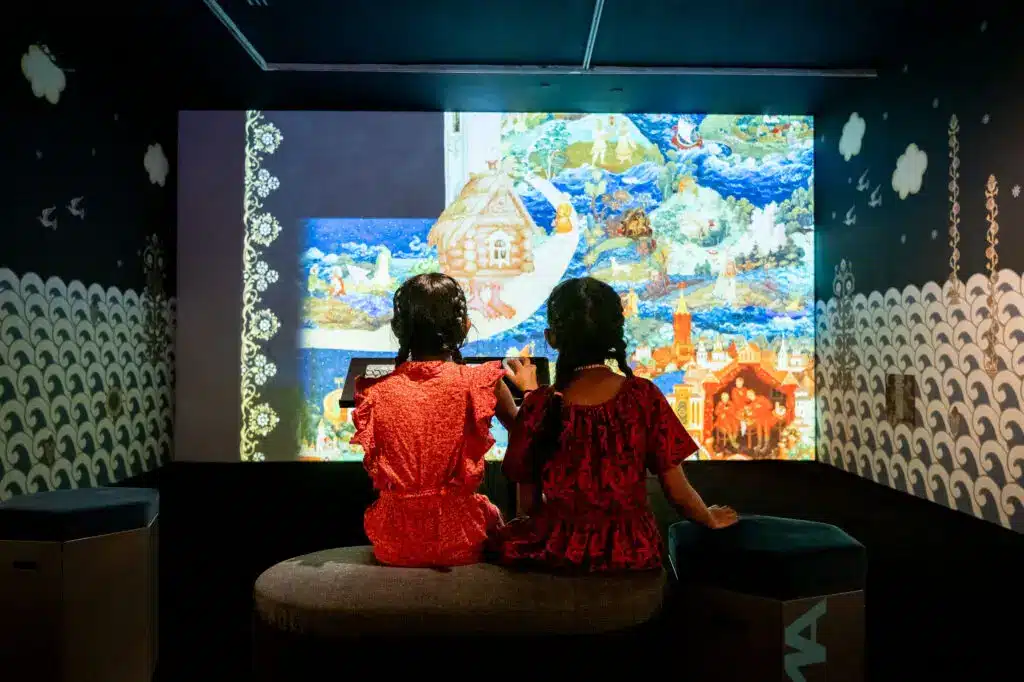
Technology will also play a critical role. The museum of today cannot simply be a static space filled with artefacts, labels, and adequate lighting. It must be interactive, accessible, and immersive—capable of educating at the click of a button and inspiring wonder in a generation raised on screens. Even modest but thoughtful interventions can have an outsized impact. For instance, the Museum of the Moving Image (MoMI) in New York significantly increased attendance and membership through targeted improvements such as better climate control, more family-friendly spaces, and curated public programming.
With AI, immersive displays, digital archives, and advances in audiovisual technology, museums can evolve into dynamic spaces of curiosity and discovery. They can become environments that excite young minds, stimulate imagination, and ignite a lifelong engagement with knowledge.
India has given so much to the world. It is time we learned to tell our own story—with the confidence, clarity, and ambition it truly deserves.