Landmark Supreme Court Ruling Will Have Global Implications for Menstrual Health and Girls’ Education
March 13, 2026
By Megha S. Desai & Colby Siegel
India is leading the way on menstrual health rights after the Supreme Court of India’s recent ruling, in the Dr Jaya Thakur v Union of India case, guarantees girls free access to menstrual products and safe, functional bathrooms in schools, and more! It marks a decisive shift in how menstrual health is understood, not as a peripheral concern, but as a constitutional imperative tied to dignity, educational access, and gender equity. For millions of girls across the country, this decision has the potential to reshape their everyday experience of school.
For the global Indian diaspora, this moment is particularly significant. It reflects an India that is not only responding to longstanding inequities, but doing so through rights-based jurisprudence that places girls at the center of national development.
For those working in menstrual health and hygiene (MHM), this ruling reflects what has long been evident on the ground. When girls have access to menstrual products, clean water, and private sanitation, they attend school more regularly, participate with confidence, and are better able to focus on learning. Menstrual health is not a standalone issue; it is deeply tied to educational outcomes, health, safety, and dignity, as well as economic participation, workforce readiness, and the long-term productivity of the nation.
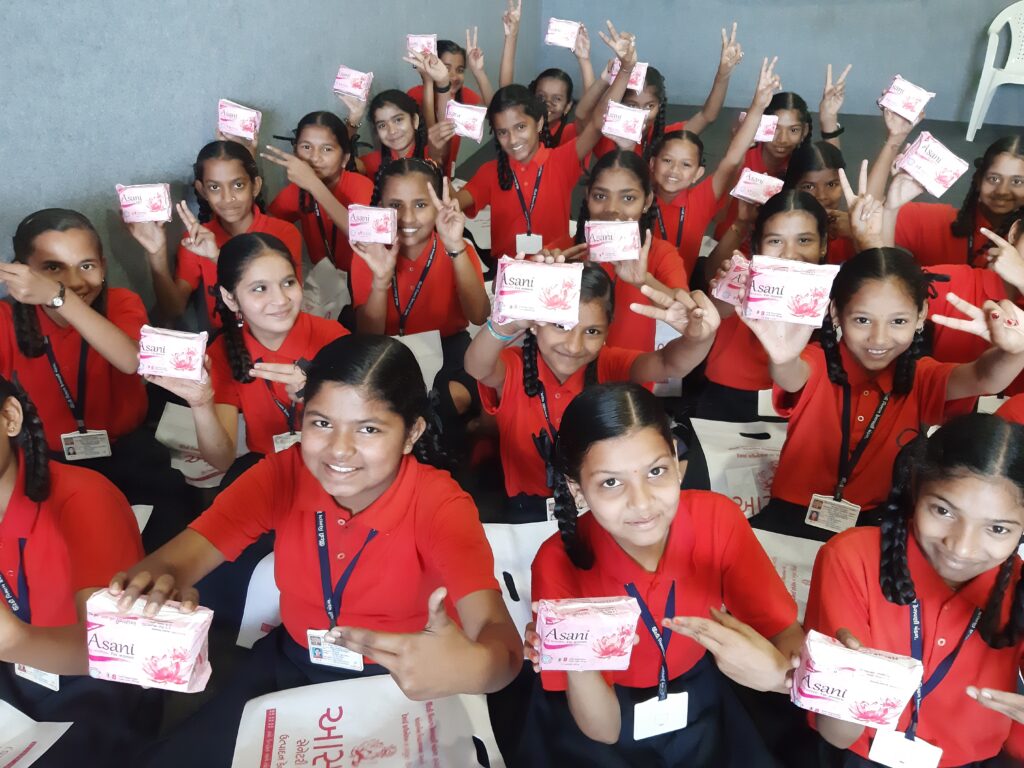
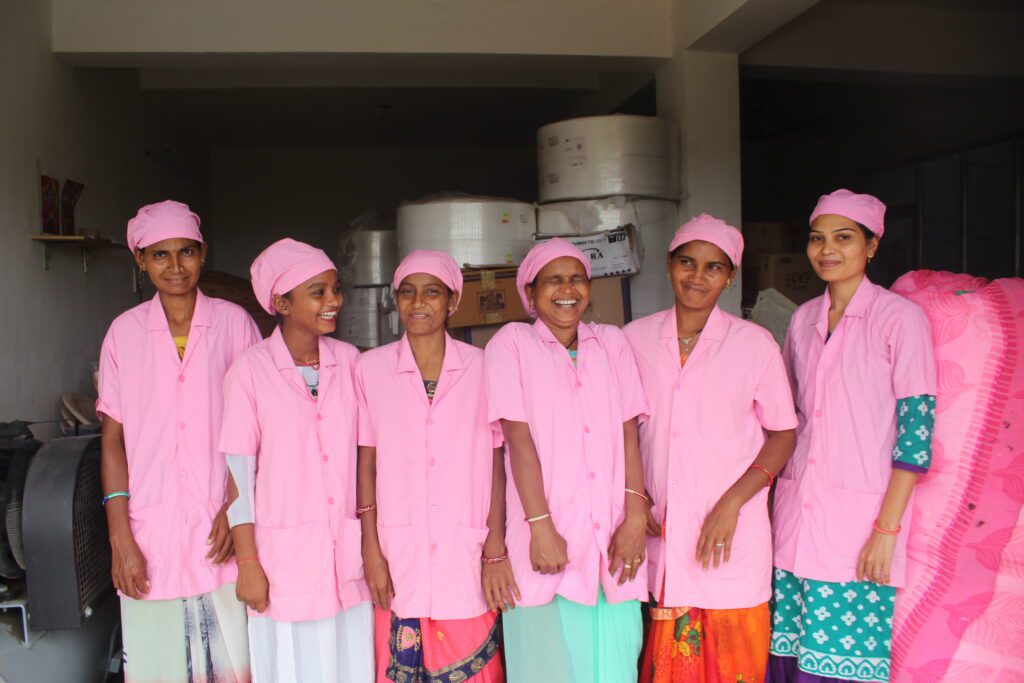
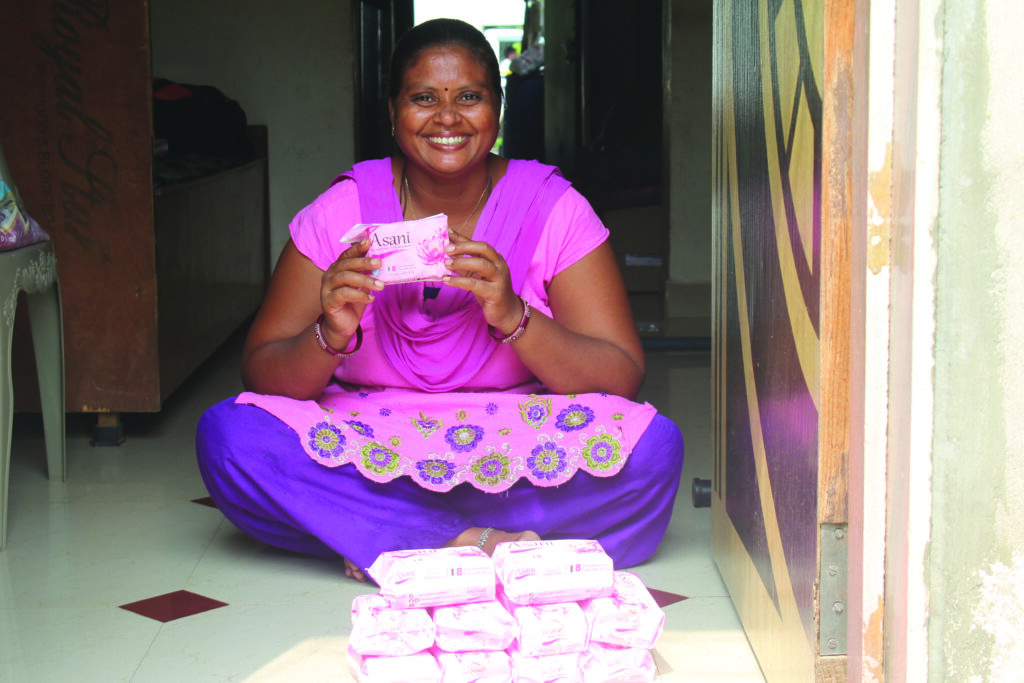
Organizations like the Desai Foundation have seen this impact firsthand. For nearly 15 years, the Desai Foundation has worked across 8 states in India to advance menstrual health through community-led programs such as the Asani Sanitary Napkin Program, reaching women and girls with both access and education. This work has consistently shown that when menstrual health is addressed holistically, through products, awareness, and community engagement, girls are better equipped to stay in school and pursue their goals with confidence.
Why This Moment Matters and Why the Work Must Continue
This ruling is a powerful validation of years of advocacy, research, and grassroots effort by MHM organizations across India. It affirms what practitioners and communities have long known: menstruation should never be a barrier to education or a source of shame, fear, or exclusion.
Importantly, this decision reinforces the constitutional protections embedded within Article 21, which guarantees the Protection of life and personal liberty. By interpreting menstrual health access as integral to dignity and equality, the Court has expanded the practical meaning of fundamental rights for millions of girls.
At the same time, this moment underscores why sustained commitment to menstrual health remains essential. Policy creates the framework, but funding, partnerships, and long-term implementation are what bring change into classrooms and communities. Over the years, investments in MHM initiatives have helped lay the groundwork for this progress, demonstrating that meaningful change requires time, consistency, and collaboration.
For diaspora leaders, philanthropists, and business innovators, this ruling represents an opportunity to align capital and expertise with a clear national mandate. Public-private partnerships, impact investment, and strategic philanthropy can accelerate implementation and ensure equitable reach across rural and urban communities alike.
At the Desai Foundation, this ongoing commitment has meant building trust within communities, improving access in underserved areas, and addressing stigma alongside infrastructure. As India moves closer to the finish line on menstrual equity in schools, it is positioned to demonstrate how investing in girls strengthens human capital, drives workforce participation, and contributes to long-term GDP growth.
What Comes Next
First, the ruling must become a law and the law must be implemented to uphold the integrity of the ruling. As implementation begins, the MHM community will be watching closely how this decision is translated into action. Key questions remain: How will menstrual products be distributed equitably across regions? Will school bathrooms be upgraded to ensure privacy, cleanliness, and safety? How will teachers and administrators be supported to foster environments free from stigma and harassment?
Organizations like the Desai Foundation, Case for Her, PadProject, Capital M, and more, are eager to support and complement these efforts, drawing on years of experience to help ensure that solutions are practical, inclusive, and responsive to girls’ lived realities. True success will be measured not just by policy compliance, but by whether girls feel safer, more confident, and more empowered in their schools.
A Moment to Celebrate, and to Lead
This ruling is a milestone for India and a powerful reminder of what is possible when people continue to fight for what they know is right. It shows what can happen when girls’ needs are centered, when lived experiences are taken seriously, and when advocates refuse to accept inequity as inevitable. Progress like this does not happen overnight, but rather built through years of persistence, evidence, and belief in what should be. Menstrual health has always been about more than products. It is about dignity, opportunity, and trusting girls with the futures they deserve.
For organizations like the Desai Foundation, this moment affirms what years of work in menstrual health have already shown: when girls are supported, systems change. But this ruling is not a finish line. It is a signal to go further, to invest more boldly, to scale what works, and to ensure that this ruling reaches every girl.
For the global Indian community, this is a defining opportunity to engage, not only as observers of India’s progress, but as partners in accelerating it. India now has the opportunity to lead the world toward zero menstrual inequity and stigma. The question is not whether it is possible, but whether we will collectively rise to meet it.
About the Desai Foundation
The Desai Foundation is a nonprofit organization that empowers women and children through health, livelihood and menstrual equity programming across 8 states in rural India. The Desai Foundation’s theory of change is grounded in transformational systems change by co-creating opportunities for growth and holistic development without leaving any woman or children behind. Click here to get involved and support the efforts of the Desai Foundation’s work in menstrual health.