
In the early stages of my professional life, I was immersed in the structure and scale of global business. My career began with assignments in technology leadership and financial services, first on Wall Street and later across Asia Pacific, where I led regional strategy and operations for large corporations. I was, by most measures, successful. Yet, I found myself gradually leaning away from personal achievements and toward the pursuit of meaning.
The Birth of RuralShores: Where Purpose Met Potential
By 2008, I had reached a decision: to turn away from what I had known as the “life of business” and instead commit myself to the “business of life.” I left the comfort and certainty of corporate leadership and returned to India, where I was born and educated with the hope of building something that would endure beyond market cycles and business outcomes.
The inequities I witnessed in India’s rapidly growing services sector were deeply troubling. Young men and women from rural areas were migrating to cities for entry-level jobs in business process outsourcing, often leaving behind families, communities, and a way of life. Many endured substandard living conditions and little upward mobility. The talent was evident; the opportunity was not.
In response, I founded RuralShores in 2009. Our premise was straightforward: bring jobs to the villages instead of forcing the youth to leave them. We began with modest means, but our resolve was clear. Over the last 15 years, we established 14 IT/BPO delivery centers across nine states, offering digital careers to more than 25,000 rural youth in their own communities. These individuals, many of whom had never considered themselves “professional” in any sense, were now processing transactions, taking calls for global corporations, receiving benefits, gaining respect, and contributing to their families and communities.
PeopleShores: Unlocking the untapped talent in underserved communities
RuralShores grew not only in scale but in recognition. Our work was studied by Harvard and Oxford, referenced in the Wall Street Journal and New York Times, and highlighted at a Vatican-hosted forum on Impact Sourcing. It was humbling but also affirming: we had proven that inclusion and excellence could coexist in business.
However, my journey was not yet complete. While India was my birthplace, the United States had long been my second home. It was there that I had first built my career, and it was there that I now felt called to replicate the model we had pioneered in India.
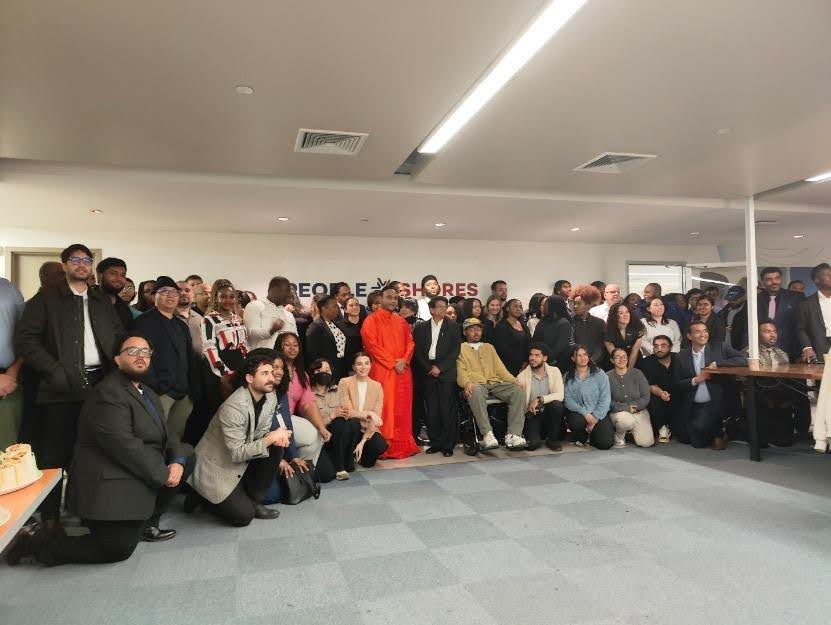
In 2017, I launched PeopleShores, a U.S.-based public benefit corporation with a singular mission: to create dignified, technology-enabled employment for individuals from economically marginalized backgrounds. Inspired by the ancient Indian philosophy of “Vasudhaiva Kutumbakam”, which means “the whole world is one family”, PeopleShores extends the spirit of caring for one’s family to the global community. This philosophy is reflected in our guiding motto: “Love All. Serve All.”
We began our U.S. journey in San Jose, California, a city synonymous with innovation, but also home to tens of thousands of disconnected youth. These young adults, often burdened by poverty, trauma, or systemic neglect, held untapped potential.
At our San Jose center, we offered training in areas such as robotic process automation and AI-driven services. Some of our earliest employees were navigating challenges such as homelessness, neurodiversity, or post-incarceration reintegration. Through a mix of patient mentoring and high expectations, we saw remarkable progress. Skills were built. Confidence followed.
Choosing the most challenging path to test the most powerful idea
I knew that to truly test the resilience and relevance of the PeopleShores model, we needed to take it beyond the coasts. So rather than settle in the Bay Area, New York, Seattle or any big city, my family and I chose to move to Clarksdale, Mississippi, a small town in the Mississippi Delta, rich in culture but ranked among the poorest regions in the United States. We believed: if our model could work here, it could work anywhere.
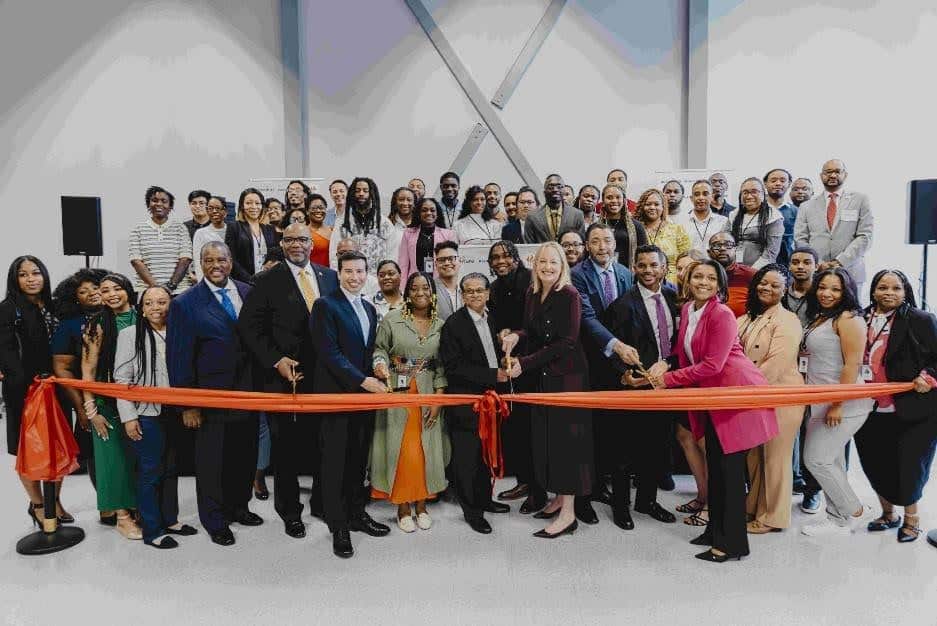
In Clarksdale, we partnered with local leaders, including the Coahoma County Economic Development Authority, and opened our second PeopleShores center. In our first hiring cohort, 26 individuals completed intensive training, many earning certifications in advanced automation. More importantly, they earned dignity and a path forward. Since its commencement six years ago, this center pulled nearly 200 families from the cycles of generational poverty.
Stories, Not Stats, Define Our Success
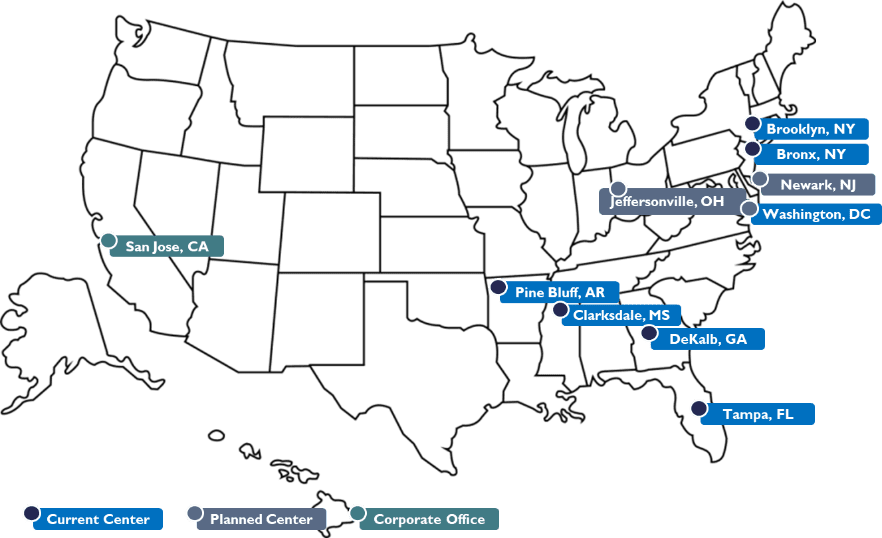
Today, PeopleShores operates seven centers across multiple U.S. states and employs hundreds. We continue to scale responsibly. We measure success not merely in headcount, but in stories: A victim of domestic violence, from living in a shelter home to owning a condo after becoming a successful RPA Leader, from driving an Uber to becoming a Senior Software Engineer delivering services to a bulge-bracket investment bank, from being an unemployed single mother to a successful process manager, and so on. Every one of the 300+ employees have a story to share.
Our work is not charity. It is commerce, approached with conscience. We seek to serve clients with excellence, and communities with integrity. As we move forward, our goals remain clear: to open centers in each state, to deepen our service offerings, expanding to emerging technologies, and to offer sustainable livelihoods where they are most needed.
I remain grateful to the many colleagues, partners, and community leaders who have walked alongside us. Our mission is ambitious, but it is shared. And it is only through collective will that we will continue to widen the circle of opportunity.