The Journey from Silence to Leadership
July 15, 2026
Growing up, I carried two identities that the world often saw before it saw me. I was an orphan, and I was living with HIV. Neither of these were choices I made, yet they shaped almost every part of my childhood. I spent most of my early years in a child care institution, where I often wondered what my future would look like once I stepped outside its gates. While other children spoke about their families and dreams, I found myself asking questions that no child should have to ask: Who would support me? Would society accept me? Would I ever have the opportunity to live a life beyond the labels attached to me?
Living with HIV was about much more than taking medication. The greatest challenge was the stigma that surrounded it. I learned early on that people often feared what they did not understand. Conversations about HIV were filled with misconceptions, and many young people like me felt pressured to remain silent about a reality that was already difficult to carry. There were moments when I felt isolated, not because I was alone, but because I rarely met others who truly understood what I was going through.
As I grew older, I began meeting other young people living with HIV and youth transitioning out of child care institutions. Their stories sounded remarkably similar to my own. Many were struggling with their mental health. Some were worried about continuing their education, while others were searching for jobs and stable housing. Almost all of them carried a deep fear of being judged or rejected because of their HIV status. Despite their resilience and potential, they were often defined by their challenges rather than their strengths.
The turning point in my life came when I realized that these challenges were not mine alone. Across Rajasthan and throughout India, there were thousands of young people facing the same barriers, yet very few spaces existed where they could find support, build leadership skills, and connect with others who shared similar experiences. I realized that if the support system we needed did not exist, perhaps we needed to create it ourselves.
In 2023, together with fellow care-leavers and changemakers Kushal Gour, Dharmendra Singh, and Rahul Kumawat, I helped establish Positive YUVA Network Association. We did not begin with large resources, a sophisticated office, or extensive funding. What we did have was lived experience. We understood the challenges faced by orphaned youth and young people living with HIV because we had lived through them ourselves. We knew the loneliness, uncertainty, and stigma. More importantly, we knew that things could be different.
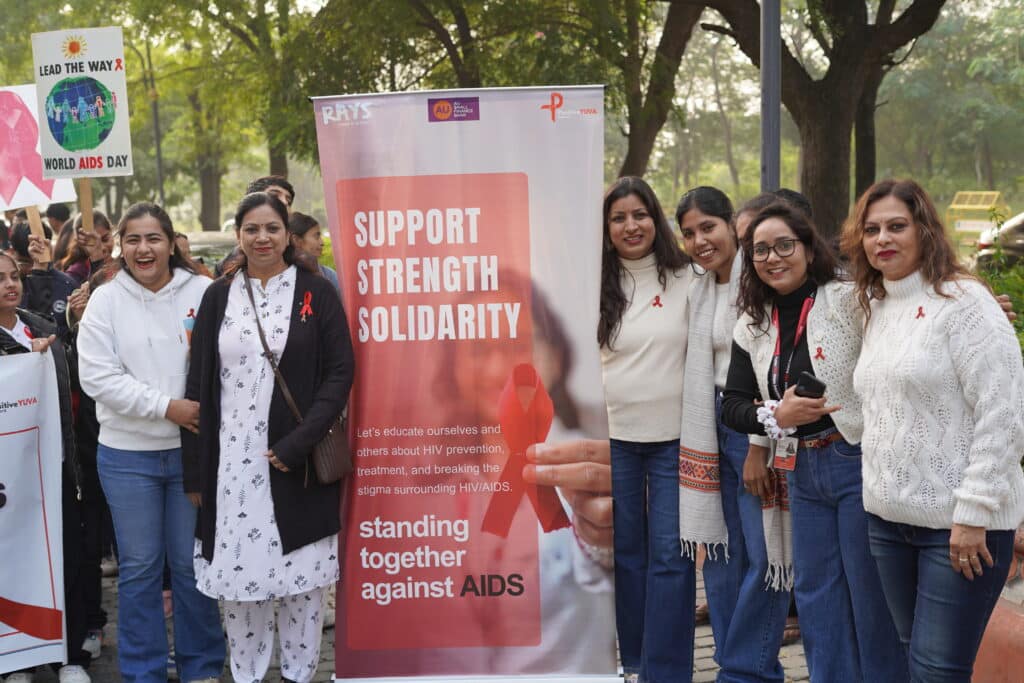
Positive YUVA Network was built on a simple but powerful belief: young people living with HIV deserve more than survival, they deserve opportunities to lead, thrive, and shape their own futures. From the very beginning, we wanted to create an organization where young people were not seen as beneficiaries, but as leaders capable of driving change in their communities.
Over the past year, our journey has taken us across Rajasthan, where we have worked with young people living with HIV, orphaned youth, and other marginalized communities. Through leadership training, mental health support, peer mentoring, life-skills development, and advocacy initiatives, we have created spaces where young people can speak openly about their experiences without fear of judgment. For many participants, it was the first time they met someone who truly understood their journey.
When people ask me about the impact of Positive YUVA Network, I do not immediately think about numbers or statistics. I think about the young woman who once believed her HIV status would prevent her from finding employment and who now confidently attends job interviews. I think about the young man who struggled with isolation and depression but now serves as a peer supporter for others in his community. I think about the youth who arrived at our programs quietly and uncertain, only to leave with the confidence to speak publicly about their experiences and aspirations.
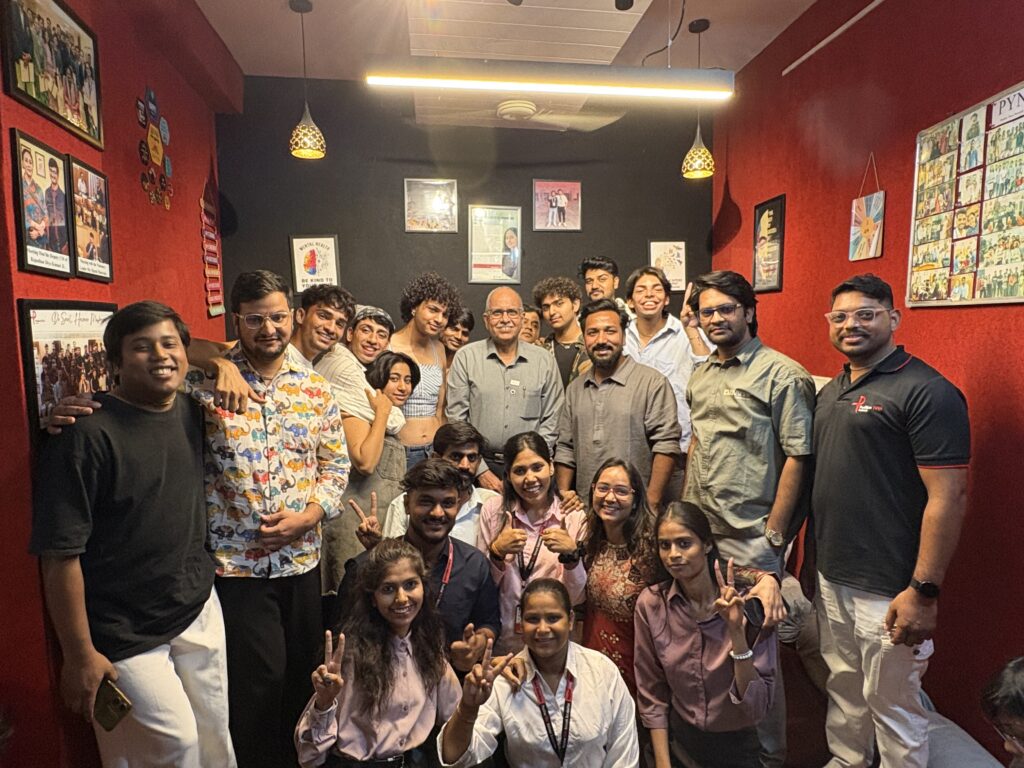
One of the initiatives I am most proud of is our Creating Leaders Programme, which was designed to empower young people living with HIV to become peer leaders and advocates. Through this program, participants gain knowledge about mental health, treatment adherence, communication skills, leadership, and community engagement. More importantly, they begin to recognize their own potential. Watching young people transform from feeling invisible to becoming confident leaders has been one of the most rewarding experiences of my life.
As our work expanded, we also recognized that many young people face multiple forms of marginalization. In addition to supporting youth living with HIV and orphaned youth, we have increasingly worked alongside LGBTQIA+ young people who often experience stigma and exclusion from multiple directions. Our vision has always been broader than HIV alone. It is about dignity, belonging, and ensuring that every young person has the opportunity to build a meaningful and fulfilling life.
Today, Positive YUVA Network is still growing, but the impact we have witnessed has strengthened our belief in what is possible when young people are trusted, supported, and empowered. Every conversation, every training session, every young person who discovers their confidence reminds us why this work matters. We are not simply addressing challenges; we are helping young people reimagine what their futures can look like.
When I reflect on my own journey, I think about the young girl who once questioned whether she belonged in this world. If I could speak to her today, I would tell her that her story was never a weakness. It was her strength. I would tell her that one day she would help build a movement led by young people who refused to let their circumstances define them. Most importantly, I would tell her that hope can emerge from even the most difficult beginnings.
The future we envision is one where every young person living with HIV, every orphaned youth, and every marginalized young person has access to opportunities, support, and leadership pathways. We envision a future where stigma is replaced by understanding, where vulnerability is transformed into strength, and where lived experience becomes a catalyst for change. Through Positive YUVA Network, we are working every day to make that future a reality.
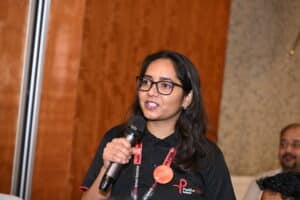
Manisha Goswami is the Co-Founder of Positive YUVA Network Association, a youth-led organization working to empower young people living with HIV, orphaned youth, and LGBTQIA+ youth across India. Having spent much of her childhood in institutional care and drawing from her own lived experience, Manisha is passionate about creating safe spaces, strengthening youth leadership, and ensuring that marginalized young people have access to opportunities, dignity, and a voice in decisions that affect their lives. Through her work, she advocates for a future where every young person can move from survival to leadership and from stigma to hope.