
“Potka, you have a choice. You’re going to be a doctor.”
I stared at my parents. They couldn’t be serious.
For ten years, I had watched them sacrifice everything so I could become a musician. In my parents’ hometown of Kolkata, ten thousand Bengalis had watched me play Vivaldi, then sung along as I played the Rabindra Sangeet I had learned from the cassette tapes my father brought home from India.
“Boro asha kore eshechhi go, kache deke lao…”
“I have come with great expectations, Mother. Call me close.”
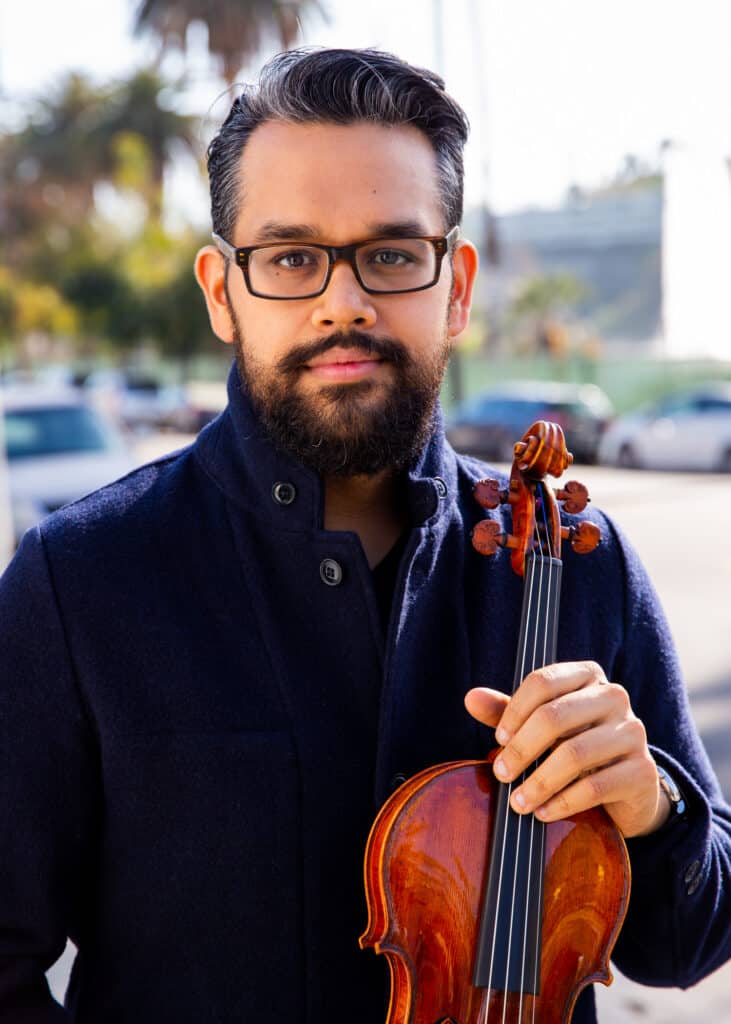
I was thirteen, studying biology pre-med at one college and violin performance at another. I told myself pre-med was a backup, something to make my mother happy. But I believed my real life would be onstage, playing the violin.
What I could not understand at thirteen was why my father needed me to become a doctor.
Part of the answer was the year itself. In 2001, Dad’s travel business was crumbling under the pressure of online booking sites like Priceline. After 9/11, brown men in America became suspect in a new way. Sikh uncles who had been among his best clients were beaten outside their gas stations. Dead raccoons began appearing on our front lawn. My father covered our Nissan Sentra with six American flag stickers, as if each one might protect us, as if they could announce: this Desi family loves America.
My father believed in America the way other men believe in God. He wanted for his sons a safety he had never been given.
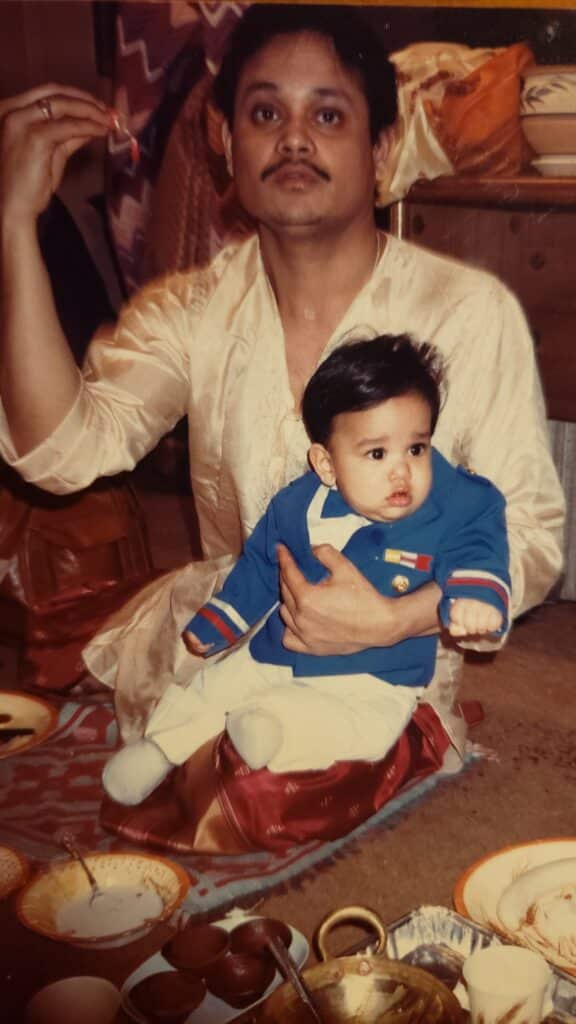
He had come to New York with nothing, hauling suitcases at the airport as a porter, and made himself into a man whose name once ran across a Calcutta newspaper in block letters. He had done it by walking toward everything that terrified him: closed doors, an unforgiving language, the possibility of failing in front of everyone who had warned him not to leave.
Then, having survived all of it, he tried to give me the opposite of what had made him.
He wanted to spare me the fear that had shaped him. But the safe life he prescribed was also a kind of hiding. And my father, for all his fear, had never hidden from anything.
I said no.
In thirteen years of being a dutiful, first-born son, I had never once dared to refuse them. But this time, I chose the violin.
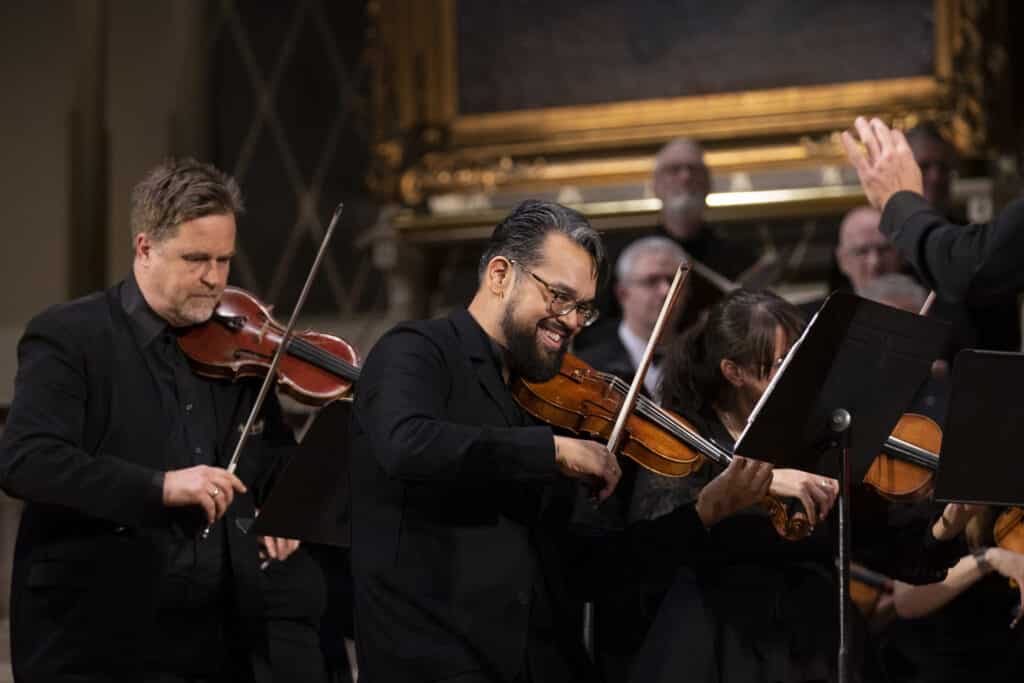
It was the first refusal of many. Years later, I won a job in the Los Angeles Philharmonic and made a life three thousand miles from home. I chose work my parents could not understand, and love they could not bless. Each choice moved me farther from the life they had imagined, and closer to the person I was becoming.
Eventually, the distance became a breach. My parents cut me off. They told me to stop using their name. They told me never to call myself their son again.
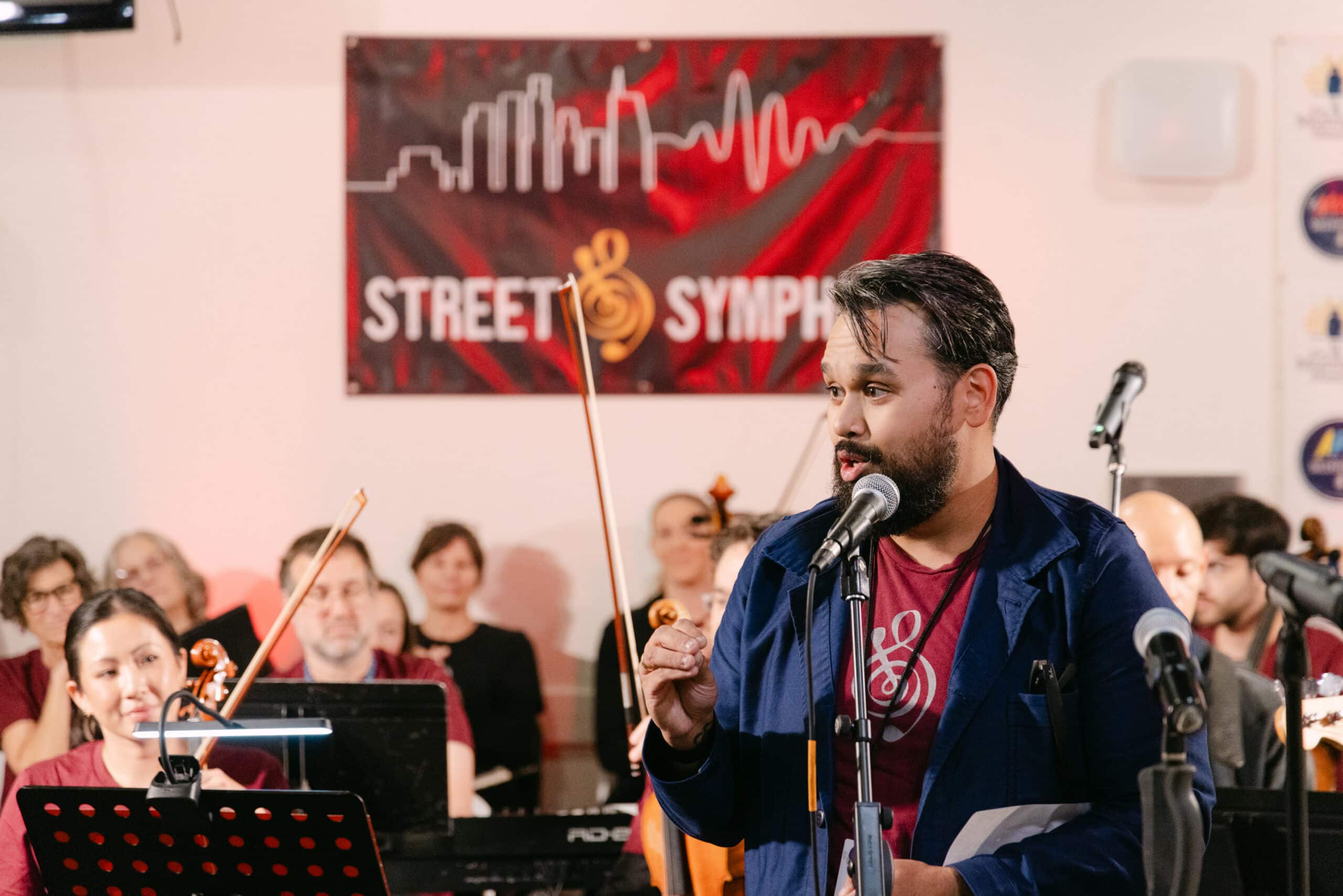
I went on to make music in shelters, on sidewalks, in jails, and in hospitals — places where poverty, addiction, illness, incarceration, and indifference had narrowed people’s lives.
My father never asked much about that work. When he heard of it, he could not find the point. No one had come to save him. Why should his son spend everything he had been given on people America had already decided not to see?
When I began making music on Skid Row, my father said I was wasting my time.
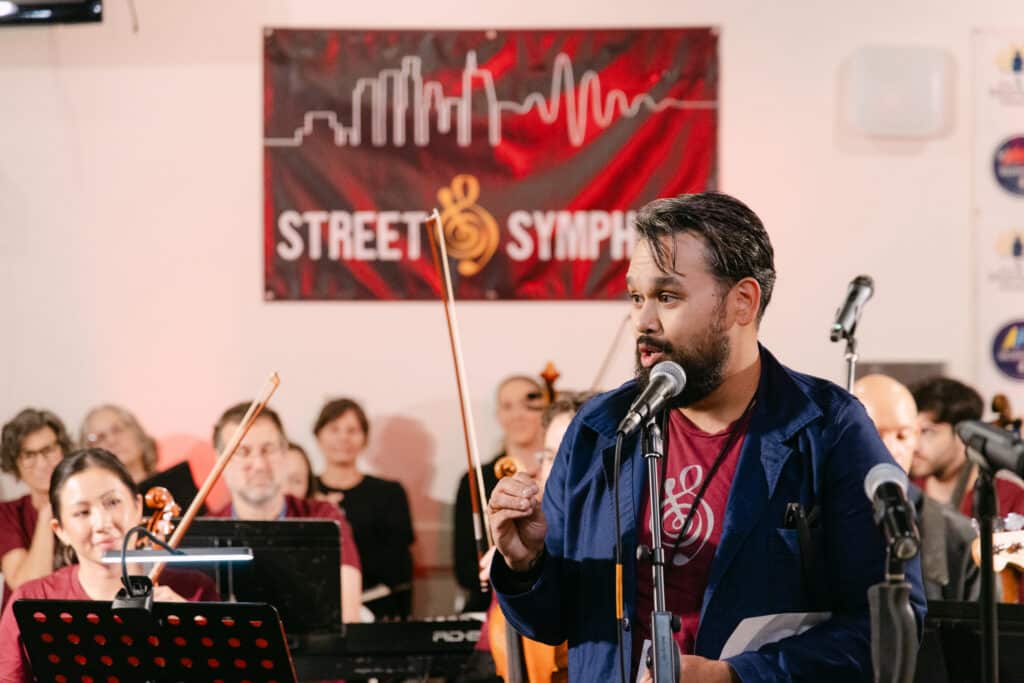
But what he called waste, I understood as seva. It was the lesson I had taken from the Gita and from Swami Vivekananda: that service to God begins in service to people, and that no life is beyond the reach of the divine.
For years, I understood my father’s rejection as the cost of disobedience. I understand it differently now. It was also an inheritance.
What he gave me, though neither of us knew it then, was the nerve to walk toward uncertainty. Had I become the doctor, I might have fulfilled his wish. But I would not have carried forward his courage.
The bravest act of my father’s life was to leave everything certain for a country with no promise of welcoming him.
The only way I knew to be his son was to make the same leap: out of the life he had drawn for me, and into the life that frightened us both.
He is not here to see where it took me.
But I no longer believe I betrayed him.
Choosing the violin, choosing service, choosing the life he could not bless — this was the most faithful thing I have ever done.