What India’s First-Generation Students Do When Given Half a Chance
August 27, 2026
I’ve spent the better part of three decades studying how societies waste the talent they already have. Not intentionally, of course … but systematically. India is a good place to observe this, because the scale of both the waste and the potential is so enormous, and the distance between the two so frustratingly bridgeable.
India produces more first-generation college students than almost any country on earth. Most of them navigate systems that were never built with them in mind … and most of them do so without a map.
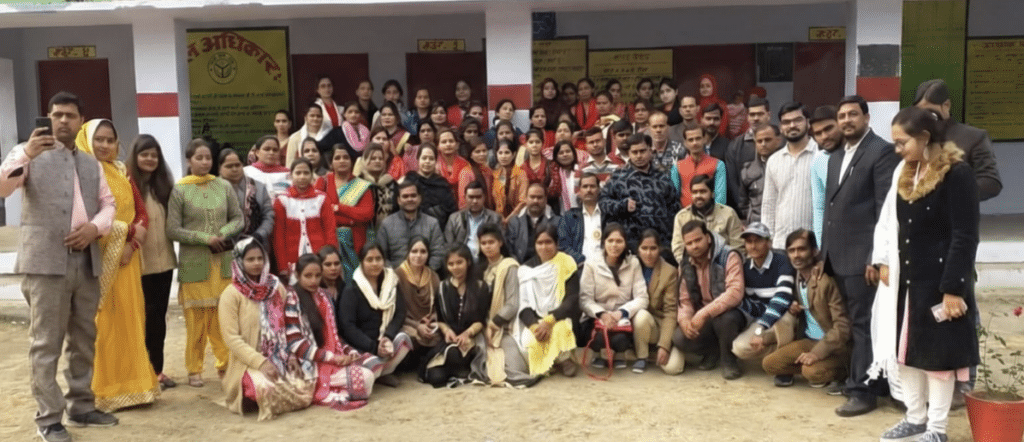
Sitapur Hospitality Skill-to-Employment Bridge Program, Suryansh MishraALP ’25, Sitapur, India
That’s what Aspire set out to change. We co-founded the Aspire Leaders Program at Harvard’s South Asia Institute in 2017, originally as a small in-person experiment, and it has since grown into something I could not have anticipated. This year, we’ll serve over 300,000 learners globally, with India as our largest and fastest-growing market, contributing roughly 25% of global applications across 28 states and union territories.
But the numbers I find most compelling aren’t the enrollment figures. They’re what students do after.
Take Probhas Dutta, an ALP alumnus from Thrissur, Kerala. After completing our program, he didn’t simply look for a job … he went and designed one. His initiative, Youth Skill Connect, runs structured career awareness sessions and skill-building workshops for students from underprivileged and non-urban backgrounds … the very students most likely to be left behind by India’s rapid economic growth. Early results show participants reporting sharper clarity about career paths and, perhaps more importantly, the confidence to pursue opportunities beyond what they’d originally thought possible for themselves.
Or Suryansh Mishra from Sitapur, Uttar Pradesh, who created a hospitality skills program specifically for rural women, a group that faces compounded barriers to employment. Thirteen completers so far, with certificates and practical skills. Fifteen hotels in Naimisharanya now staffed, at least in part, because of him. Modest numbers, perhaps, in absolute terms … but not if you are one of those thirteen.
What economists call “revealed preference” matters here. When students finish a free, demanding nine-week program and then voluntarily return to build something for their communities, rather than simply use the credential and move on … that’s a credible signal of real transformation. They’re voting with their time.
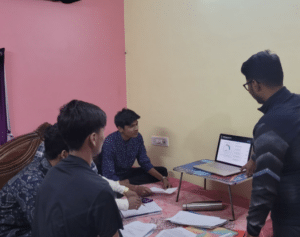
Youth Skill Connect, Probhas Dutta ALP’25, Thrissur, Kerala
India’s story at Aspire is, in a sense, a microcosm of the larger argument I’ve been making for three decades: talent is distributed across geographies and income levels far more evenly than opportunity is. We have 17,500 alumni across India. 150 of them are now active volunteers. 97 community action projects have been launched. These are not rounding errors … they’re evidence of what happens when you remove friction between ambition and access.
The challenge, of course, is scale. India needs this at a level of 100x what we’ve achieved so far. That requires not just a program but an ecosystem. Corporate partners willing to offer internships and mentorship, government partners opening university channels, a funding architecture that treats investment in human capital as the strategic asset it is, not merely a CSR line item.
We’re building toward that. It won’t happen in a straight line … it rarely does. But I’ve learned to trust the students. Probhas and Suryansh are not outliers … they’re the signal.
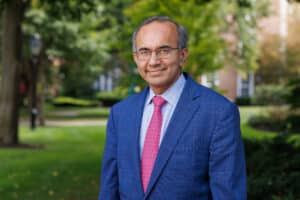
Tarun Khanna is the Jorge Paulo Lemann Professor at Harvard Business School and co-founder of Aspire Institute, a global nonprofit serving first-generation, limited-income university students in over 190 countries. He has spent three decades studying entrepreneurship and economic development across emerging markets.