My cousin Aarti was born eight days before me.
We grew up together, and as far as I can remember, she was simply my cousin, my friend and a part of our family. We listened to music, played on Juhu beach and laughed at the same cartoons on TV. I never really thought of Aarti as “disabled”, nor did I think she should be treated differently. It was only as I grew older that I began to understand that the world outside our family did not always see her as we did.
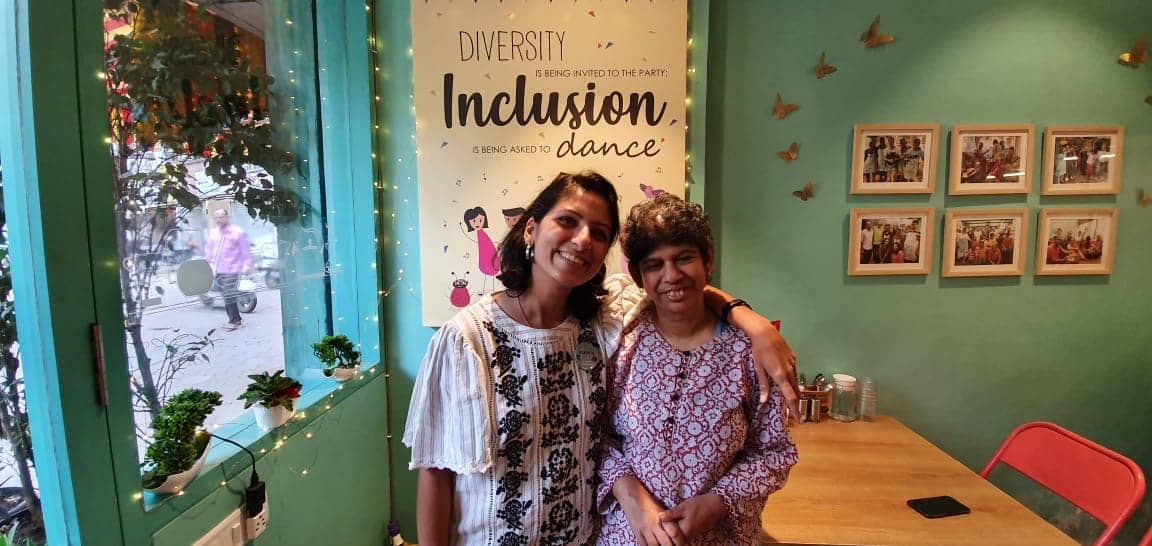
Aarti is autistic. Her mother, my aunt, Dr. Sushama Nagarkar, has always been her biggest champion. I can only imagine the challenges she faced of watching Aarti and me grow up together while reaching developmental milestones at different times.
Their family moved to the US for 15 years when Aarti was still young, believing it would offer her better opportunities for care and support. After special school, Aarti worked in a sheltered workshop. While it provided a routine and a place to work, it was a segregated environment. She wasn’t really part of the wider community or given the same opportunities for meaningful participation that many of us take for granted.
Sushama always wanted to return to India, and the family did so in 2013. With her academic background in psychology and a doctorate in special education, she was well placed to address the limited or lack of inclusion in our community. That was the beginning of Yash Charitable Trust (YCT); founded in 2014, with a vision for every neurodivergent adult to live, work and belong in the community of their choice, with dignity, independence and respect.
I became a trustee, initially taking on the part-time responsibility of setting up YCT’s social media and marketing. We wanted our communication to enable people to see that neurodivergent individuals as human beings first, emphasising that disability does not define a person.
Our work centred on three pillars: inclusion, empowerment and acceptance. We also championed self-determination — the right of our team members to make decisions for themselves, with appropriate support and guidance.
In 2015, we launched the Arpan Dabba Service, our first supported employment initiative. We started with just five people, (not including Aarti who initially chose to work at a local sheltered workshop). Over time, the team grew (Aarti joined the kitchen team), and eventually we reached a point where there simply wasn’t enough space to accommodate everyone who wanted to join. What could we do next?
The answer became Café Arpan.
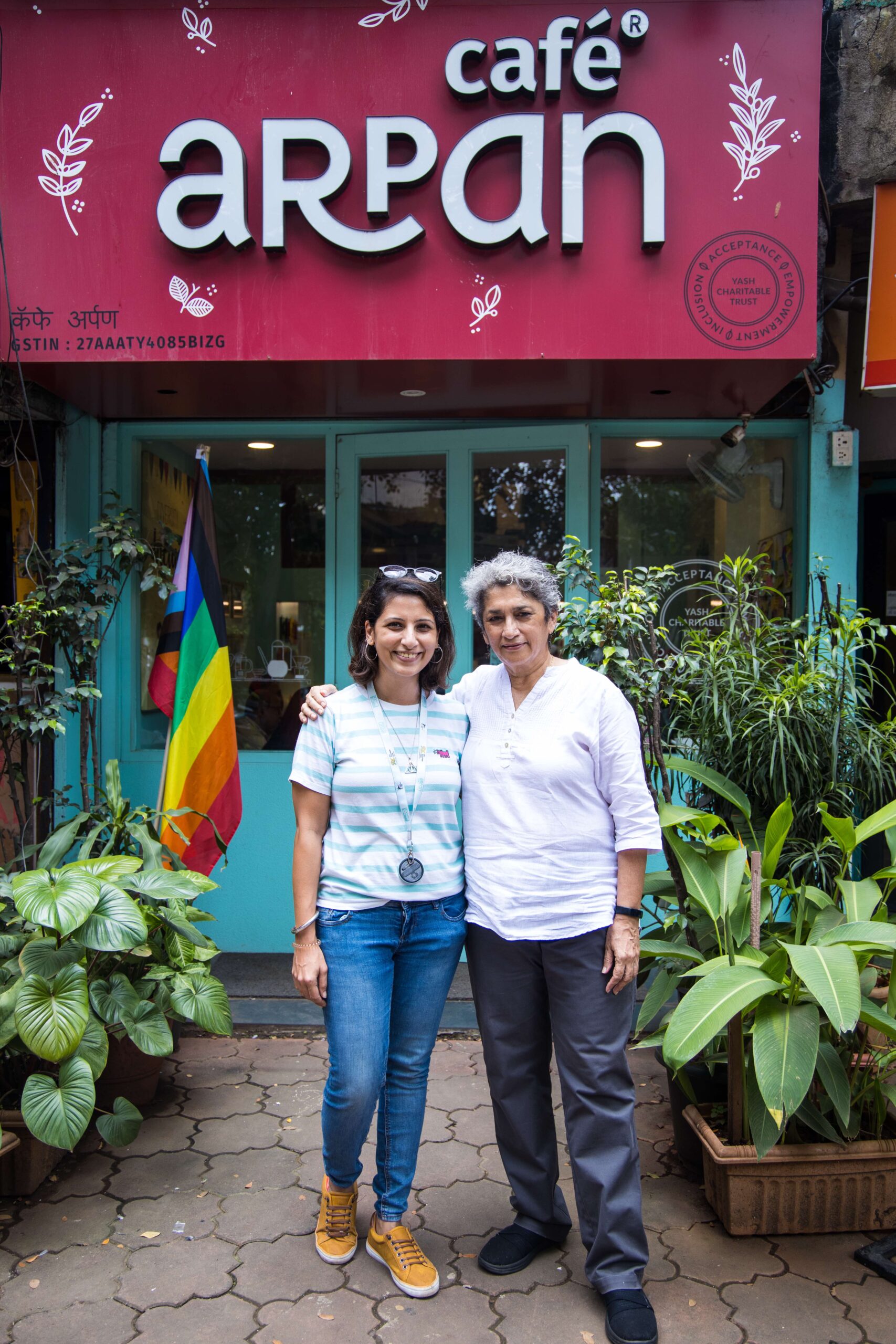
I had been working in music and the performing arts, a career I loved. But in 2017, I decided to leave my full-time job and dedicate myself to YCT and our dream for Café Arpan.
We wanted to create an inclusive workplace where our team members could interact with the community rather than work behind the scenes. We wanted customers to visit because they fancied a coffee, sandwich or good meal — not because they were doing a “good deed”. Inclusion, to us, meant making it part of everyday life.
Café Arpan opened in Mumbai in August 2018.
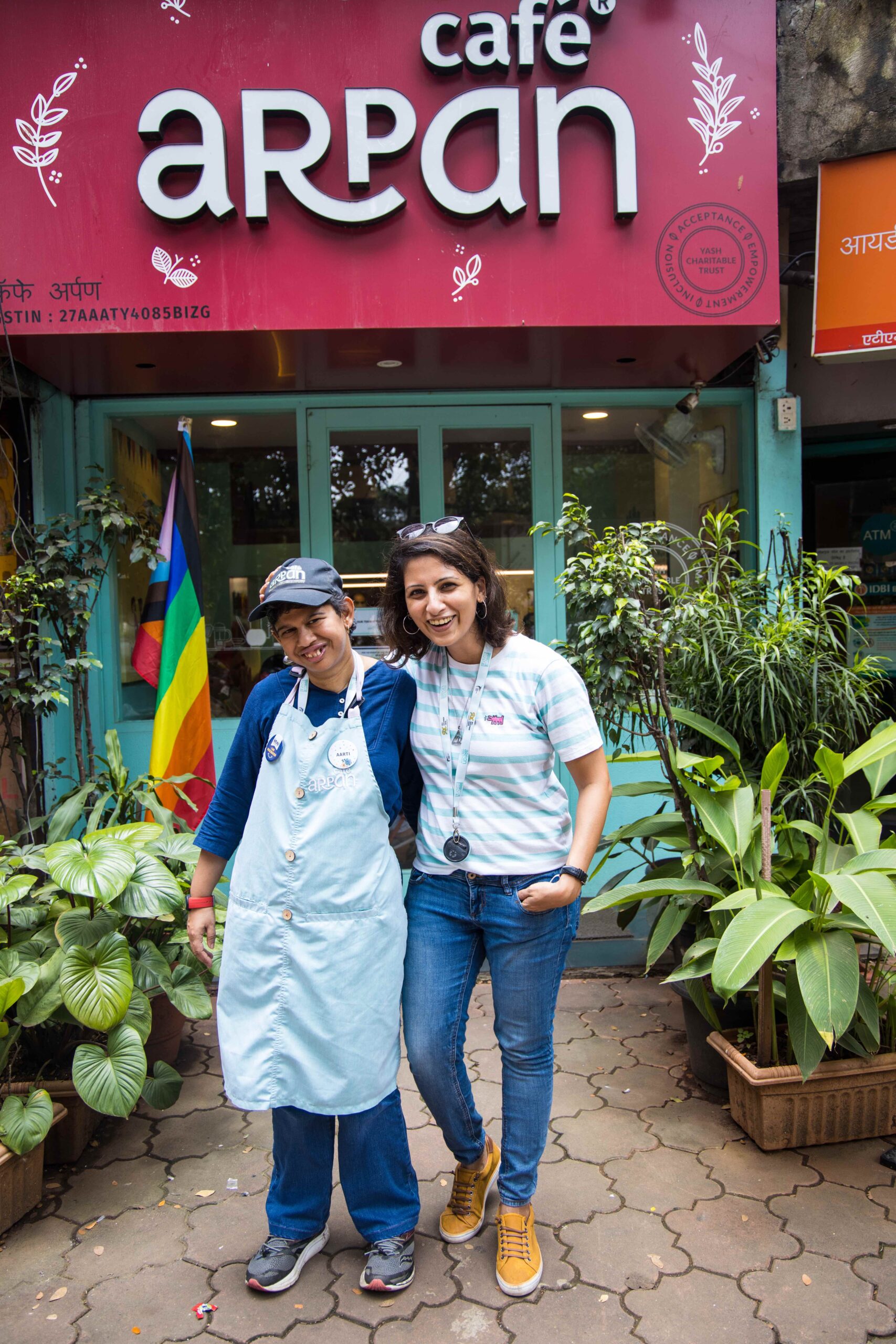
The response just within the first few weeks was overwhelmingly positive. People loved us. I was there almost everyday talking to a wide variety of folks – engaging in conversations that were a first for many. Eight years on, our team is still proudly providing our community a unique and warm experience. I have lost count of the number of customers who have complimented Aarti for her big smile and her enthusiastic, melodic: “Welcome to Café Arpan! Please have a seat!” as she greets them at the door.
We have consciously worked to make Café Arpan inclusive on multiple levels, with wheelchair access, Braille menus, a progressive pride flag and a pet-friendly environment. For us, inclusion means creating a space where everyone feels welcome, accepted and comfortable being themselves.
Our work has continued to evolve. In 2016, we launched ASK, a vertical providing need-based, wrap-around services, including counselling and therapies. In 2019, we established our Skill Development Center to prepare more people for meaningful opportunities. We launched Arpan Bakery in 2023, and in 2026 introduced housekeeping and urban farming as additional skilling opportunities. We also expanded into corporate cafés and employment placements, alongside self-advocacy, sensitisation and awareness programmes.
At YCT, we work within a strength-based framework. We assign roles according to an individual’s strengths and abilities. We focus on the abilities. We ask: What can someone do? What do they enjoy? What are they good at? What would they like to learn? And what opportunities can we create for them?
I have seen the impact of this approach in Aarti, in our team members and their families, and in the wider community. We have also found wonderful corporate/employment partners who understand that inclusion is more than a policy on paper; it can transform a workplace.
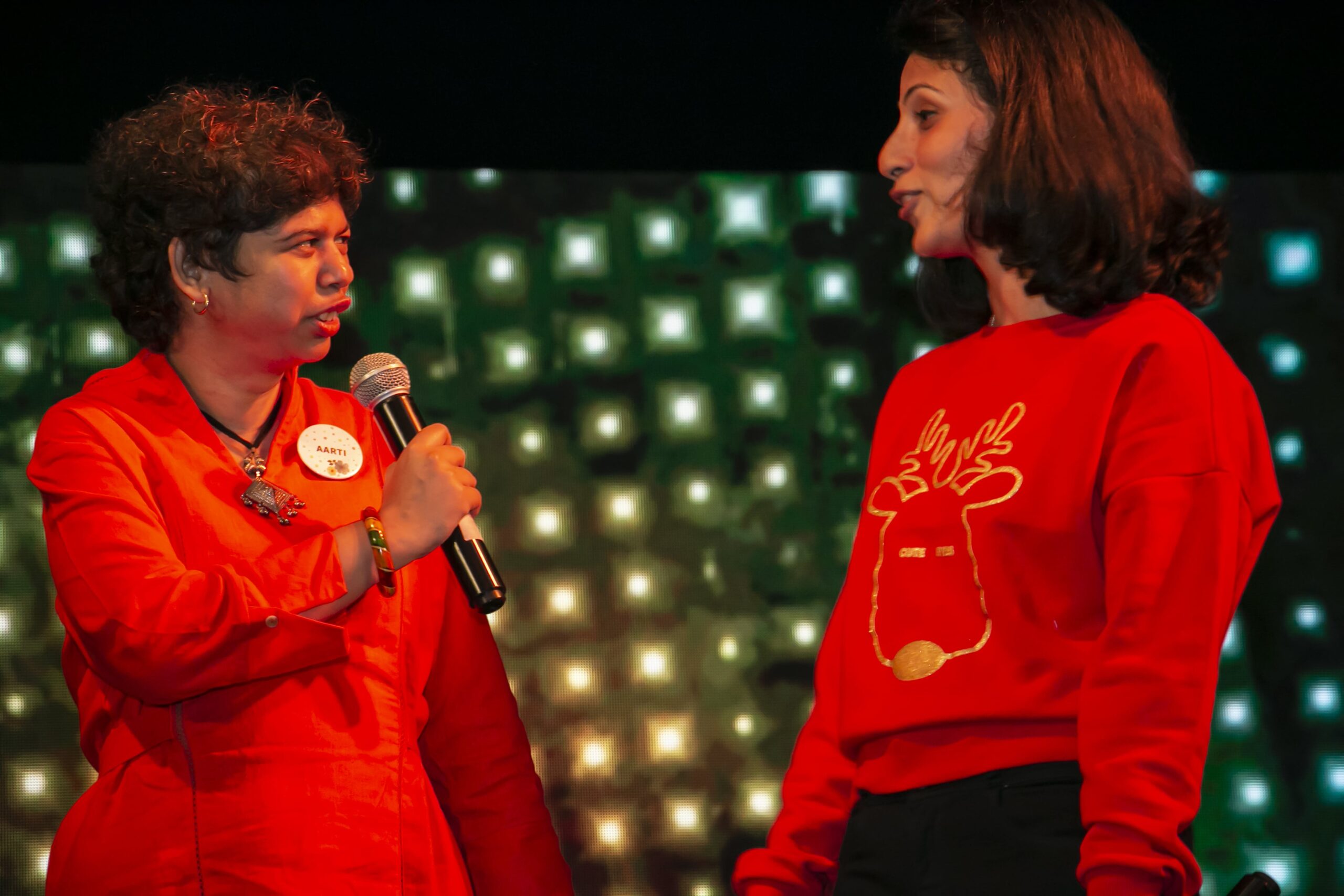
Yet organisations like ours often struggle to secure funding because our impact isn’t always easy to capture in a spreadsheet. We work with individuals, tailoring our approach to their needs. Learning to travel independently, manage money, become punctual or grow in confidence can be life-changing, but these achievements are difficult to quantify. They may not produce the biggest numbers on a CSR presentation, therefore smaller organisations like us doing deeply personal work find ourselves further down the funding list.
So, if you are part of the Indian diaspora, or simply believe everyone deserves the opportunity to live a meaningful life, I ask you to find a way to support organisations like ours.
Donate if you can. Introduce us to potential supporters. Open doors to employment or corporate partnerships. Visit Café Arpan. Share our work. Talk to your colleagues and children about inclusion. Challenge your own assumptions.
I grew up believing that Aarti was no different from me in the ways that mattered. YCT has given me the opportunity to turn that instinctive childhood belief into action — helping build a world where people are seen for who they are, what they can do and what they can contribute.
After all these years, I still believe that is work worth dedicating my life to.
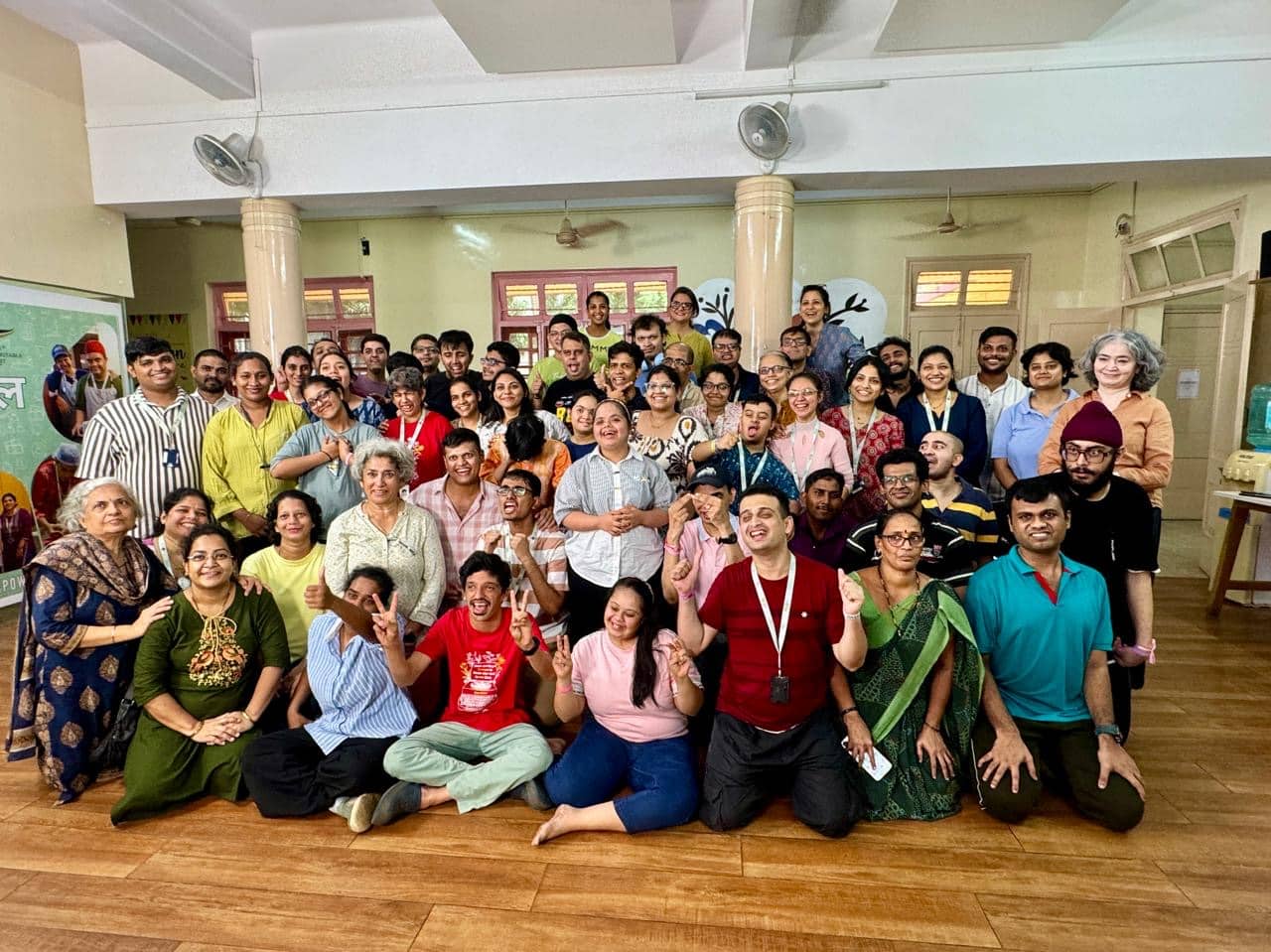
Ashaita Mahajan is a trustee and board member of Yash Charitable Trust (www.yashcharitabletrust.org), a Mumbai-based organisation working to create opportunities for neurodivergent individuals to live and work in the community with dignity, independence and respect. She has been involved with YCT since its early years and focuses on fundraising, communications, partnerships, branding and advocacy. Her cousin Aarti, who is autistic, is one of her biggest inspirations.