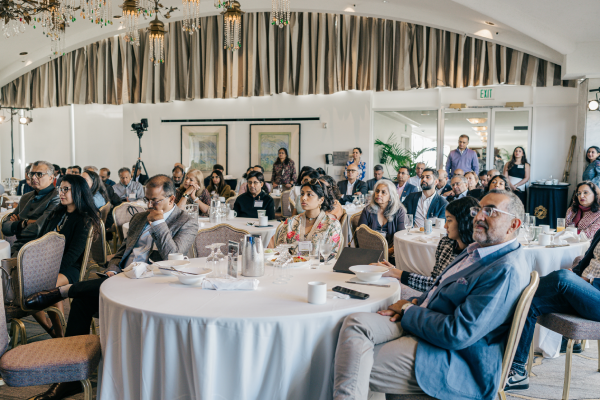
My mother tells the same stories more than once. Some assume that is age. It isn’t. She returns because returning is the pleasure: the nicknames nobody uses anymore, the town whose name has changed twice since, the way her father explained things, the way her mother cooked. She is not informing me. She is visiting.
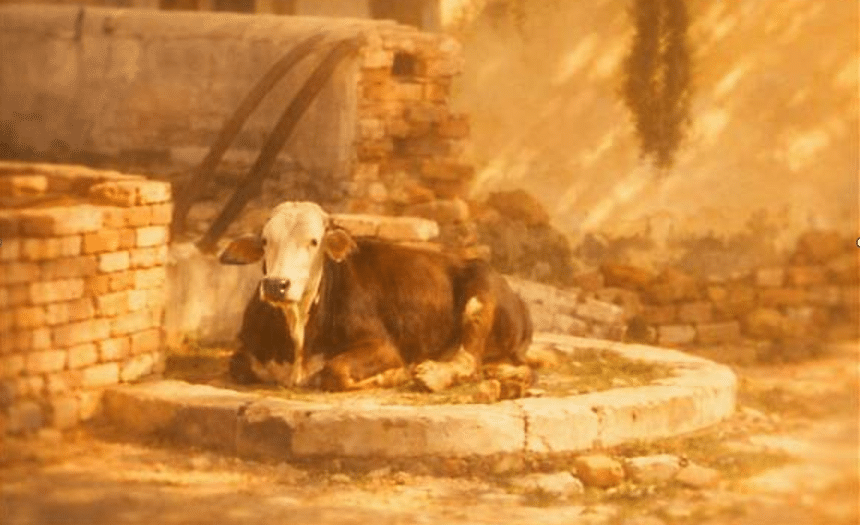
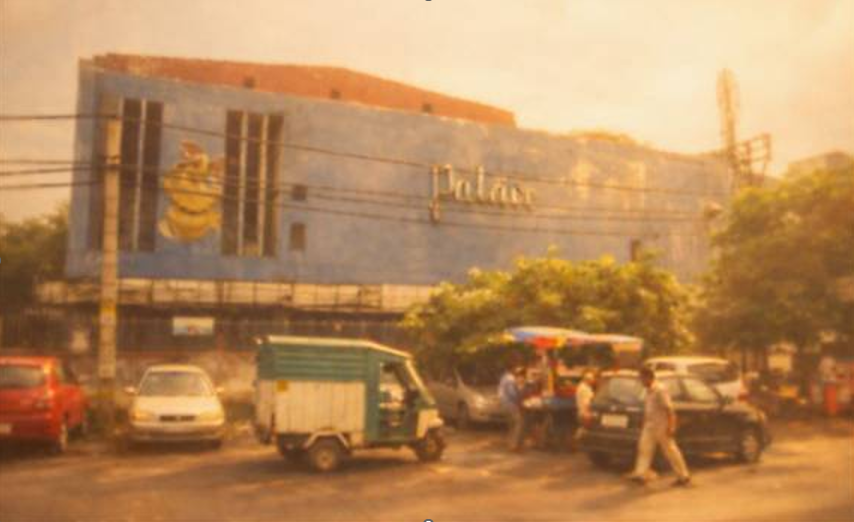
I got my own family’s stories on a charpai in the yard of our home in Delhi, during afternoons nobody scheduled or hurried. Delhi was the school year: wires overhead, auto-rickshaws nosing between parked cars. Summers were the gaun, where I can still see the bull on the brick platform by the well. Both places are in me, neither will slip out of reach of my memory. Nobody sat me down in either one to teach me anything. The values came sideways: how my grandparents spoke kindly even to a stranger, what they refused to complain about, which arguments they let go.
Those stories also gave me a starting point. A family does not change because its history gets written down. The same people left the same village and paid the same costs whether anyone records it or not. What changes is whether the next generation knows. A child who knows why the family moved, who went first, and what was given up understands how they came to be standing where they are. A story about a great-grandmother who was frightened and went anyway is not information. It is permission.
My children will not sit for an hour on a charpai. Their generation is further from its grandparents in miles and in years, and it takes in everything in small pieces, on a screen, at a moment it chooses. This is where my mother’s habit turns out to matter. A story told once is an anecdote. The same story coming back across years leaves a little more each time: first the nickname, then the name of the town, then the reason they left it. No single piece is the story, but a child who collects enough of them is holding the whole thing. That kind of retelling once came free, with shared rooms and long summers. Today it has to be built on purpose.
Most families wait instead. We assume an elder will one day write it all down, or that a holiday will come when there is finally time. From inside an ordinary afternoon nothing looks urgent, and nobody tells you which conversation was the last. Then we inherit photographs with no names on the back. My family has those. I can identify half the faces.
The elders were not withholding anything. Nobody asked.
A story surfaces when someone asks a question or says a memory out loud. “Tell me about your childhood” is an assignment nobody wants. “I remember the langurs on the roof of the school above our house” or “When did the family move to that house?” opens a door.
Some readers will think this does not apply to them. Their elders are gone, or far away, or were never the kind to talk. Then suddenly you are the elder, or soon will be. What you remember counts, including what you only heard secondhand. You may not have the dates or the full account. Set it down anyway. An incomplete story that is written gives the next generation a place to start. One that was never told leaves them not even knowing what they are missing. Does every specific detail matter? And should not knowing every detail hold back the writing of the story? No, to both.
This is the oldest work people do. Long before anyone wrote, someone painted animals and hands on the wall of a cave so that those who came after would know who had been there. Much of what we understand about human culture reached us through people who decided to be the storyteller. None of them had the whole picture. They left what they had.
I built EternalCurrent.Online on that idea: a life story is not a book, it is moments strung together. Rarely can someone sit down and write their life. Almost anyone will answer one question about one afternoon, the one moment, the one event, or the one place they visited that brought them joy.
My son Isaiah will never sit in that yard. What reaches him is whatever somebody thought to ask for and keep. Not a tribute to the old, but a provision for the young.
Call your parents. Ask them something small and specific. Record it. Then write down one of your own, for your children.
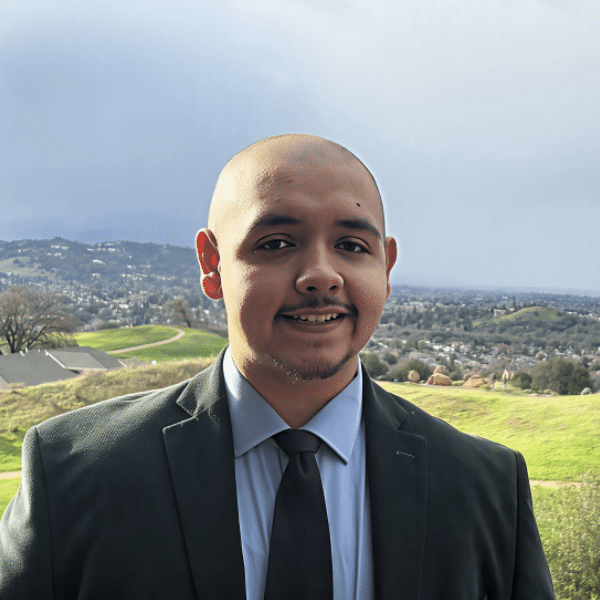
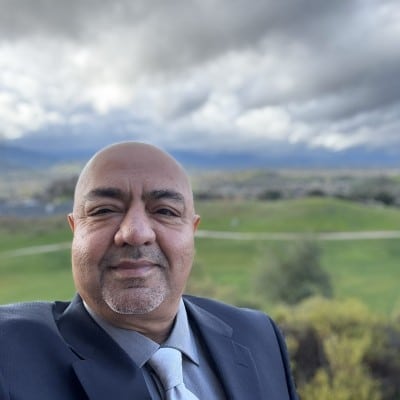
Vikas Bakshi is the founder of EternalCurrent.Online, a private cultural family network built so that families and communities can preserve their own memory on their own terms. He built the first version for his own family after realizing how much had already been lost. He lives in the San Francisco Bay Area.