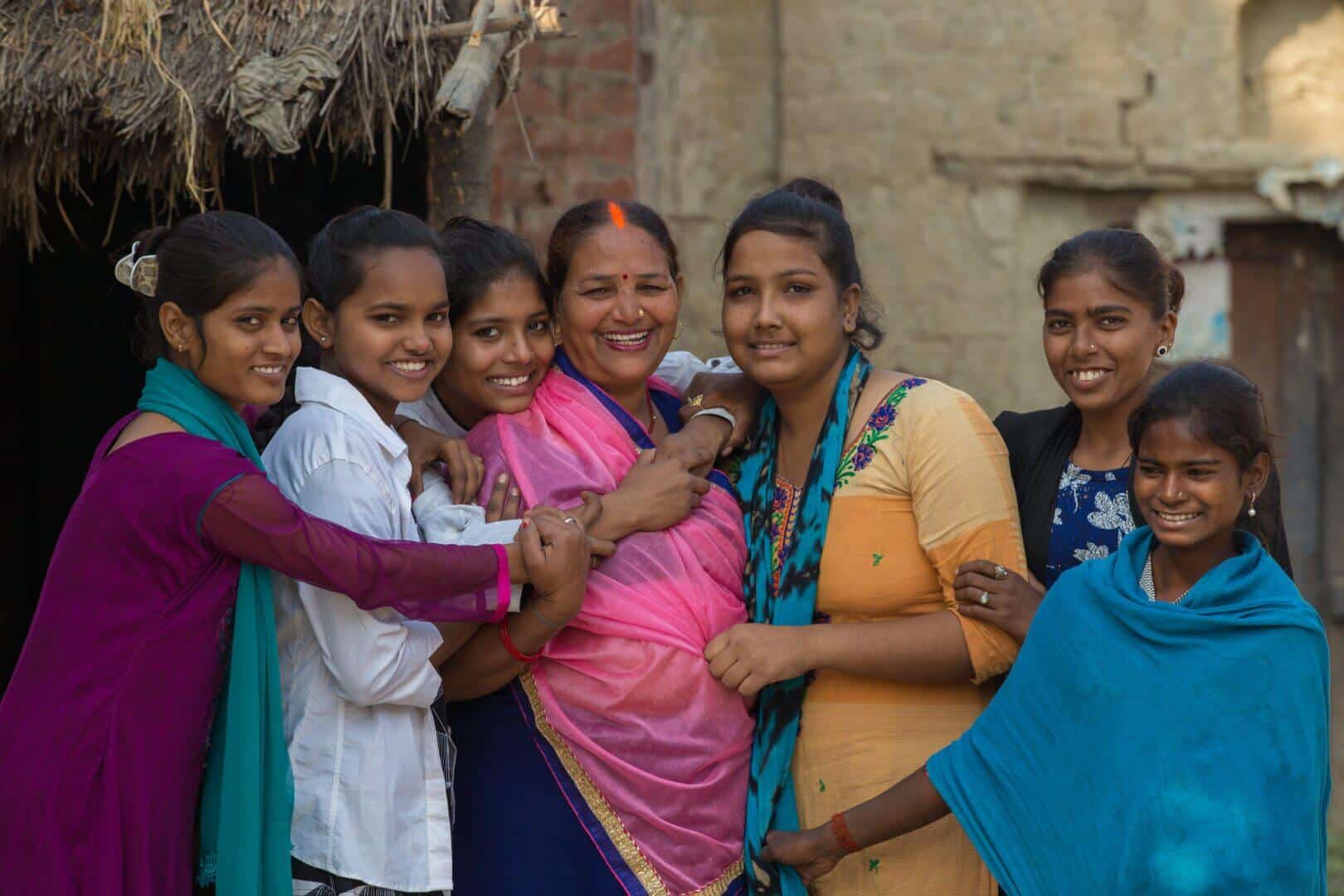
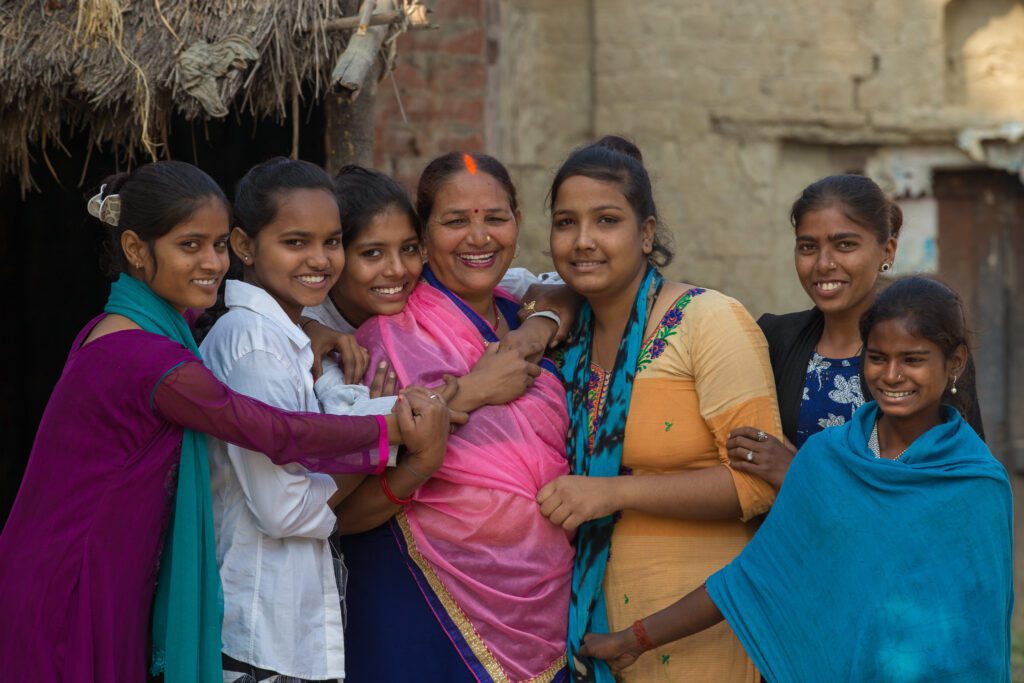

When you’re a young girl in a rural community of India, going against the grain isn’t just about being unconventional. It’s a daring call against decades, maybe centuries of rigid, regressive norms. It raises eyebrows, drops jaws—and that’s what young Ritika did in Tiunihawa in Gorakhpur, Uttar Pradesh, when she chose to be a Kisan Mitra (an intermediary between farmers and agricultural departments). The only girl to volunteer during selections, she even organised a meeting with farmers. Her decisions have led her to become a financially independent woman, thriving in her growth, success and novelty.
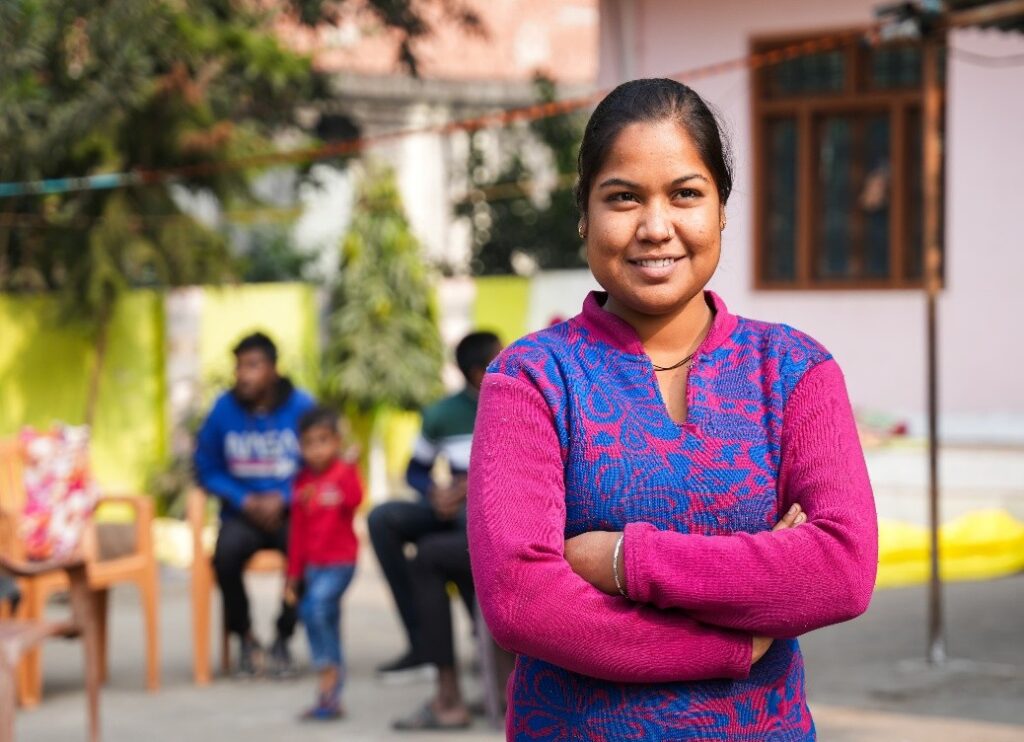
But her success isn’t hers alone. Her dedication and hard work built tall dreams on a supportive foundation—a father, inspired by Breakthrough’s sessions on equality, who taught her how to ride a bike when it was unheard of for a woman to do so; a mother who took charge of finances after her father’s death and sold goat milk to fund Ritika’s education; and a brother who stood by her decisions even when society told him not to.
Imagine the potential millions of girls could unlock if they all had a supportive environment to actualise their dreams and goals.
Breakthrough has been working for 25 years to create a world where everyone, especially women and girls, can feel supported and live up to their full potential. While we realised that adolescents needed to be at the core of our programme (so that limiting norms are shifted in young minds before they solidify), engaging with parents and the community became critical to create support systems where these adolescents can thrive and dream. Parental support is often crucial in adolescents’ choices and life decisions. In our direct work through community engagement, we encourage 11-18-year-olds to initiate intergenerational dialogue with older family members about their thoughts, dreams, and aspirations. At the same time, we build their communication and negotiation skills so that these dialogues are fruitful.
Over the past few years, these efforts have slowly resulted in marked improvement seen among adolescents in intervention areas—across on-ground trends and in our evaluation data. For example, in our intervention areas of Uttar Pradesh, adolescents are comfortable discussing the current social and cultural norms pertaining to age of marriage (14% rise from baseline), choice of life partner (39% rise from baseline), wearing clothes of choice, and leisure time with their parents. The comfort level for discussing educational aspirations was also found to be high, indicating a generational shift towards open dialogues.
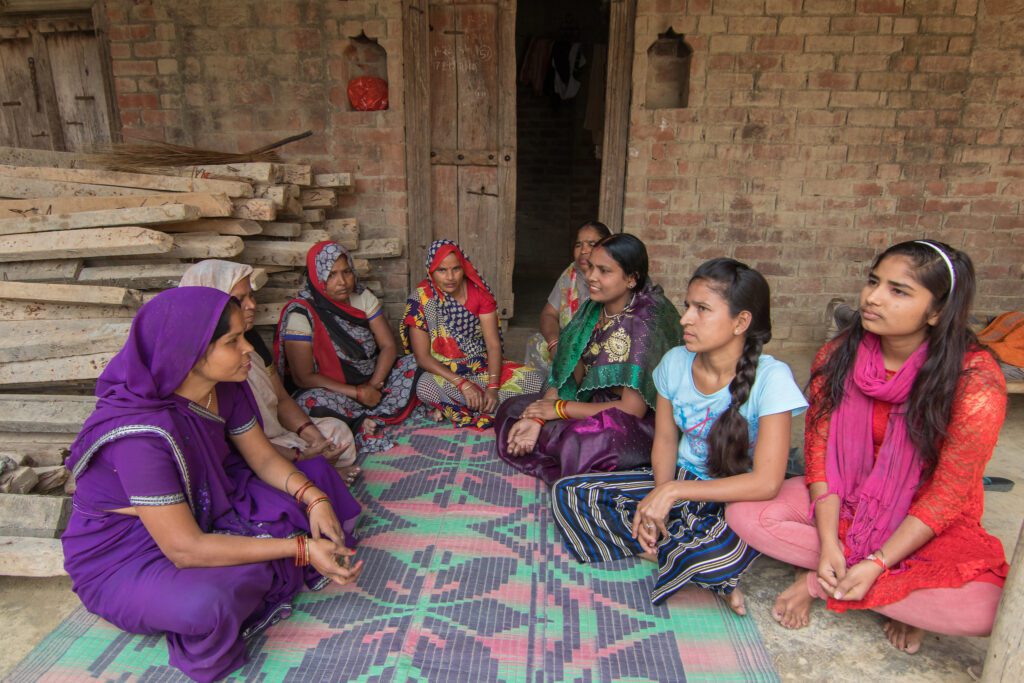
Simultaneously, community discussions about equality and norms inspire open dialogue between young people and elders. They also give parents the opportunity to become the change themselves, and lead by example. We saw this in action when adult group members in Hazaribagh, Jharkhand, became role models for their young ones. A discussion about sports as a career option for girls led to an opportunity the women had not had for years—a game of volleyball. Reclaiming the space was a rare but empowering sight and young girls were excited to follow suit, “If our mothers can play, why can’t we?”
Intergenerational dialogue is a key piece of the puzzle while solving for a gender-equal world. When community members stand with budding changemakers, a generational shift is unlocked and a brighter future for all young people, especially girls, comes into view.