
Revanna M, while growing up in a marginalised family of rural India, never stood a chance at school. Letters blurred together; words slipped through his fingers. Yet, he was expected to write sentences. When his learning struggles surfaced, they were not met with care but with caste-based discrimination and physical punishment. His parents, forced by circumstance to send him to school while they worked, clung to hope even as the system failed him. Unable to bear it anymore, at age eight, Revanna ran away to Bangalore, boarding a train in hopes of finding work and freedom.
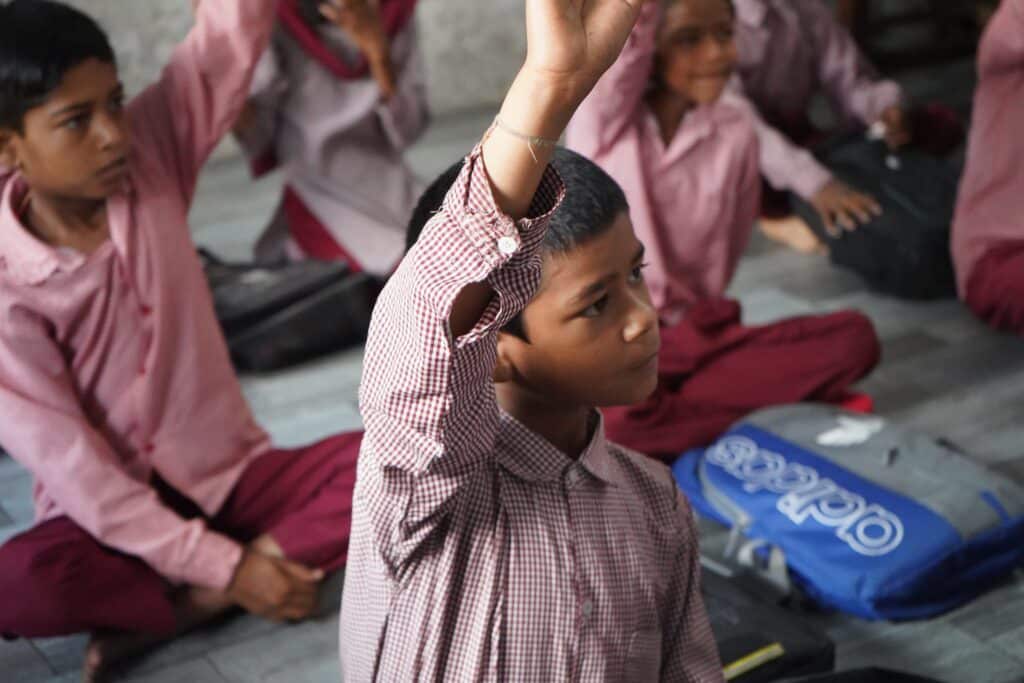
His story is far from an exception. In 2024–25, India’s total school enrolment fell to 24.68 crore, the lowest in seven years. A decline of 11 lakh students in a single year. Dropouts remain high, especially at secondary level (14.1%). Less than half of the children who start Class 1 reach higher secondary education. Even those who persist face injustice. Studies show that Scheduled Caste students, despite comparable qualifications, earn significantly less than their upper-caste counterparts. Unsafe schools make things worse. In Jharkhand, India, 38% of children who dropped out did so because of abuse. 77% reported physical violence and 74% reported sexual abuse. These are not statistics; but lived realities.
Kashvi (name changed), the eldest of six daughters, was married off at 18 to a 32 year old man without her consent. When she lost her child through miscarriage, she was blamed and shunned by her in-laws. Cruelty and emotional neglect forced her to walk away from the marriage after only two months. Relatives called her a failure, unable to see the systemic violence that trapped her from every direction. Over 23% of women in India aged 20 to 24 were married before turning 18.
Are these stories about personal failure?
Adversity is deeply rooted in the intersections of gender, caste, class, religion, and more. I remember a young programme participant selected for an exchange programme in the United States. She was locked inside her home, her passport taken away after being told that girls from her community cannot step beyond boundaries.
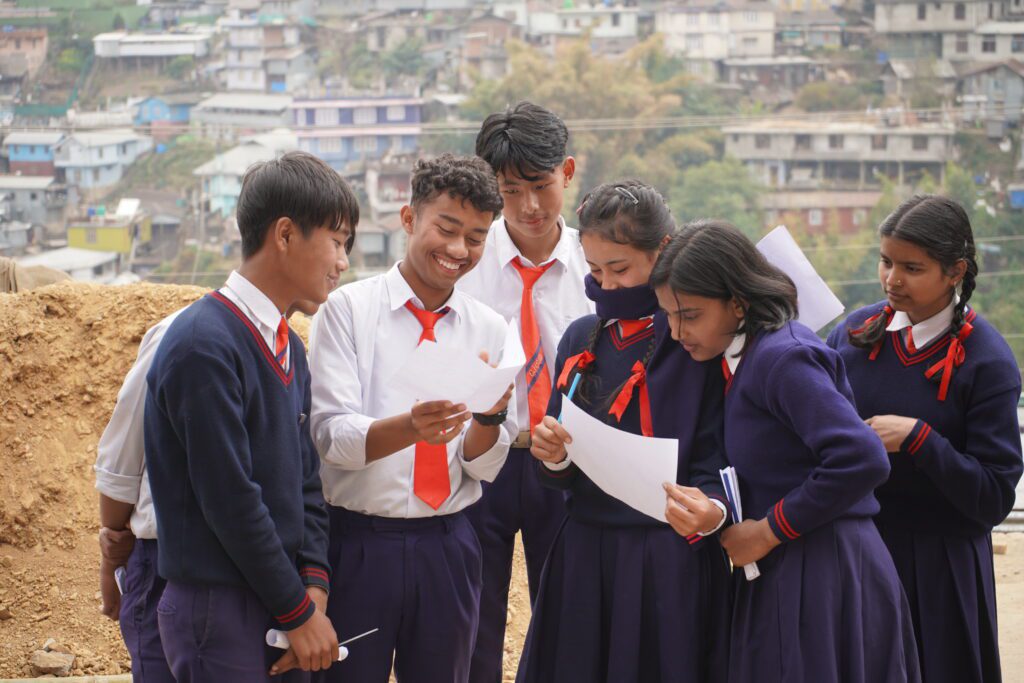
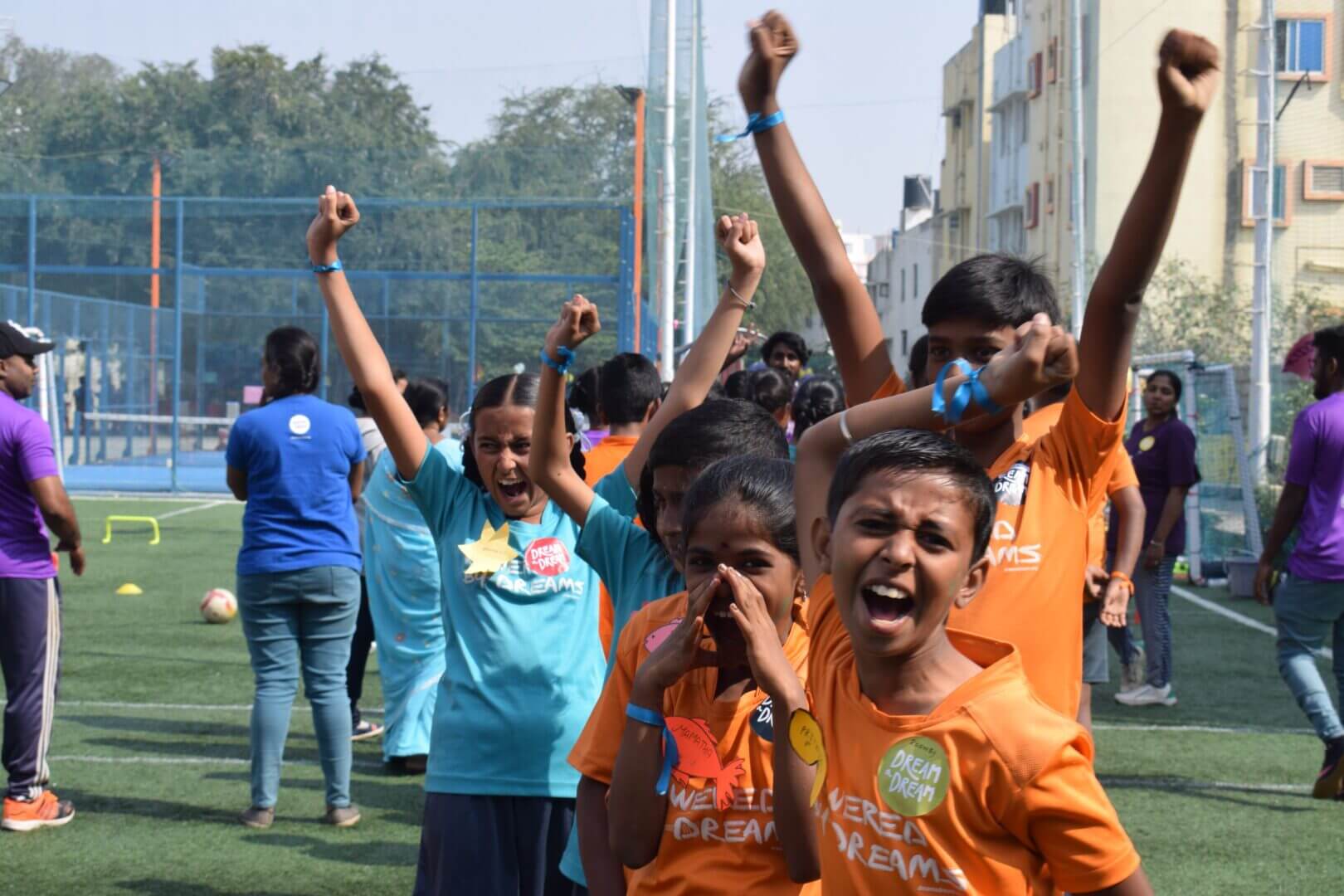
At Dream a Dream, we have sat with these stories countless times and we carry them with us as a responsibility. We believe that education must not be a race to pass exams but a journey that helps children and young people thrive emotionally, mentally, and socially. Change is impossible unless we dismantle these layered systemic injustices and build spaces where every young person is seen, heard, and supported.
Since 1999, Dream a Dream has mainstreamed life skills as a critical approach to help children overcome adversity and learn to thrive. Today, the organisation is transforming the Indian education ecosystem through its own programmes, curriculum and pedagogical innovations and through the development of holistic assessment frameworks while also shifting the narratives around the purpose of education. Dream a Dream’s work is spread across 7 Indian states reaching 2.2 million children through direct impact programmes, strategic partnerships with state governments and collaborations with other non-profits and funders in India. Our approach integrates life skills and social-emotional learning into education- not as extras but as essential building blocks of education. We have trained over 66,000 teachers, empowering them to create safe, empathetic learning environments where children can build trust, resilience, and creativity. We have developed assessment tools like the Social-Emotional Wellbeing tool, tailored to the needs of Indian adolescents and focused on what truly helps children thrive beyond academic scores. Our programmes work even in resource-constrained settings, proving that change is possible when care, compassion, and evidence-based methods come together.
Empowering young people is essential but it is only half the solution. Systems, policies, schools, families, they shape what is possible. Since children do not learn in isolation, our approach is holistic. We work with parents, teachers, community centres, employers, and policymakers to build an ecosystem where mindsets shift and narratives of success are grounded in dignity and empathy. Our aim is to change the purpose of education towards the idea of Thriving for every child.
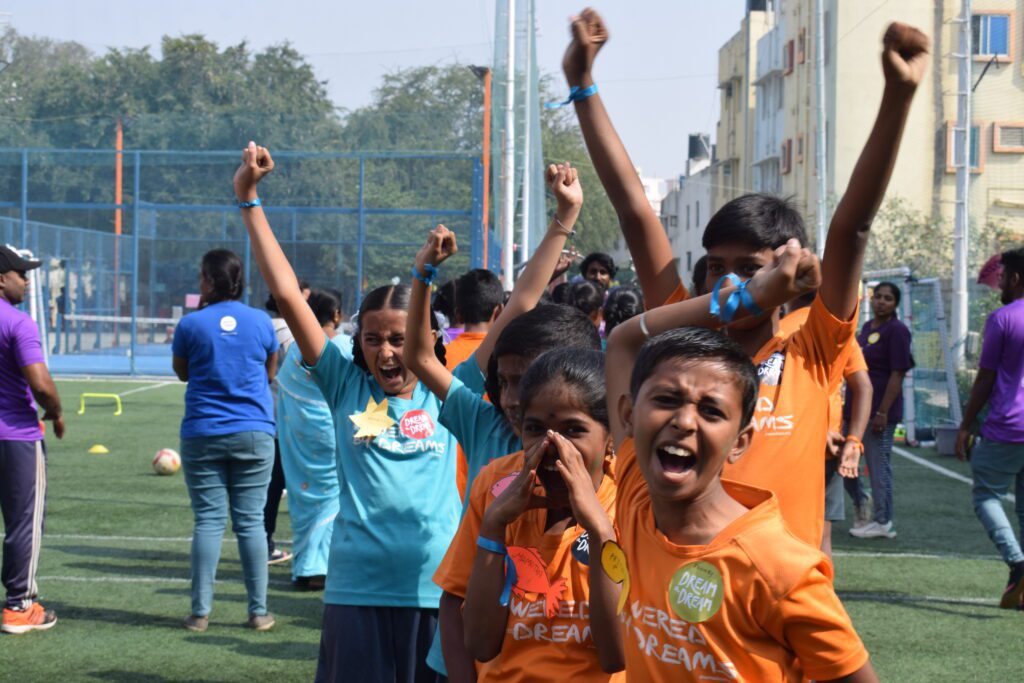
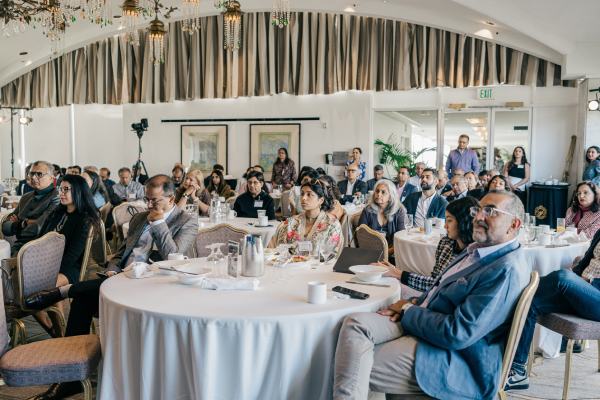
This September, at UNGA 80 in New York, we will bring the voices of the Global South to the forefront, leading the conversation on how care, equity, and cultural relevance must shape the future of education. Our flagship event, No Longer at the Margins: When the Global Majority Leads, will explore how education systems can move beyond rigid compliance to embrace diverse perspectives where dignity defines success.
We are also hosting two additional side events. An exploratory circle on the ‘Politics of Measuring Interventions in Education Systems’ will open dialogue on how we assess progress. Followed by an open discourse on ‘Beyond Numbers, Outcomes, and Scores’ that will convene thought leaders to rethink metrics and focus on systemic shifts in pedagogy and culture.
Our goal is simple. We want to amplify the voices, insights, and solutions of communities that are often overlooked in the global conversations and show that when we reimagine education with thriving at its core, we unlock the potential of every young person to thrive.