
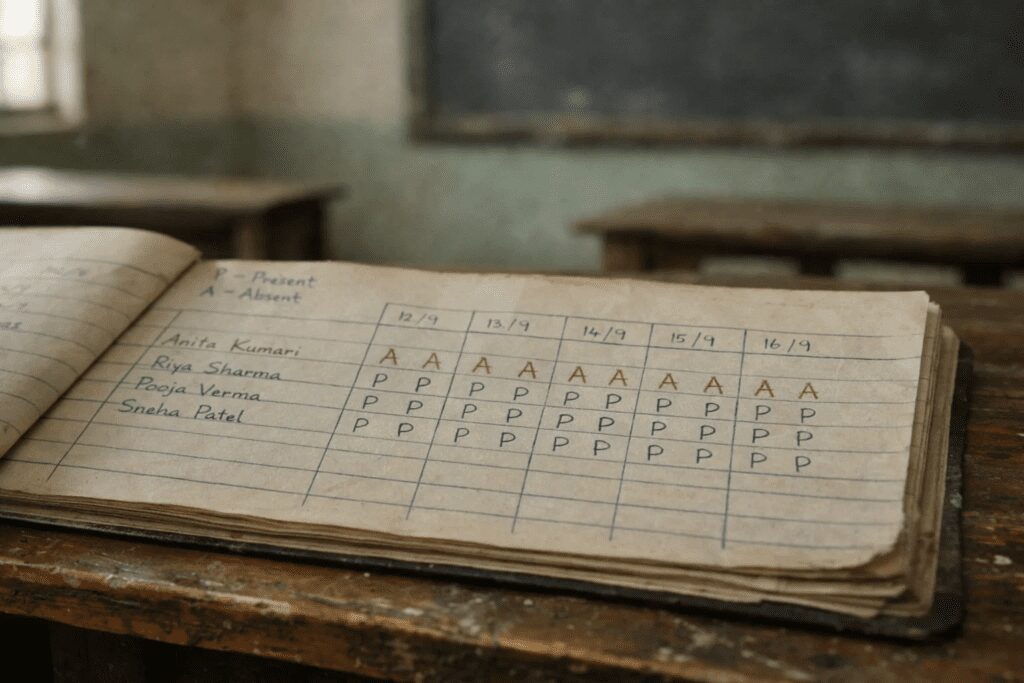
She solved two quadratic equations that morning. Argued with a classmate about a cricket score. Borrowed a pen because hers ran out. A normal Tuesday for a fourteen-year-old.
She was not seen at school the next day. Or the day after that. Not the next week. Not even after the summer break. Even she didn’t know it would be her last day in that classroom. There were no complaints registered at the nearby police station. No missing person posters. The world did not know that she had disappeared.
A few weeks later, in her village, wedding cards were handed out. Gold borders. Glossy paper. Her photo, edited to make her look older than she was. Boxes of sweets followed. Relatives began visiting. The date was fixed.
By the time the news made it to me, her desk had already been reassigned. Her roll number called out and answered by silence.
This is how a girl disappears from school in India. Not with a police case. Not with a headline. With sweets in a box. With relatives exhaling, “Now tension is over.” One week she is solving equations. The next, she is married. The school register shows a blank where her name was.
Her disappearance is not limited to school records. She is missing from the workforce, from civic participation, from economic independence. Missing as a citizen with a say. I do not need to describe what happens to voices left without education, income, or support. We know that reality.
When people outside India hear “child marriage,” they reach for familiar explanations: tradition, ignorance, cruelty. But more often, child marriage is something colder and more rational than any of that. It is fear dressed up as a plan.
A family earning₹4,000 a month looks at their daughter; fourteen, getting taller, getting noticed, and sees a deadline. Not a birthday. A risk window. If no one can show them a path between her classroom and a salary, the future feels like a gamble. And families on the edge do not gamble. They choose certainty – marriage. Letting her become somebody else’s responsibility. This is why nearly one in four young women in India is married before 18.
Here is the twist in the story you might not have expected. India’s child marriage story is accelerating. And the reason is a surprise villain: Artificial intelligence.
In families like yours and mine, AI is already a dinner-table conversation. I come from a privileged background, and even I worry about what jobs AI will leave for me, my family, and the next generation. You may have similar questions about your own career or your children’s.
Now imagine what AI is doing to those entering the job market at the very bottom. For decades, governments, NGOs, and institutions have worked tirelessly to educate and skill girls for entry-level employment. Stable, respectable work. The kind that creates the first steady income in a household. But what are those roles? Data-entry, note-taking, transcription, and other such clerical jobs which AI targeted first. Jobs that AI has already replaced in reality, not theory.
These jobs were never glamorous. But they were the proof point. The first salary slip that justified years of school fees. 40% of employers plan to cut roles that AI can do. The brunt of these decisions will be borne by such girls who’ll disappear.

In a village, they do not debate the villain replacing their jobs. They are more pragmatic than we are. For them, it’s a simple conversation: “She finished school. There is no job. Sharma-ji’s son is earning. What are we waiting for?”
In families like yours, and mine, when a first job disappears, the child pivots. A coding bootcamp. A cousin’s referral. A gap year rebranded as exploration. In families earning ₹4,000 a month, when the first job disappears, it is not a setback. It is a verdict. The son will get one more chance. The daughter will get a wedding date.
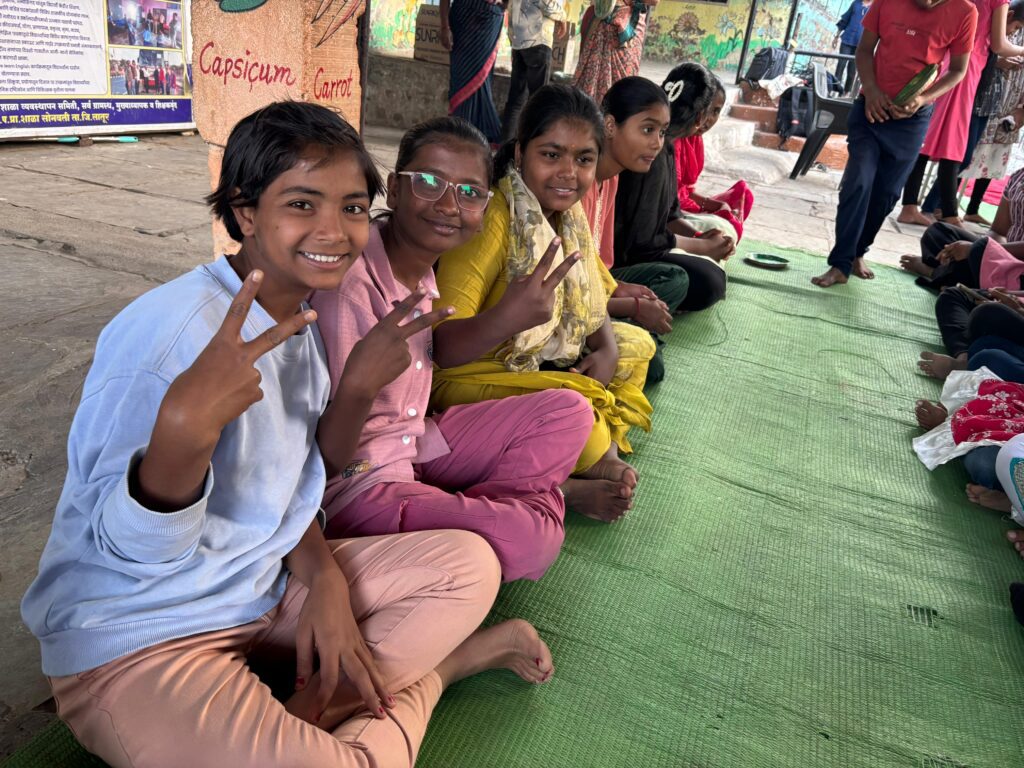
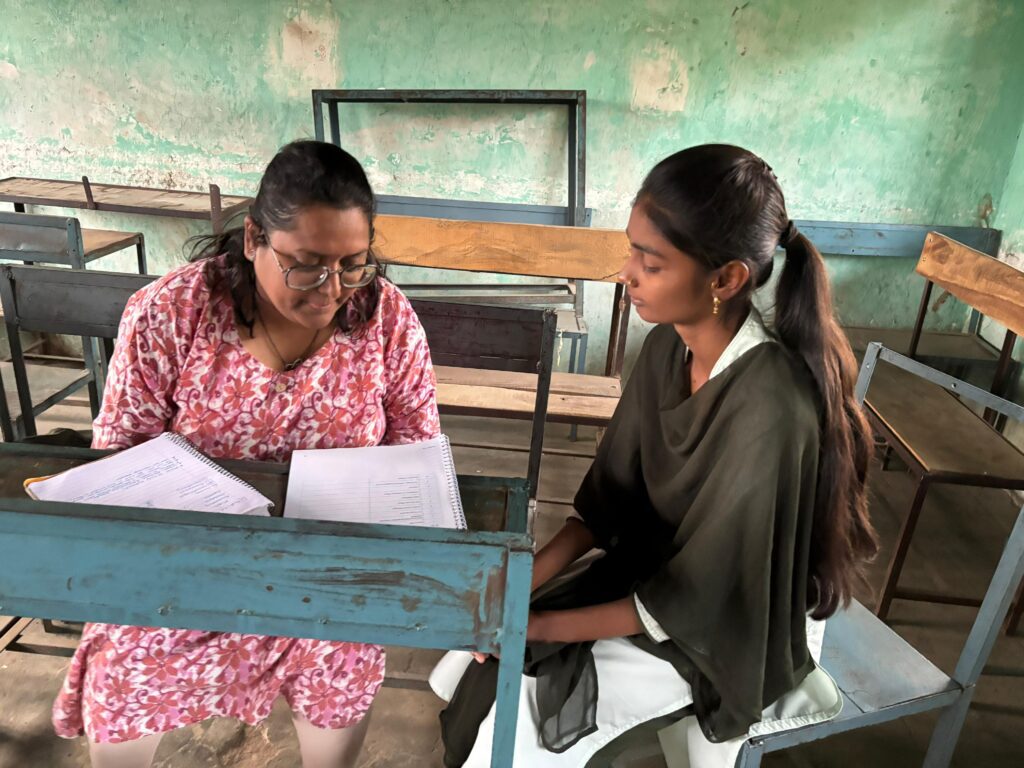
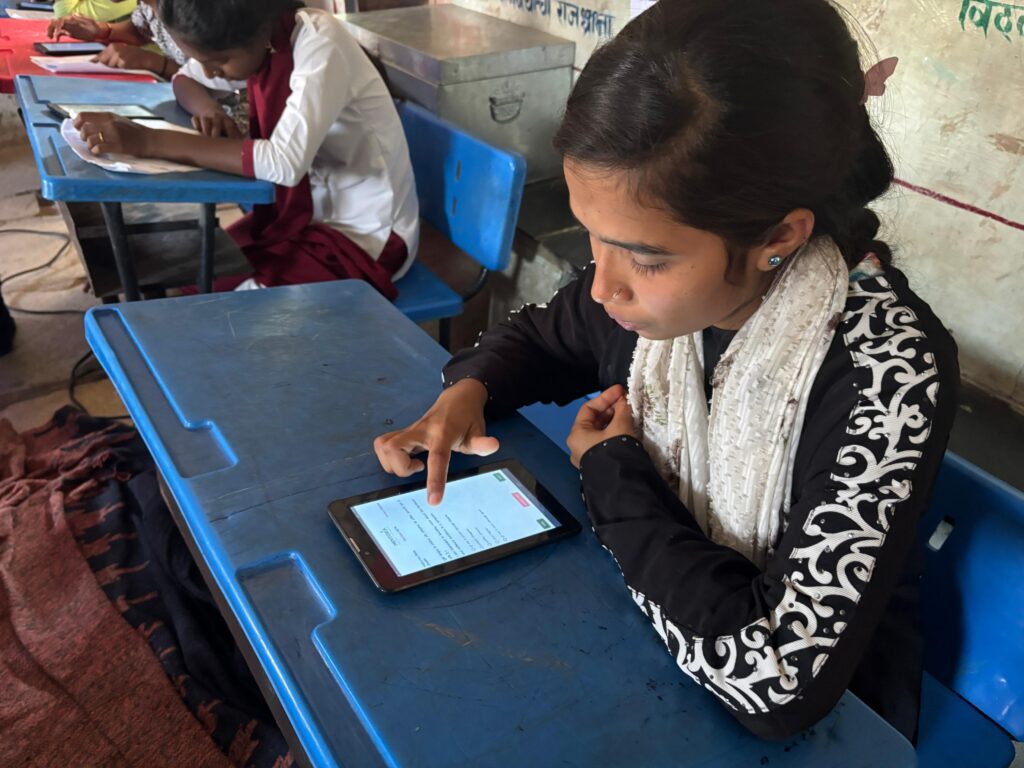
I want to tell you about the girls I work with. Not as statistics. As people I know. A farmer’s daughter who studies under a bulb that dims every time the irrigation pump kicks on, she still arrives before the teacher. A girl whose father killed himself after the drought. A trafficking survivor who can read an adult’s mood before she can trust an adult’s promise. A girl who speaks softly, not from shyness, but because being noticed has never been safe.
None of them are short on intelligence. Every one of them is short on what your children were born with and never had to earn: career capital. Exposure. Mentors. The language of interviews. A map of what is possible, not just what is expected. So we built the bridge ourselves. The Daughter’s Day Futures Fund supports 2,000 girls through the six-to-eight-year window when dropouts and marriages happen. We mentor girls with AI literacy, access, psychometric assessments, career mentors, admissions in higher education, and ensure they get meaningfully employed. We don’t stop until then. They receive the same future-ready career guidance solution that we’ve delivered to 3.75 lakh students, 350+ schools, and 250+ organisations across India.
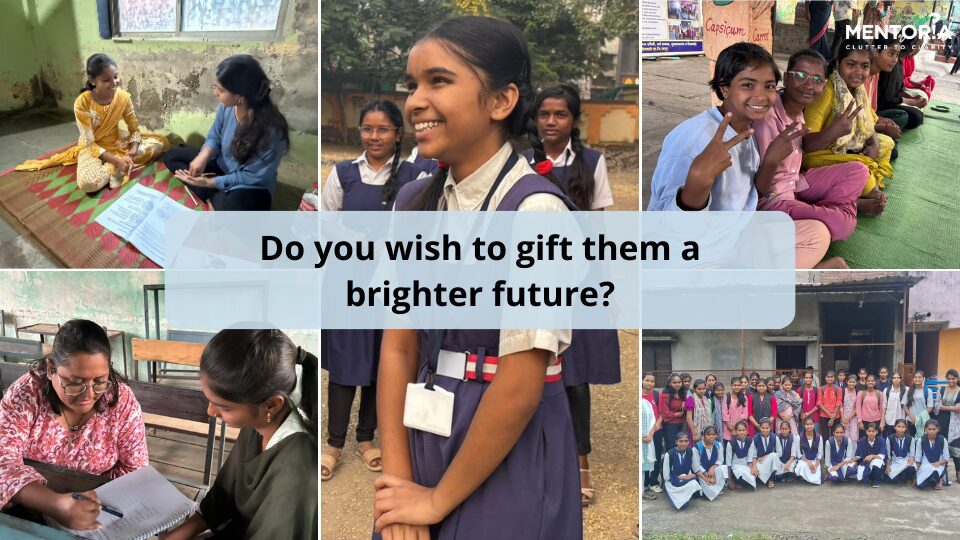
We have reached 1,464 girls through our Daughters’ Day Futures Fund. There are 536 remaining. The clock is running for each of them; months, sometimes weeks, when her family has not yet decided. When the clock runs out, she goes missing, and a wedding card turns up on someone’s phone.
$70, roughly₹5,000, supports one girl’s full career journey till employment. Six to eight years. That is a rounding error on your last hotel bill. It is someone’s entire bridge out.
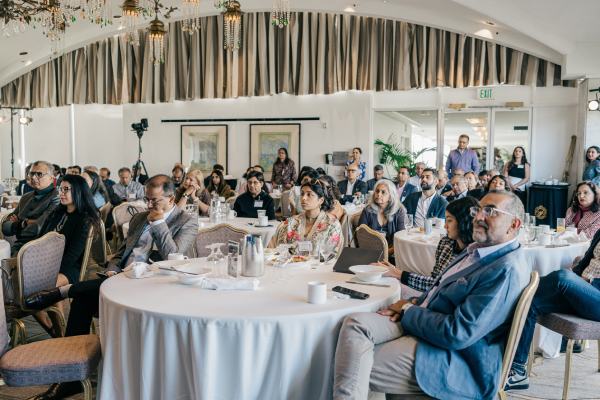
On Sunday, 1 March, I am hosting a 30-minute briefing for the Indiaspora community. I will walk you through the programme model, the financial structure, the cohorts of girls across India we plan to support, and how this ₹5,000 intervention sustains support until first income.
If you are thinking about how to future-proof opportunity in an AI-driven world, this conversation is for you. Register here: https://forms.gle/heZ5ncoNp9apdw8M6
Somewhere tonight, on a phone like yours, a different kind of message could arrive. Not a wedding card. A first offer letter. A photo of a girl in a graduation sash, grinning so wide the image barely holds it.
That message is worth building.