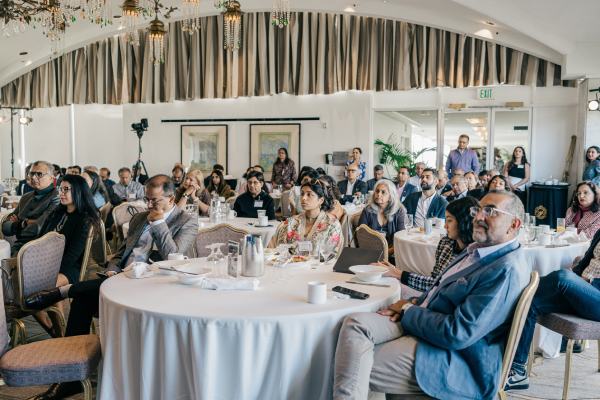


For MBA graduates at schools like Harvard and Stanford, there is a well-established path for people who want meaningful responsibility early in their careers: the search fund.
Investors support an aspiring entrepreneur while they search for a promising small business to acquire. If they find one, those investors finance the acquisition and give the entrepreneur the opportunity to run and strengthen the company.
The model rests on a simple insight: sometimes the most consequential investment is not only in an institution, but in the person who can help it reach its potential.
In rural northern India, I’ve found a very different kind of “search.”
Before dawn, a line forms outside of a hospital gate. People have traveled two to three days to get there, sometimes carrying a child, sometimes supporting an elderly parent, sometimes alone, because they know they won’t be turned away for lack of money. And if they can’t be seen that day, they don’t just go home and reschedule. They sleep outside. On the ground. In the dirt. Just to be early in line tomorrow and try again.

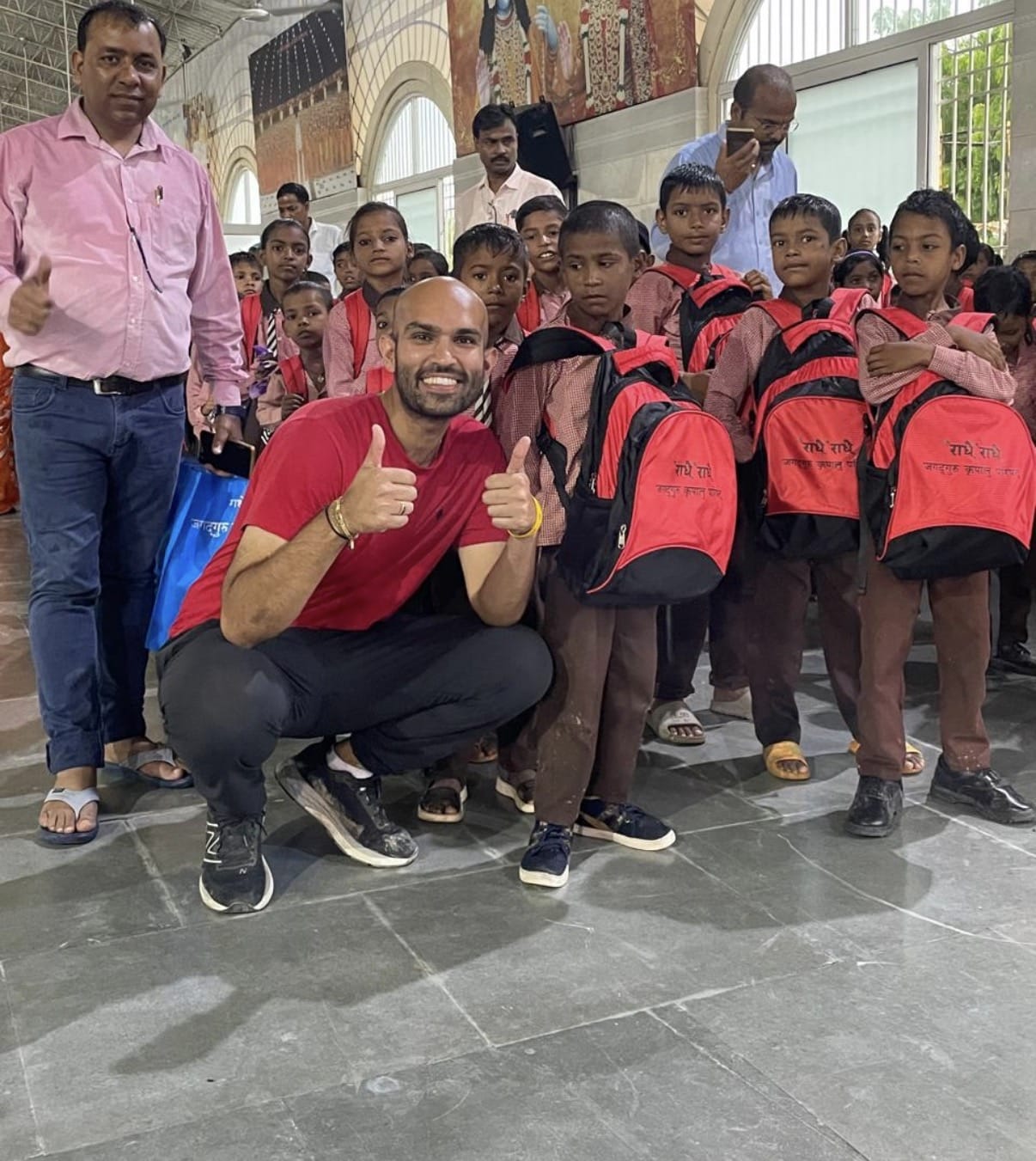
Just last month, I graduated from Stanford Business School. Earlier this week, I moved to Uttar Pradesh to spend the next two years living and working alongside the leaders and frontline teams of a network of charitable hospitals, serving people the formal health system too often leaves behind. We will focus on digitizing medical records, still paper-based and stored in filing cabinets. We will redesign intake and triage to cut wait times and surface high-risk patients earlier. We will train staff and leaders in modern methods.
To make this work possible, I have raised an initial fund from a generous group of early philanthropists.

Nonprofits face a quiet crisis: operating talent.
The organizations doing some of the world’s most important work are routinely outbid for strong operators by consulting firms, banks, technology companies, and other employers offering higher compensation, clearer career paths, and greater professional prestige. We underinvest in the people who make these institutions run, then act surprised when progress is slow and impact does not scale.
The result is not a shortage of mission or generosity. It is a shortage of the operating capacity required to translate both into durable results.
That is the opportunity for talent-backed philanthropy.
The idea is simple: donors would fund experienced operators and builders to make multi-year commitments inside proven social-sector organizations. That funding would make the career choice financially realistic while also providing flexible capital to implement improvements identified alongside local leadership.
The organizations would establish clear priorities and measures of progress. Operators would work within, not above, the institution’s leadership, with an explicit mandate to strengthen systems, develop teams, and build capabilities that endure after they leave. Business schools, companies, and alumni networks could help identify candidates, provide mentorship, and support these roles with the same seriousness and prestige afforded to traditional private-sector paths.
One catch: these hospitals don’t pay dividends. Search funds make money; Stanford GSB’s 2024 study of 681 search funds reports a 4.5x ROI. My hospitals can’t offer that, and philanthropists aren’t looking for it. They’re looking for measurable impact, responsible stewardship, and a model that makes those gains compound.
Standing outside one of those hospitals, watching the line stretch longer than the road itself, I felt a sense of clarity. I didn’t want a career where “impact” was something I described from a distance. I wanted work that put me close enough to the reality that I couldn’t look away, couldn’t soften it with the right words, and couldn’t pretend the hard parts belonged to someone else.
It would be easy to turn this into a superhero story about one person moving to India, or to confuse being on the ground with being the authority. I won’t. The clinicians and staff are already doing the hard part; my role is to strengthen the systems around them under their direction and be accountable for results.
We are entering a strange mismatch. On one side, a generation is increasingly disenchanted with work that feels hollow: a Deloitte survey found that 89 percent of Gen Z say purpose matters to their job satisfaction, and nearly half reported leaving a role that lacked it.
On the other side, a National Council of Nonprofits survey found that nearly three in four nonprofits have job vacancies, and many report longer waiting lists for services. Demand is rising, capacity is strained, and the sector that exists to catch people when systems fail is short on the talent needed to operate at its potential.
Many experienced professionals are searching for work that feels closer to the problems they want to help solve. Too often, meaningful social-sector work is framed as something to pursue later in life, after financial security has been achieved.
I am able to choose this path now because a group of philanthropists believed it was worth funding. That is precisely the opportunity: philanthropy can make these choices possible for far more people and give them the resources to succeed once they arrive.
Philanthropy already invests in ambitious missions. Its next frontier may be investing more deliberately in the people who can help turn those missions into lasting institutions.
The social sector does not lack passion. It lacks enough operators and builders. The sooner we make that path visible, credible, and financially possible, the sooner more talented people will choose it early, not “someday”.