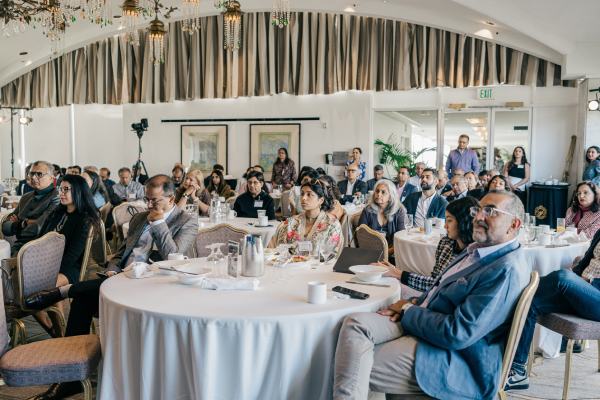
Anika, a young mother diagnosed with leukemia, had exhausted every line of treatment, and her only hope was a stem cell transplant. But because of her Indian heritage, her chances of finding a compatible match were less than 40%. Her family organized drives, spreading awareness in every community they could reach. Eventually, a match was found—someone who had registered years earlier with a simple cheek swab. That anonymous donor gave Anika a second chance to raise her daughter, celebrate birthdays, and live the everyday joys that most of us take for granted. Stories like Anika’s are a powerful reminder: you don’t have to be a doctor, nurse, or firefighter to save lives—sometimes, it’s as simple as joining a stem cell registry and being willing to donate when someone desperately needs it.
For Indian Americans, this cause is especially urgent. Certain cancers, like leukemia and lymphoma, can be treated with stem cell transplants—but a patient’s chance of survival depends heavily on finding a compatible donor, and compatibility is closely tied to ancestry. Unfortunately, there’s a severe shortage of Indian-American donors in the U.S. The result is heartbreaking: too many Indian-American patients searching for a match never find one.
Recognizing this urgent need, the American Association of Physicians of Indian Origin (AAPI) launched the first-ever nationwide stem cell drive initiative among Indian Americans in early 2025. Our goal is simple: to grow the donor pool so that more patients from our community have a fighting chance at life.
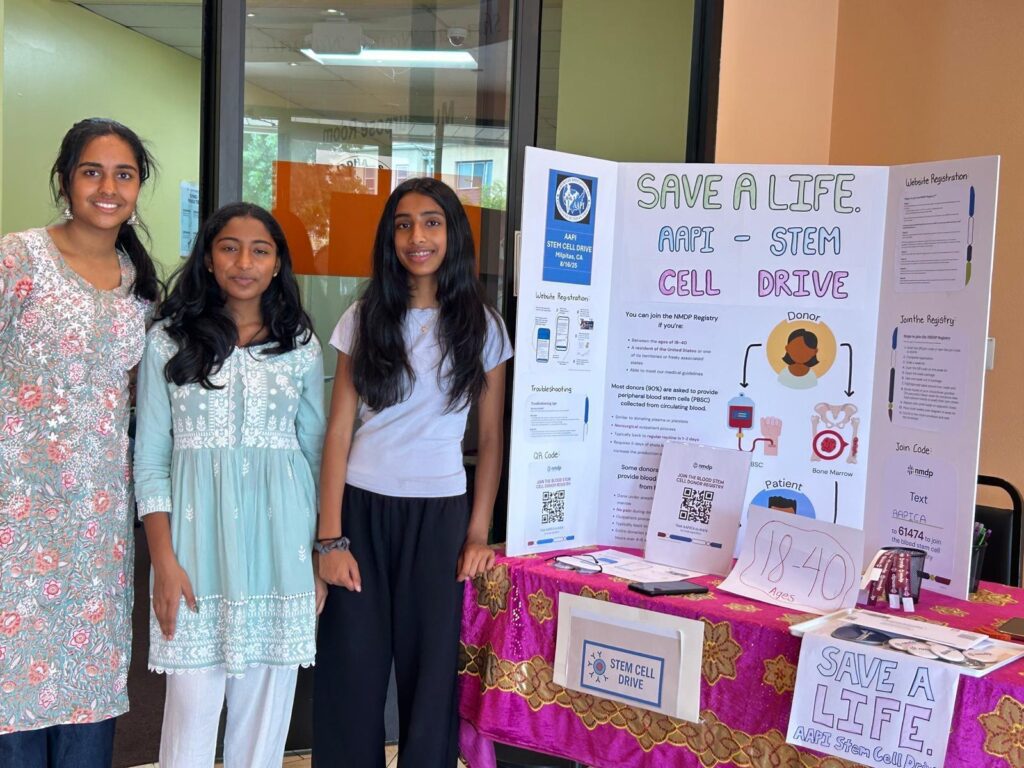
If you live in the U.S. and are between 18 and 35 years old, you can register online with the National Marrow Donor Program (NMDP). Alternatively, if you are between 18 and 55 years old, you can register with DKMS. The process is simple. Registration takes only a few minutes: you’ll receive a cheek swab kit in the mail, swab, send it back, and you’ll be added to the registry. You only need to register once with either NMDP or DKMS—your information will be included in the worldwide donor database, so there’s no need to register on both. Being on the registry doesn’t mean you’ll donate right away; it simply means that if you’re ever a match, you’ll be contacted and given the chance to save a life. That call could come in a few months, a few years, or maybe never—but just by being on the list, you’re giving hope to families waiting for a miracle.
One of the biggest misconceptions people have is that donating stem cells requires a painful bone marrow procedure. That used to be the case, but not anymore. Today, more than 90% of stem cell donations are done through a process similar to giving blood. Here’s how it works: you’re given a medication that helps your body produce extra stem cells. On donation day, about 400 ml of your blood is drawn. The blood is run through a special machine that filters out the stem cells, while everything else is returned to your body. In essence, the donor doesn’t lose anything except the stem cells, which the body naturally regenerates. NMDP or DKMS will cover costs related to donation, including travel if needed. The process is safe, simple, and life-changing.
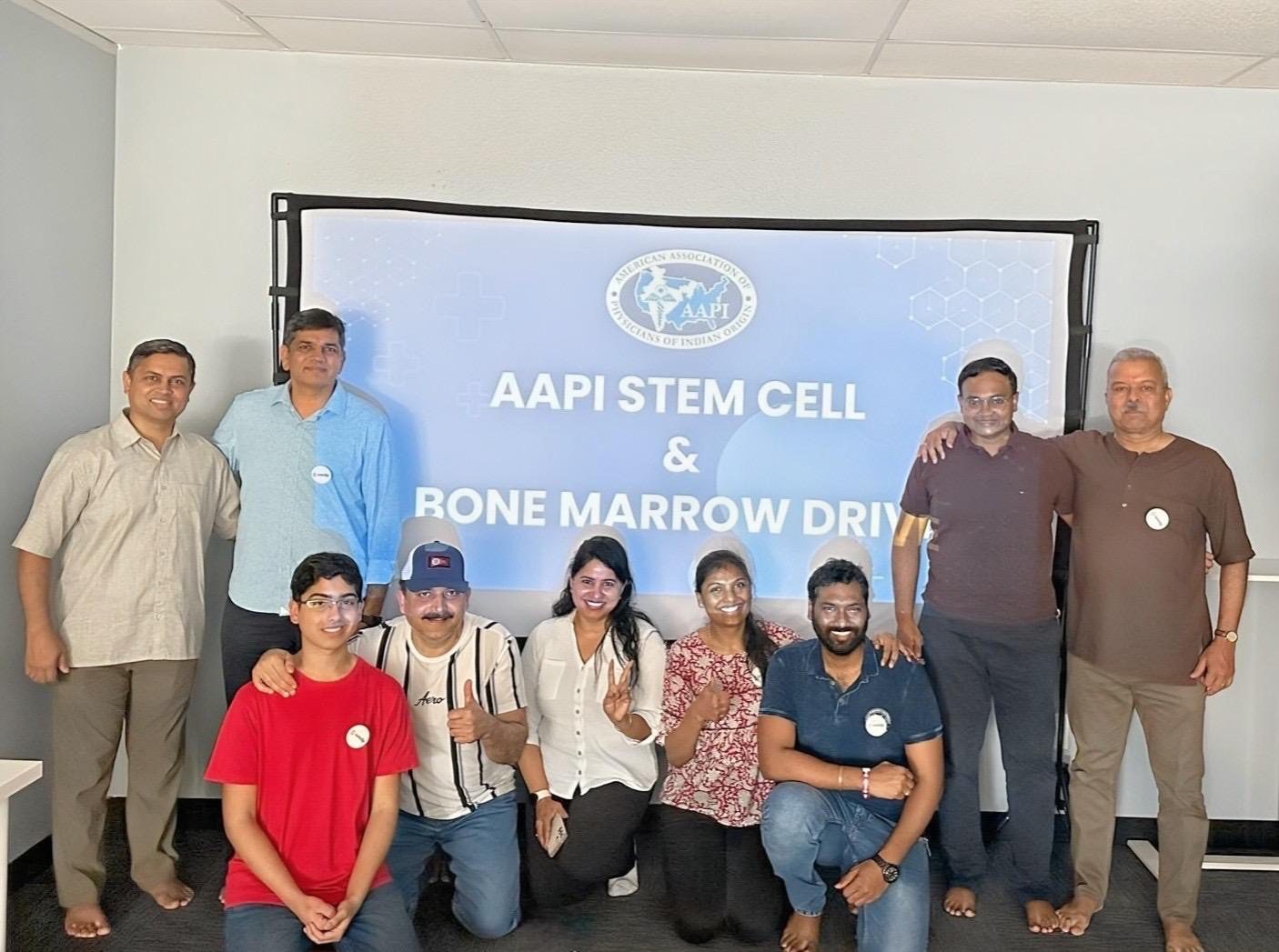
The response to AAPI’s stem cell drives so far has been nothing short of tremendous. From New Jersey to California, and from Washington to Florida, AAPI physicians, community leaders, and high school and college students have come together to organize drives. Students who volunteer receive certificates from AAPI acknowledging their service. With this success in the U.S., AAPI is expanding efforts to India. In partnership with the Global Association of Indian Medical Students (GAIMS) and DATRI, India’s leading stem cell bank, we plan to launch drives in Bhubaneswar, Odisha, in January 2026. The vision is bold: to bring this movement to every medical school across India, ensuring that patients everywhere have a better chance of finding a match.
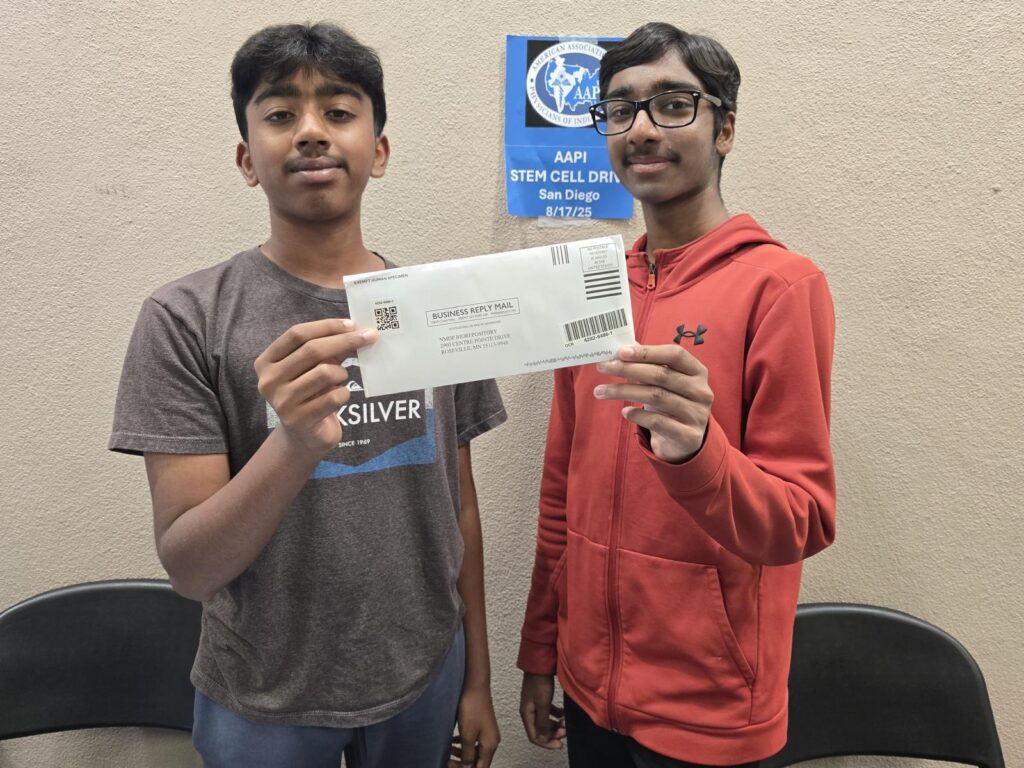
And the need is not limited to the U.S. or India. This is a global issue. Any Indian anywhere can help an Indian anywhere. If you are reading this from outside the U.S., I encourage you to explore your own country’s national stem cell registry. Nearly every major country has one, and by signing up locally, you expand the global donor pool and increase the odds of saving a life that may be thousands of miles away. Cancer does not respect borders, and neither should our compassion.
Here are the stem cell banks in some countries:
- United States: Be The Match (NMDP), DKMS
- India: DATRI Blood Stem Cell Donors Registry
- Canada: Canadian Blood Services – Stem Cell Registry
- United Kingdom: Anthony Nolan Register
- Other countries: Check the World Marrow Donor Association (WMDA) to find your local registry.
There is a role for communities and workplaces to play here. Imagine the impact if every community gathering or corporate campus hosted a stem cell donor drive. These events are easy to organize and make it convenient for hundreds of people to register in one afternoon. If you, your community organization, or your company are interested, AAPI and I would be more than happy to provide guidance, resources, and support to make it happen.
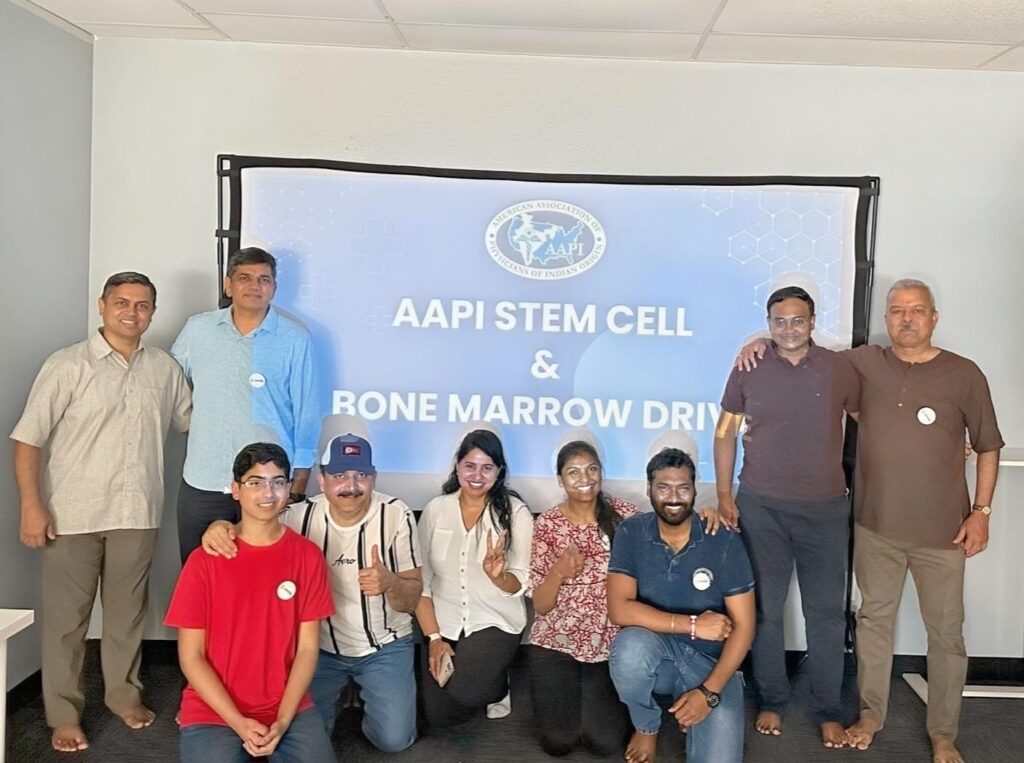
As a neonatologist, I’ve had the privilege of spending my career in the NICU, working to save the tiniest and most fragile patients. It is a calling I hold close to my heart. Every day, I’m reminded of how precious life truly is. Sometimes, despite our best efforts, we lose patients because time runs out. But the beauty of stem cell donation is that anyone—no matter their profession, background, or skills—can become a lifesaver. By swabbing your cheek and joining the registry, you are stepping into a role of hope, of possibility, of heroism. By expanding our donor pool, we can ensure that more families receive that life-saving phone call: “We’ve found your match.” By signing up, you’re not just another name on a list. You’re a potential hero waiting in the wings, ready to give someone the ultimate gift—the gift of life—when they need it most.