
How a forgotten South Asian woman in 1917 San Francisco inspired a film, and why the diaspora should care
San Francisco, 1917. Federal agents burst through the door of a small home that doubles as a revolutionary headquarters. A woman watches her husband dragged away in handcuffs. In the papers left behind, she finds her own name on safe deposit boxes she has never seen, tied to a conspiracy she never consented to, linked to German war funding she knew nothing about.
She was never meant to know.
Her name was Padmavati Chandra. She was one of the first South Asian women to set foot in America. There were perhaps four or five Indian women in the entire country at the time. All of them wives. All of them invisible. Until now, Padmavati has been a footnote in a history that only remembers the men.
The Story No One Told
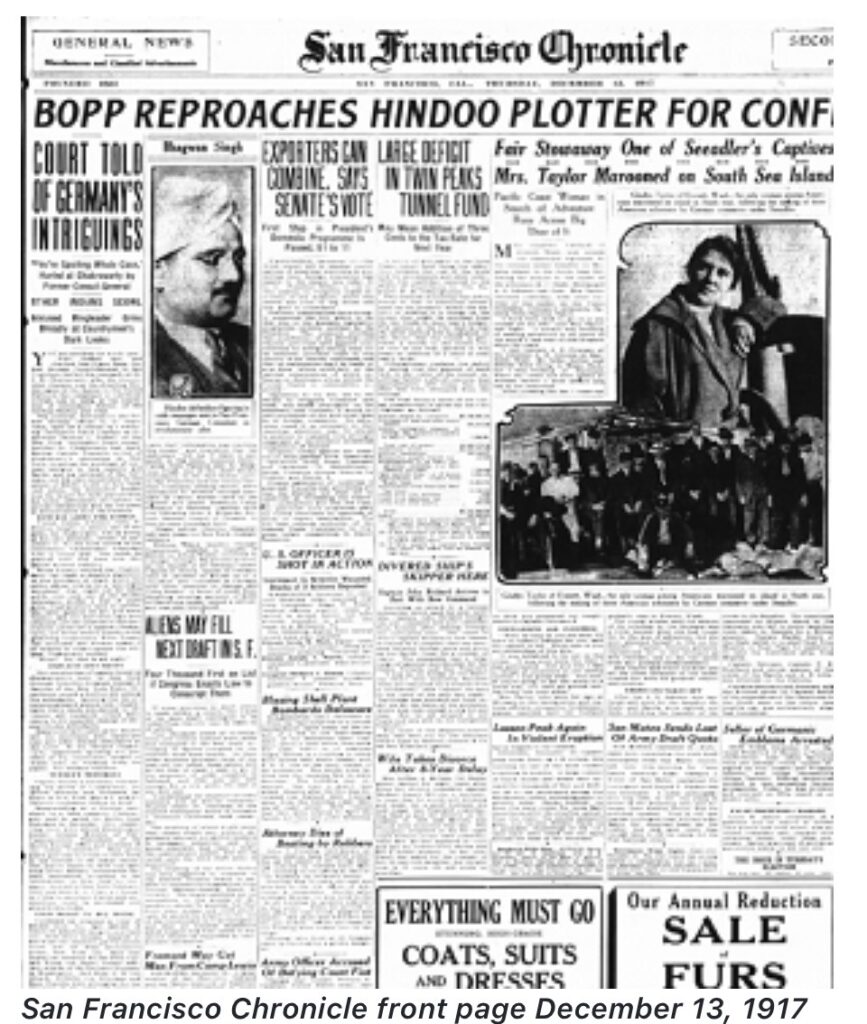
If you grew up in the diaspora, you have probably heard of the Gadar movement. You may know about Ram Chandra Bharadwaj, Lala Hardayal, Bhagwan Singh Gyanee or the revolutionaries who dared to take on the British Empire from American soil. But you have almost certainly never heard of the women who lived inside that revolution.
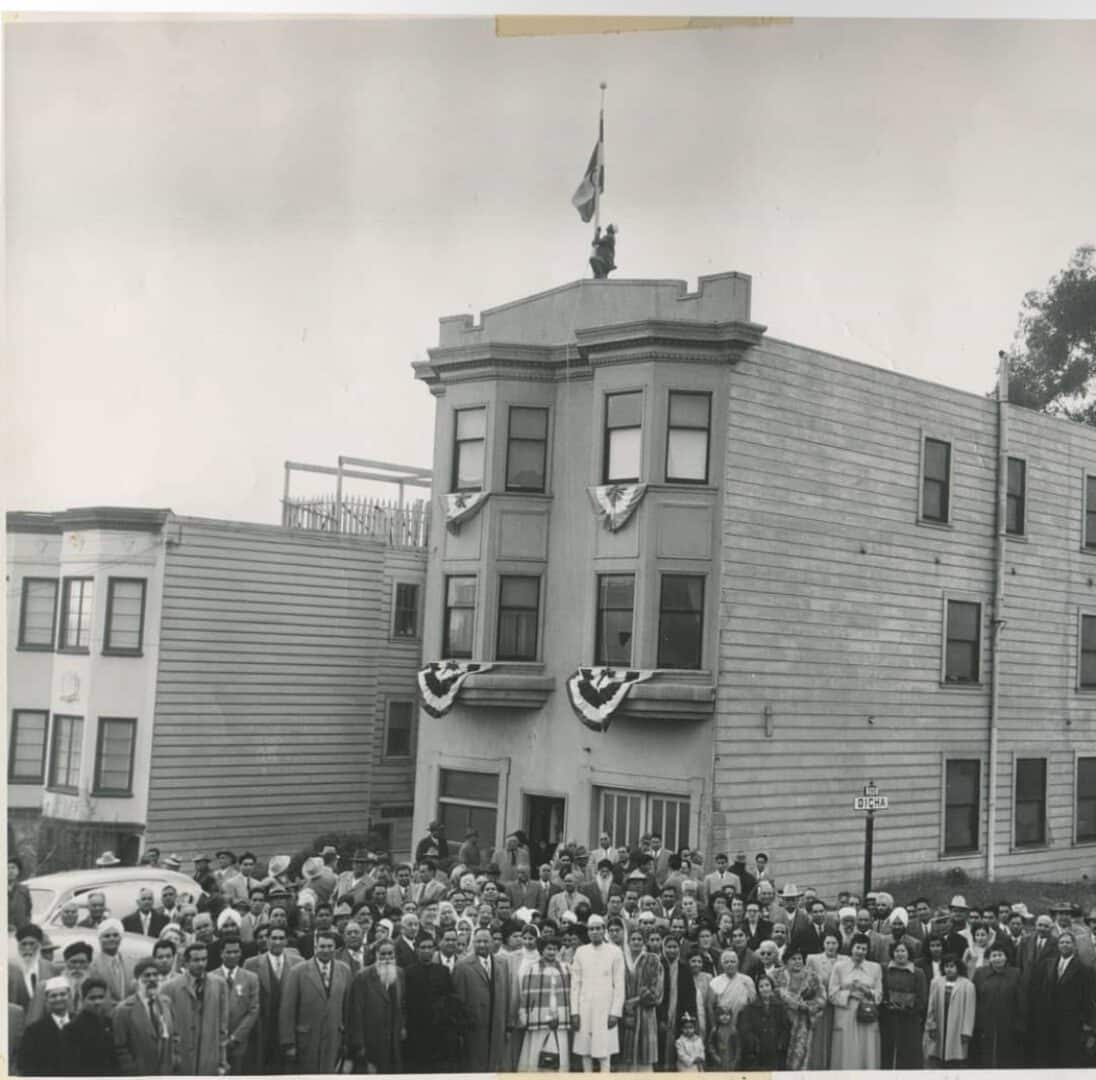
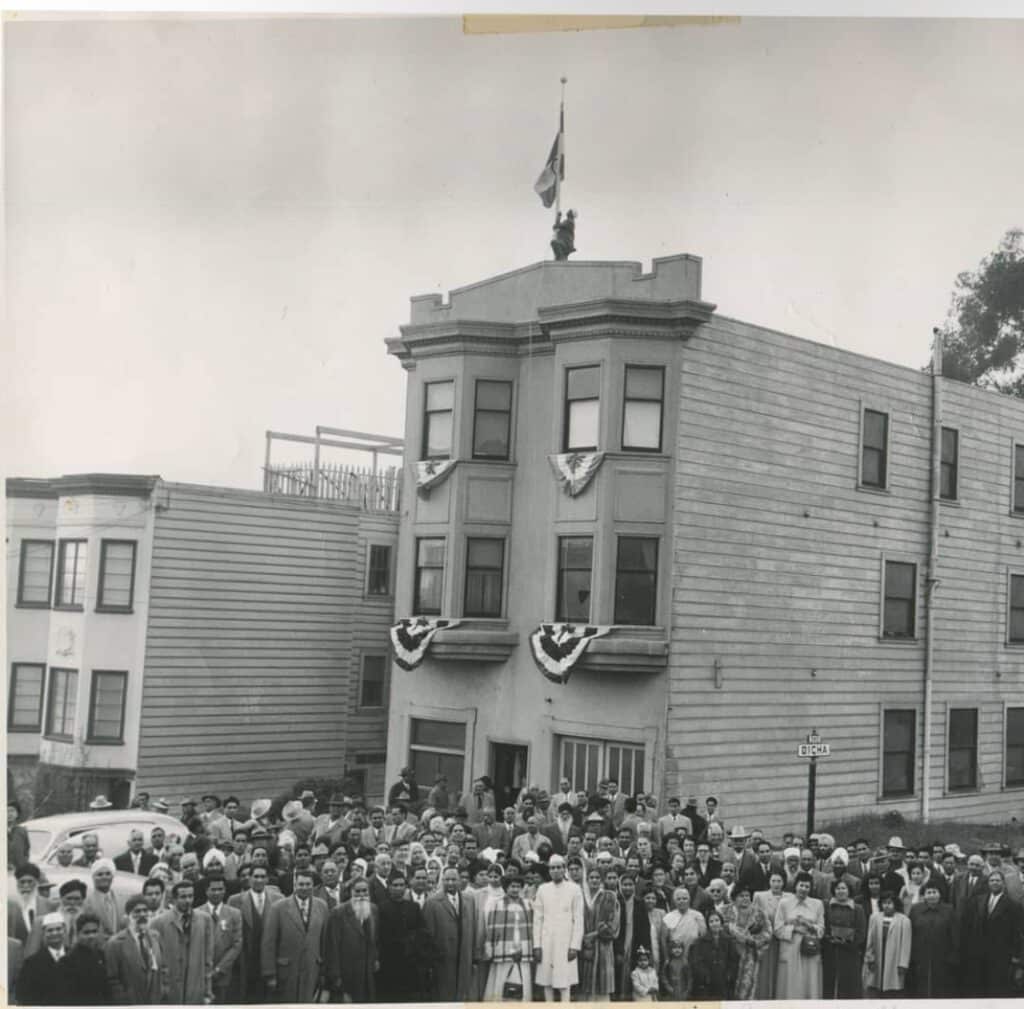
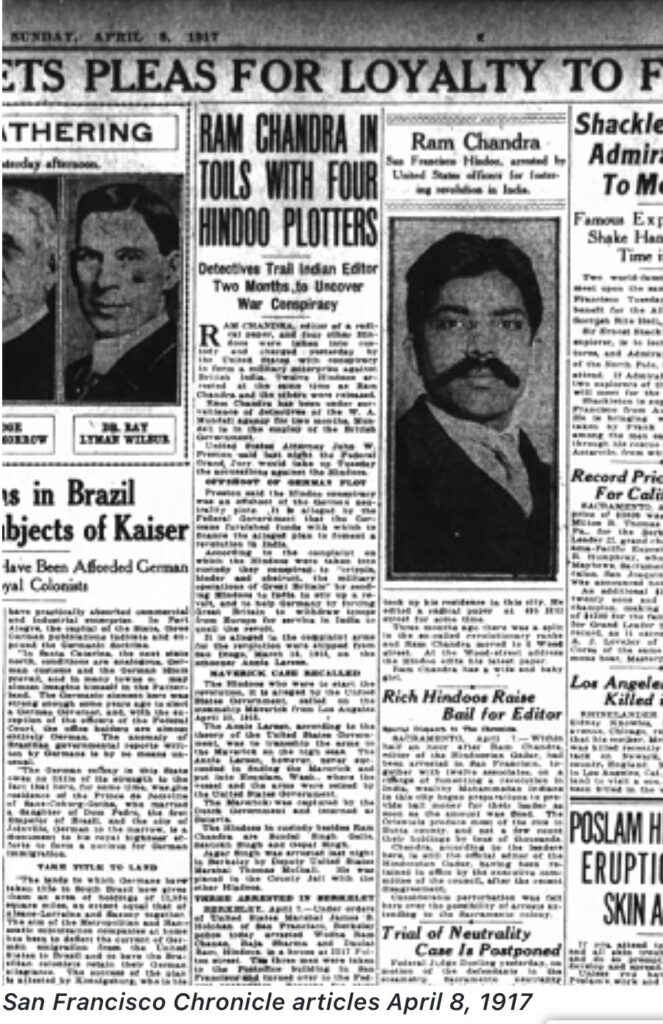
Padmavati came to San Francisco with her husband, Ram Chandra Bharadwaj, who ran the Gadar newspaper, a revolutionary press calling for the overthrow of the British Empire. Gadar means revolt. The Yugantar Ashram at 5 Wood Street was the movement’s headquarters, nestled in a residential neighborhood in the heart of San Francisco. Today it is the Gadar Memorial, managed by the Indian Consulate of San Francisco.
Imagine fleeing India because your husband spoke publicly against the colonists, then raising a young child and carrying another in rented quarters while revolutionaries plotted next door. Ink stains everywhere. Strangers in and out at all hours. And a husband who couldn’t, or perhaps wouldn’t, tell you everything.
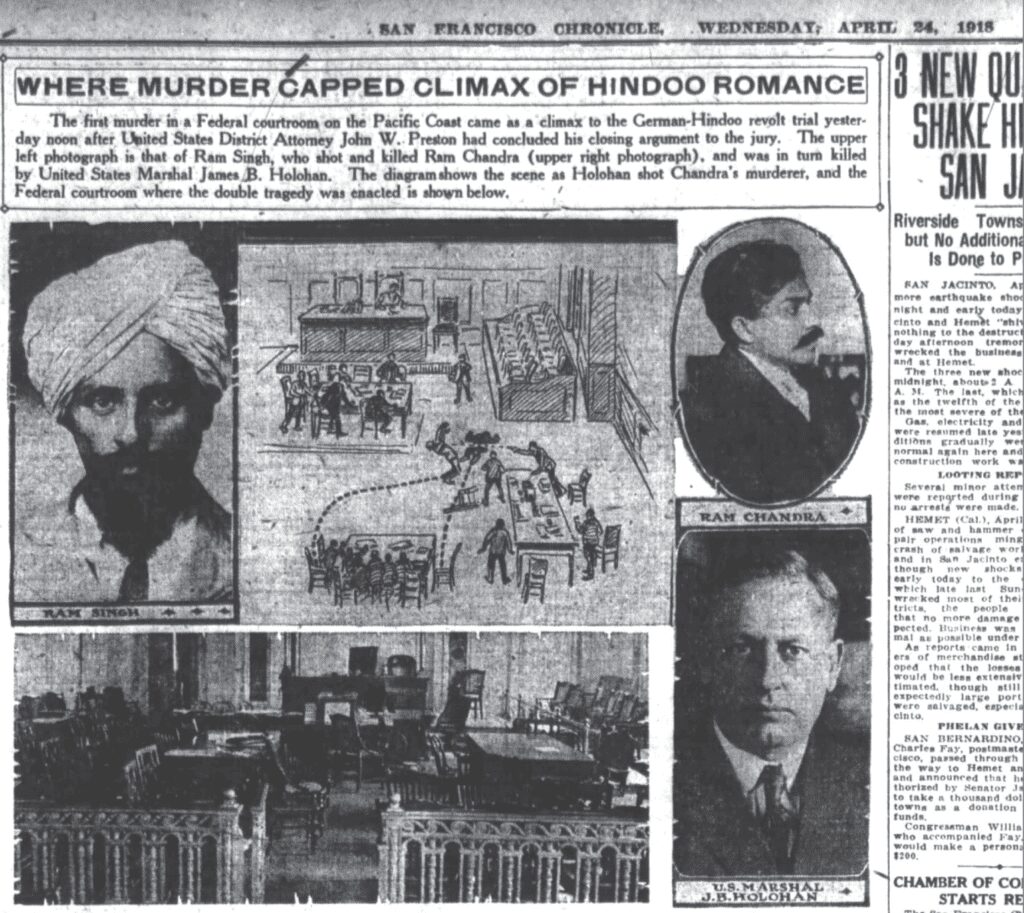
The Hindu-German Conspiracy Trial was the largest in U.S. history at that time, bigger than any mob trial, predating Watergate by decades. It has virtually disappeared from public memory. And the woman whose name was on the documents was never even called to the stand. On the last day of the trial, Ram Chandra was shot dead in the courtroom. Padmavati was now a widow, a mother of two, one of perhaps five Indian women in all of America, with no movement behind her, no community around her, and a name on documents that could still incriminate her. She had nowhere to go and no one coming for her.
Why We’re Making This Film
Padmavati’s story found me sideways. She started as a small reference to the Gadar movement in my historical fiction novel Vermilion Harvest, an interfaith love story set against the Jallianwala Bagh massacre. Then I went down the rabbit hole, searching desperately for a female voice in this very male history. I found my protagonist. Fragments at first: a set of tapes, a gap where a woman’s voice should have been.
As a South Asian writer, I grew up hearing about the Gadar movement the way you hear about a distant storm. The men who led it are remembered. The women who lived inside it are not. I pulled in my screenwriting partner, Candace Egan. She felt the same way.
Together, we wrote REVOLUTION’S WIFE, a historical drama told entirely through Padmavati’s eyes. Not as a symbol or a victim, but as a woman navigating loyalty, identity, and survival. The screenplay was a selection at the 2024 Atlanta Women’s Film Festival. Our Director of Photography is Anup Kulkarni, whose VFX credits include Life of Pi and Thor: The Dark World. We have a talented cast from Los Angeles, San Francisco, Houston, and Fresno, and a professional crew augmented by Fresno State students and graduates.
A few weeks ago, we pitched REVOLUTION’S WIFE at the Sundance Film Festival. The response was extraordinary: requests for the full-length screenplay followed. This short film is our proof of concept for that feature. With your support, we aim to take it through the festival circuit, secure a filmmaker deal, and bring to the screen a story that is quintessentially American, quintessentially Indian, and yet virtually unknown in either country. We need the diaspora community to champion this film alongside us, because anyone who has watched an immigrant woman disappear into her husband’s story will recognize Padmavati.
Why the Diaspora Should Care
This is a diaspora story. The Gadar movement was born here, on U.S. soil, built by immigrants who carried revolution in one hand and survival in the other. Their wives carried both too, and got credit for neither. A century later, the pattern is familiar. Immigrant women still arrive in this country tethered to a husband’s visa, a husband’s ambition, a husband’s story. The names change. The invisibility doesn’t.
REVOLUTION’S WIFE recovers one of those women. It does so through her eyes, because history erased Padmavati Chandra. This film brings her back.
How You Can Help
REVOLUTION’S WIFE shoots in the coming weeks in Fresno, California, at the historic Fresno Brewery Office building. Our GoFundMe campaign has a goal of $14,000, about 40% of what it costs to shoot this film. There is no studio behind us. There is no grant committee. There is only you, and the belief that some stories are too important to leave buried.
Every contributor, at every level, receives credit in the film. For those who give at higher levels, we offer Full Executive Producer credit, an opportunity to play a role in the film, and involvement in all publicity surrounding the project. Your name goes on this film alongside ours.
The math is simple: if 140 people give $100, we are funded. If 280 people give $50, we are funded. This is a community decision.
If you cannot donate, share this post. Forward it. Send the GoFundMe link to one person you think would care. Every share matters as much as every dollar.
Padmavati Chandra lived through a revolution that used her name without asking. Over a hundred years later, we are asking. Will you put your name on this one?
Links & Resources:
GoFundMe Campaign: https://www.gofundme.com/f/revolutions-wife-short-film
Campaign Video: https://www.youtube.com/watch?v=8eHnPTrbGYM
Atlanta Women’s Film Festival (2024 Selection): Revolution’s Wife screenplay