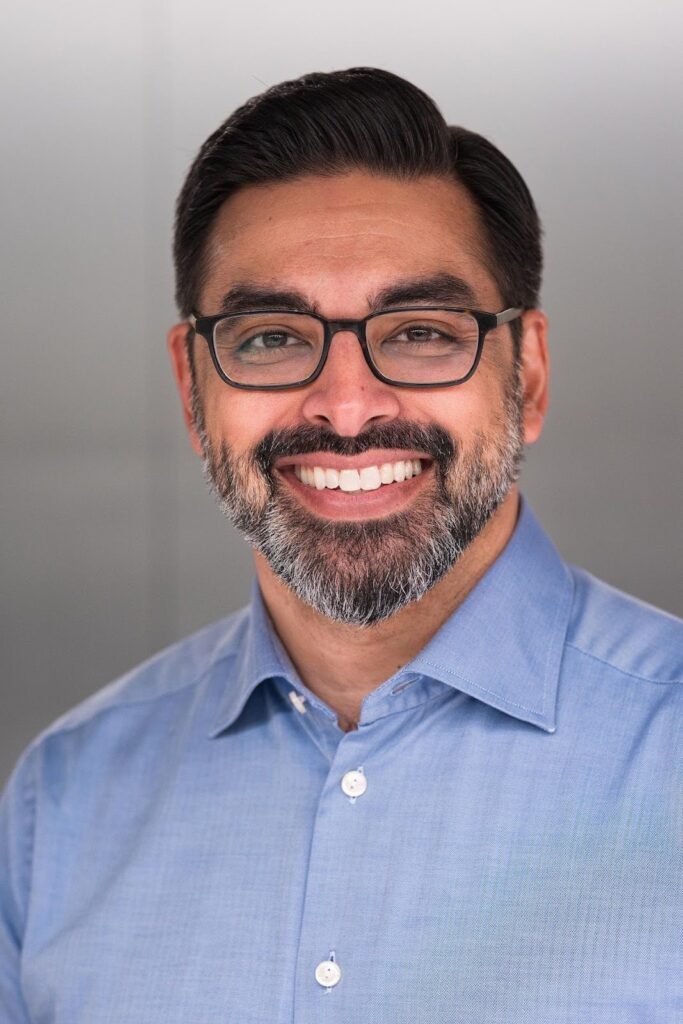

My journey in global health has taken me from India to sub-Saharan Africa, working on HIV programs with partners on the front lines of care. I have visited truck drivers at high risk of HIV to understand their challenges, and I have toured factory floors where lifesaving medicines are manufactured. These moments remind me that global health is present every day in people’s choices, risks, and also in the systems that protect or fail them. That belief is what drew me to the WHO Foundation.
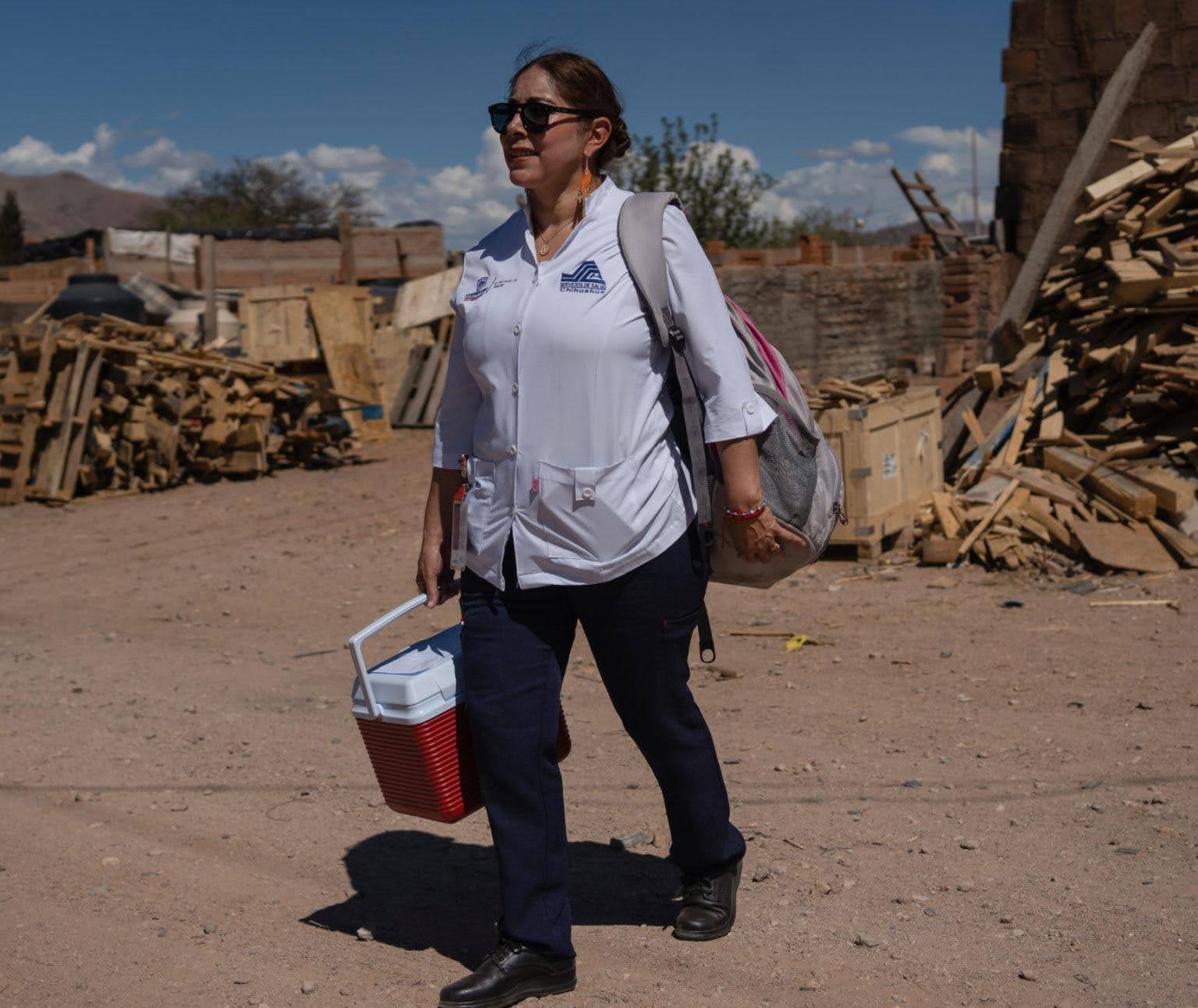
India’s health system is under growing strain. While the country continues to make progress, climate threats, shifting disease patterns, and rising demand are disrupting care. Heat, water scarcity, and disease often affect women and children first. These pressures are reshaping what it takes to deliver care in the world’s most populous nation. This is where WHO plays an essential role, and why the WHO Foundation supports this work on the ground.
The World Health Organization (WHO) is the United Nations’ global health agency. It works in more than 150 countries to stop disease and respond to emergencies. Its team includes over 8,000 experts—doctors, scientists, and emergency responders—who help track outbreaks, forecast vaccines, and coordinate responses. Often invisible, WHO’s work underpins the health systems we all depend on every day.
WHO plans to save 40 million lives by 2028 in its General Program of Work which ranges from support for vaccinating children against preventable disease, responding to health emergencies, training and recruiting health workers and its ongoing leadership to keep the world safe from diseases that threaten to cross borders every single day.
India has long been central to global health progress. From maternal care to infectious disease control, India’s health systems often serve as models for others around the world. WHO India has partnered with Indian institutions for decades. That collaboration includes:
- Delivering vaccines by motorbike to children in remote parts of Bihar
- Supporting immunization campaigns during the Kumbh Mela in Uttar Pradesh, one of the largest mass gatherings in the world
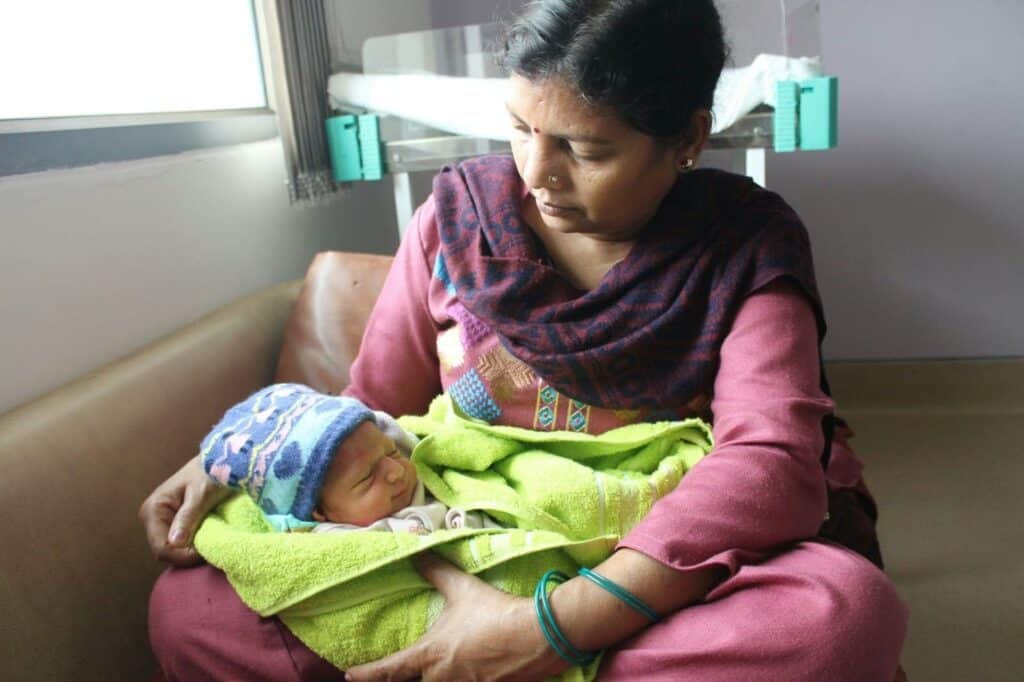
- Ensuring safe births in community facilities like the one in North East Delhi
These systems succeed quietly and consistently—until resources fall short.
India’s public health landscape is changing. Noncommunicable diseases like diabetes and heart disease, now account for nearly two-thirds of all deaths. Mental health conditions affect one in seven people, with young people particularly underserved. Meanwhile, climate change is driving new risks like extreme heat, poor air quality, and disease migration.
These urgent needs depend on predictable international support. But today, global health funding is under pressure. The recent U.S. withdrawal from WHO has left a major gap, halting a $500 million annual contribution and limiting coordination with U.S. agencies. WHO responded with swift cost-saving measures, but core programs remain at risk.
The WHO Foundation is helping evolve the global funding model from crisis response to long-term investment. We call this catalytic philanthropy: strategic giving that builds lasting infrastructure and systems.One urgent example is the Global Measles and Rubella Laboratory Network (GMRLN). This network includes nearly 800 labs, many in India, that provide the early warning system for disease detection. As measles cases rise globally, GMRLN is more vital than ever.
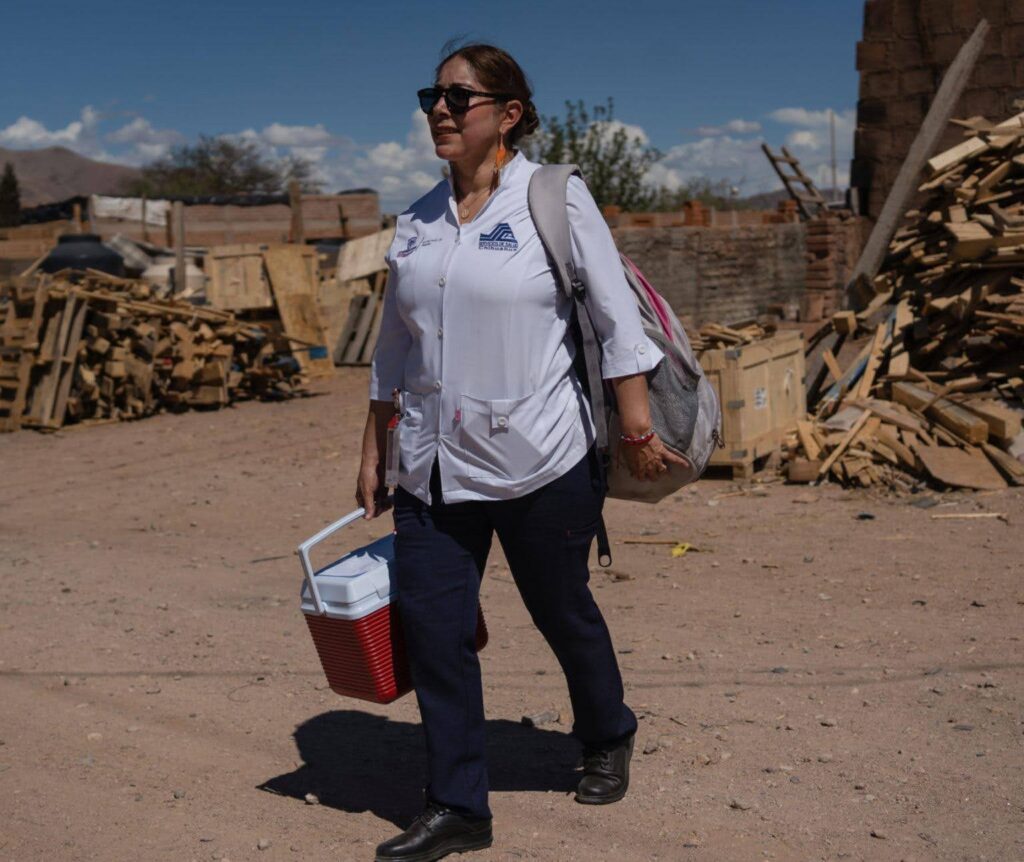
To support this work, the ELMA Foundation Vaccines and Immunization for has pledged a $2 million match to inspire others to give. Every contribution helps double the impact, sustaining this global public good.
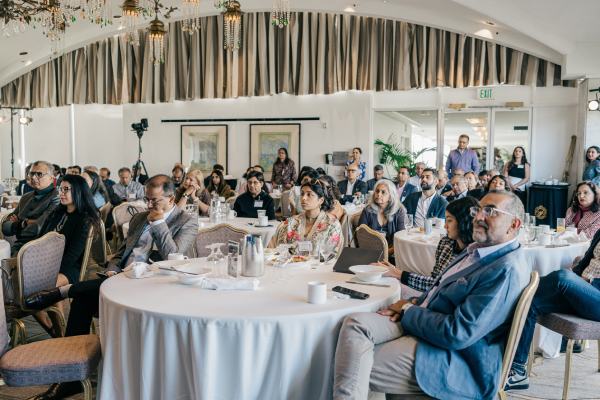
Indiaspora has already shown how collective leadership can meet urgent needs. During the pandemic, it helped mobilize over $15 million in COVID-19 relief and continues to inspire Indian-origin leaders to turn success into global good.
While Indiaspora does not directly fund organizations, its ability to convene changemakers is unmatched. As we look toward the future, this moment calls not just for short-term generosity, but for long-term solidarity.
At the WHO Foundation, we believe that health is everyone’s responsibility. Together, we can support frontline workers, protect systems under stress, and help communities not only survive the heat—but rise above it.