Clean energy has been a defining theme throughout my professional life, especially through my work at KPIT on intelligent and sustainable mobility. Mobility interested me because it sits at the intersection of technology, human aspiration and the future we choose to build. Mobility has to be green because the current mobility creates significant ecological problems. Over time, however, a deeper question began to stay with me: Could India’s clean energy transition be not only technologically advanced, but also rooted in our land and people?
Hydrogen entered that thinking early. Batteries alone cannot support long-distance mobility; the weight penalty makes it impractical. Hydrogen offers a cleaner, lighter alternative. Yet green hydrogen produced through electrolysis, while elegant, presents real challenges for India: intermittent renewable power, heavy storage requirements and high capital intensity. It is green, but difficult to make affordable and accessible at scale.
My thinking shifted when I began asking a different question: What if hydrogen could be grown instead of manufactured?
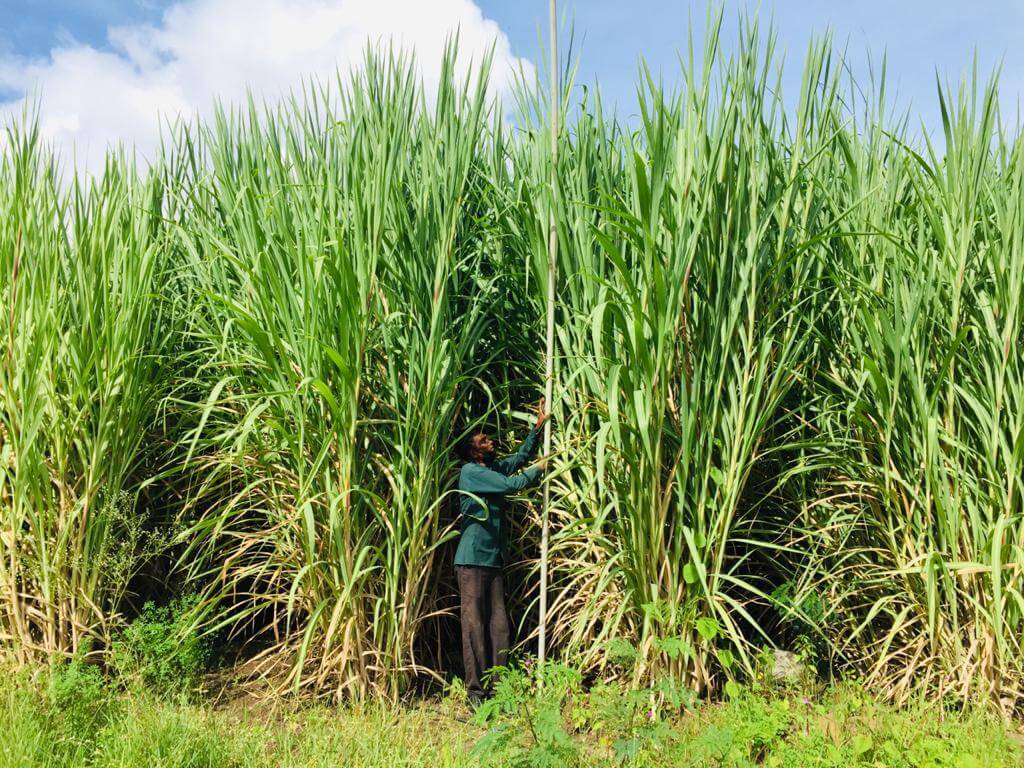
India has 97 million hectares of degraded land. If even a fraction of this land could support high-yield energy crops like Energy Cane that does not compete with food, we could generate year-round biomass. That biomass could be converted into Bio-H2 and Bio-Coal, creating a clean energy value chain that is indigenous, scalable and rural-first. Hydrogen would not be an imported solution then.
This idea became the foundation of HRIDAY Energy Network (Hydrogen Revolution for India’s Development of Agriculture and Energy) which is a Section-8 not-for-profit working to build an ecosystem with goal to displace diesel in mobility and fossil coal in industries.
Our early work demonstrates what such a model can deliver. A 1,000-acre bioenergy cluster can bring over 1,200 acres under year-round cultivation, create 200+ acres of permanent green cover, generate 43 lakh litres of annual bioenergy, produce 4.3 tons of green hydrogen per day, or supply briquettes equivalent to 25–30 MW of power, while supporting 150+ rural jobs and providing farmers with stable annual incomes.
But HRIDAY is not only about energy outcomes. It brings together two passions that have shaped my journey: clean energy and livelihoods. Over the years, I have seen that climate action has meaning only when it strengthens the people who live closest to the land. HRIDAY was therefore conceived as a livelihood program powered by hydrogen.
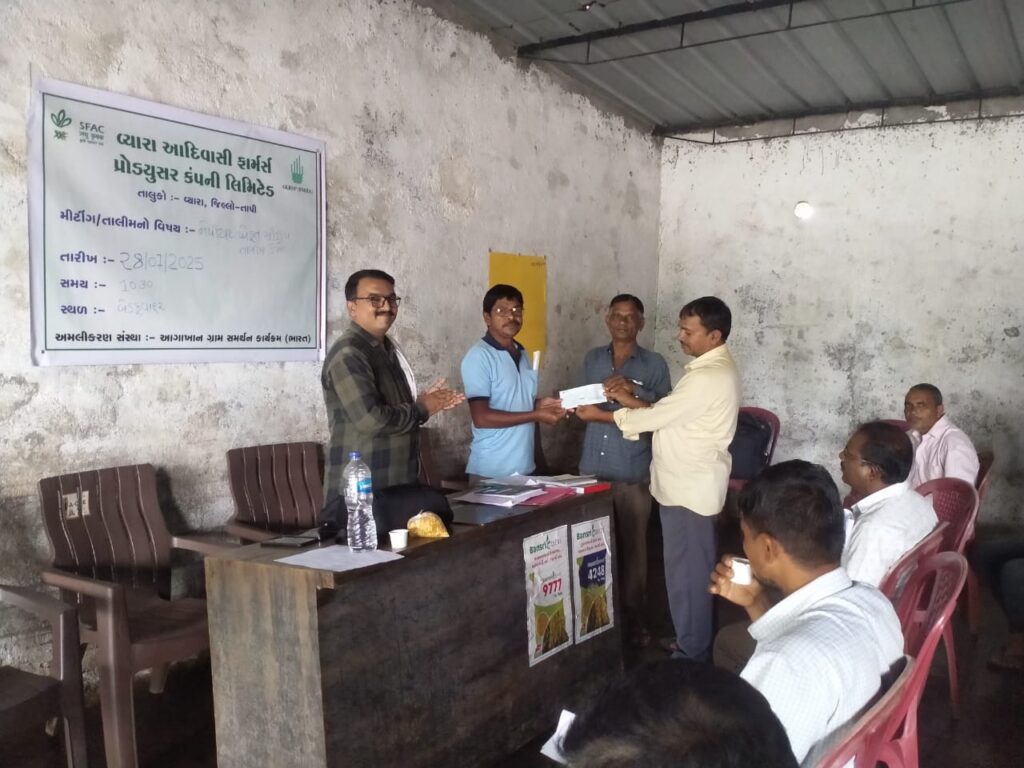
This belief has taken shape through partnerships that anchor the work on the ground. In Vyara, Gujarat, we work with small and marginal farmers through the Vyara Adivasi Farmers Producer Company, supported by the Aga Khan Rural Support Programme, one of India’s most respected NGOs on who’s board I sit. The land remains with the farmers; HRIDAY enables cultivation, aggregation and assured offtake. In Somnath, Maharashtra, Maharogi Sewa Samiti (MSS), another well regarded NGO has been a key partner in restoring land and initiating biomass cultivation across hundreds of acres with the help of local community.
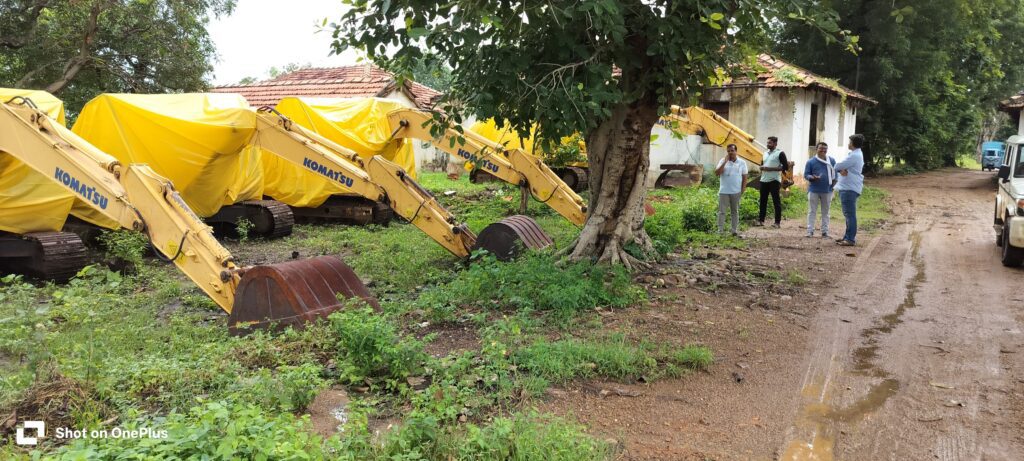
We also benefited from support we had not fully anticipated, but deeply value. Working with the Sugarcane Breeding Institute (SBI), Coimbatore, we identified energy cane as a crop that delivers very high biomass yields with relatively low water use, and SBI supported our early trials by providing high-quality energy-cane seed material. In Maharashtra, the Deshpande Foundation stepped in with essential equipment that helped local communities.
For technology development, collaboration with the Agharkar Research Institute has helped refine processing pathways. At both Vyara and Somnath, the Thermax Foundation has extended CSR support, strengthening farmer networks and accelerating cluster development.
Mash Makes further contributed by providing biochar, supporting soil improvement efforts at the pilot sites. Industry validation has been equally important. Thermax is piloting our briquettes in one of its power plants, demonstrating the readiness of biomass fuels for industrial use. At KPIT, our own land has become a modest but meaningful test bed, experimenting with different biomass products.
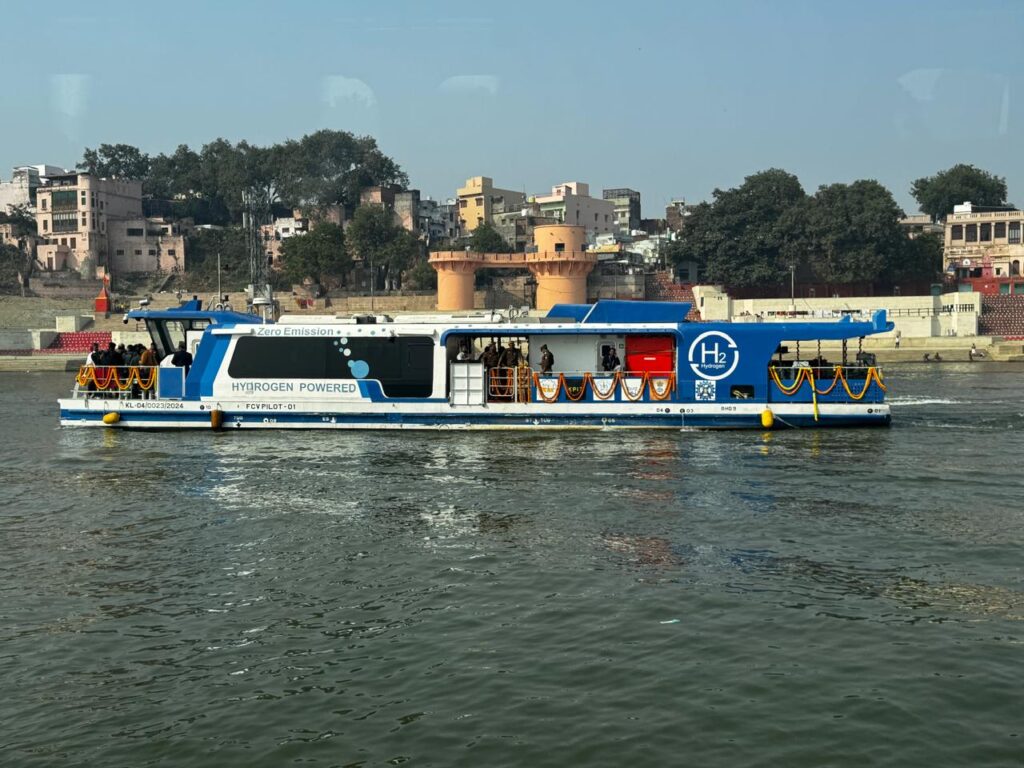
Together, these experiences reinforce my conviction that India can build a clean energy model. As Chairman, I have spent decades building technology systems that scale. With HRIDAY, I am learning to build ecosystems that sustain. It is slower work and humbler work, but it is work that endures because
it is anchored in people and place.
What gives me hope is the growing number of individuals and institutions across rural communities, industry, philanthropy and academia who want to engage with this journey. The Indian diaspora has long shaped global conversations on innovation and development. My invitation is simple: let us work together to build a clean energy future that heals land, strengthens livelihoods, gives our country energy security in a fractious world and brings dignity to the heart of the climate transition.
None of us can do this alone. But together, we can create impact that is measurable, meaningful and deeply nourishing. To partner with us in this endeavor, write to us at contact@hridayenergynetwork.org

Written by Ravi Pandit, Founder of HRIDAY Energy Network and Chairman & Co-Founder of KPIT Technologies Ltd.